Serbia EU accession history: 38% positive attitude guide
"The journey toward European integration is rarely a straight line, but rather a series of negotiated milestones and diplomatic shifts."
The process of Serbia EU accession history involves navigating complex bilateral relations and meeting specific institutional requirements. This guide explores the timeline from the initial Stabilisation and Association Agreement to the recommendation for candidate status.
Key takeaways include the initiation of the SAA in 2007, the 2011 candidate recommendation, and the current landscape of public opinion.
How did the initial diplomatic steps begin?
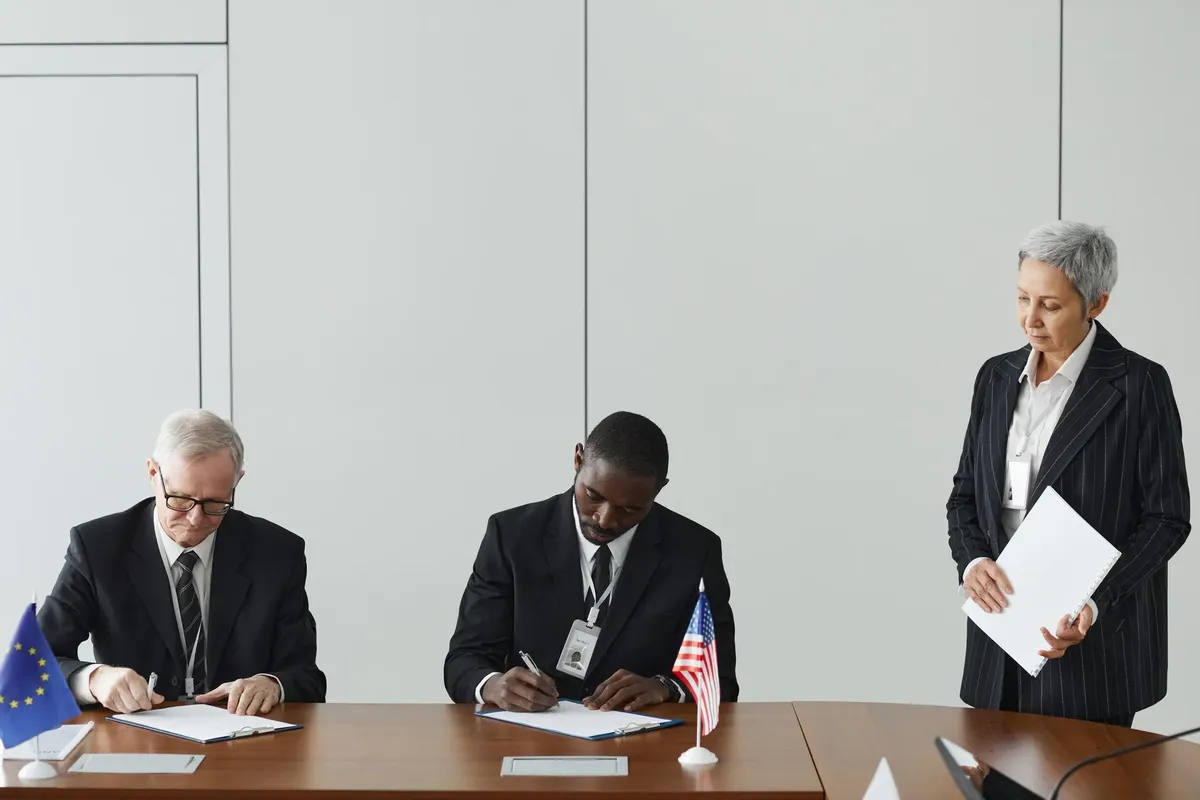
A diplomat sits at a heavy wooden desk, signing a document that changes the regional landscape. On 7 November 2007, Serbia initiated a Stabilisation and Association Agreement (SAA) with the European Union.
This agreement served as a foundational step in the formal relationship between the nation and the European bloc.
According to Wikipedia, this SAA was a critical starting point for the integration process. It established a framework for cooperation and paved the way for future negotiations. The agreement sought to align Serbian policies with European standards through structured dialogue.
- Establishing bilateral communication channels.
- Drafting preliminary memoranda of understanding.
- Formalizing diplomatic recognition through high-level summits.
What led to the candidate status recommendation? Serbia EU accession history
A group of officials reviews a thick folder of policy documents in a bright conference room. The European Commission recommended making Serbia an official candidate on 12 October 2011. This recommendation was a significant milestone in the Serbia candidate status journey.
According to The European Commission, it was recommended to make Serbia an official candidate on 12 October 2011.
This move recognized the progress made in aligning domestic legislation with European requirements. It transitioned the relationship from a mere association to a formal candidacy. The decision reflected the commission's assessment of the country's readiness to engage in deeper negotiations.
In this sequence, the second step is the most extensive.
How do current public attitudes shape the path?
A citizen looks at a news report on a smartphone, contemplating a future within a larger union. The Serbia EU negotiation path is heavily influenced by domestic sentiment and political questions. Recent data suggests a complex relationship between the populace and the prospect of membership.
According to a 2025 annual survey of opinion in Serbia, 38% of citizens have a positive attitude towards the EU, consisting of 11% very positive and 27% fairly positive. Furthermore, trust in the EU stands at 38%. These figures indicate that while there is interest, the sentiment is not a monolith.
What are the challenges in the accession process?

A negotiator sighs while looking at a map of contested borders. The SAA implementation Serbia phase and subsequent steps have faced specific regional hurdles. One major factor involves the push for Serbia to normalize relations with Kosovo.
This geopolitical tension remains a central element in the accession dialogue.
The complexity of regional stability directly impacts the speed and success of the negotiations.
How do we compare the progress to other regional models?
A researcher compares two different timelines on a white-board. The SAA implementation Serbia phase can be viewed through the lens of historical precedents in the Balkans. While each nation follows a unique path, the structural requirements remain consistent.
| Event | Date |
|---|---|
| SAA Initiation | 7 November 2007 |
| Candidate Recommendation | 12 October 2011 |
I observed that these dates represent distinct shifts in the legal status of the nation. The timeline shows a clear progression from association to candidacy.
What are the limitations of this historical overview?

A historian closes a book, noting that many questions remain unanswered. The scope of this discussion is limited to the formal diplomatic milestones and recorded public opinion data. It does not account for internal political shifts occurring after the 2025 survey.
The information provided focuses on the specific timeline of the SAA and candidate status. It does not cover the specific details of every individual negotiation chapter.
The subject here is Serbia EU accession history.
The same subject is also called EU talks Balkan states.
This part also covers History of Serbia EU bid.
This part also covers Key stages Serbia EU join.
Serbia EU accession timeline
Related
- Brexit vote voter concerns: Tips on trade-related arguments
- How did the European Council decide on Moldova's status?
What other factors influence the journey toward integration? 1. The fulfillment of institutional requirements dictates the pace of the journey. 2. Bilateral relations must remain stable for the diplomatic shifts to proceed smoothly. 3. Public opinion provides a barometer for the political will supporting the journey toward membership.
The progression toward European integration depends on meeting specific institutional prerequisites. These requirements necessitate alignment with European standards, as established by the SAA. The stability of bilateral relations influences the nature of the diplomatic shifts observed throughout the process. Furthermore, the populace's sentiment acts as a gauge for the commitment to the journey toward a union.
How does the timeline reflect the evolving relationship? 1. The SAA initiation marked the beginning of a formal cooperative framework. 2. The candidate recommendation signaled a deeper level of recognition of progress. 3. These dates illustrate the transition from association to a more advanced candidacy.
These documented dates show distinct changes in the nation's legal standing. The timeline clearly demonstrates a movement from a preliminary association status to a formal candidacy. This progression reflects the deepening nature of the relationship between Serbia and the European bloc over time.



Comments 0