Western Balkans EU expansion: Why review policy
"The integration of the Western Balkans was established as a priority of EU expansion during the 2003 European Council summit in Thessaloniki."
The European Union expansion policy focuses on integrating candidate nations through structured diplomatic and administrative frameworks. This process involves specific regional priorities, such as the Western Balkans, and requires meeting rigorous criteria through regular progress assessments.

Key takeaways include the historical context of regional integration, the specific administrative roles of the European Commission, and the specialized processes used to manage candidate countries.
How was the Western Balkans priority established?
A diplomat sits at a wooden table in Thessaloniki, reviewing documents that will shape the future of European borders. The 2003 European Council summit in Thessaloniki set integration of the Western Balkans as a priority of EU expansion. This decision established a long-term focus on the region.
The European Union expansion policy seeks to stabilize and integrate various regions through formal summits and diplomatic agreements. According to Wikipedia, the 2003 European Council summit in Thessaloniki set integration of the Western Balkans as a priority of EU expansion.
This specific focus paved the way for later strategic planning.
The EU Balkan accession path has been shaped by decades of high-level summits. These meetings determine which regions receive priority status. The goal is to ensure regional stability through membership.
What was the 2018 expansion plan? EU expansion Western Balkans
Inside a cold Brussels office, an official grips a thick folder containing the western expansion plan as the morning light hits the desk.
An official in Brussels opens a folder containing a comprehensive strategy for regional growth. On 6 February 2018, the European Commission published its expansion plan, which covers the six Western Balkan countries. This plan provided a roadmap for the specific group of nations.
The Western Balkans EU entry involves navigating complex political landscapes. The European Commission released a plan in 2018 targeting six specific countries. This document serves as a guide for regional integration.

The EU growth in Balkans has been a recurring theme in European diplomacy. Different waves of enlargement have addressed various regional needs. The 2018 plan specifically addressed the six Western Balkan nations.
How do negotiations and oversight work?
A negotiator sits across from a counterpart, discussing the technicalities of treaty alignment.
This distinction separates administrative oversight from direct diplomatic dialogue.
The Balkans EU candidate status involves a dual-layered process. While the European Commission maintains oversight, the Member States engage in direct negotiations. This ensures that both administrative standards and political realities are addressed.
The European Commission maintains oversight through specialized departments. The Enlargement Commissioner and DG Enlargement play vital roles in presiding over these steps. This structure maintains a balance between institutional guidance and sovereign negotiation.
What is the Stabilisation and Association Process?
A specialized team reviews a report regarding regional stability and institutional reform. In the case of the Western Balkans, a special process, the Stabilisation and Association Process exists to deal with the special circumstances there. This process addresses the unique challenges of the region.
The Western Balkans EU entry process is distinct due to this specialized framework. The Stabilisation and Association Process was designed to manage specific regional circumstances. It provides a tailored approach to integration.

The move to an Enlargement directorate was a consequence of the advancement of the Stabilisation and Association process. This shift reflects the growing complexity of regional integration. The process ensures that specific regional needs are met.
How is progress assessed?
A commission member reads a thick annual report to determine if a country is ready for the next step. To assess progress achieved by countries in preparing for accession to the European Union, the European Commission submits regular reports to the European Council.
These reports are submitted yearly.
The EU Balkan accession path relies heavily on these regular assessments. The European Commission submits these reports to the European Council to track progress. This ensures that candidate countries remain on track with required reforms.
The assessment process is a continuous cycle of reporting and review. The European Commission provides these updates to the European Council. This maintains accountability throughout the accession journey.
What are the historical precedents for enlargement?
A historian looks at a map showing the expanded borders of the European Union.
As a result of diplomatic interventions by the central European states of the Visegrád Group, the European Council decided at its Copenhagen summit in June 1993 that associate member states from Central and Eastern Europe could become members if they wished.
This decision opened doors for many nations.
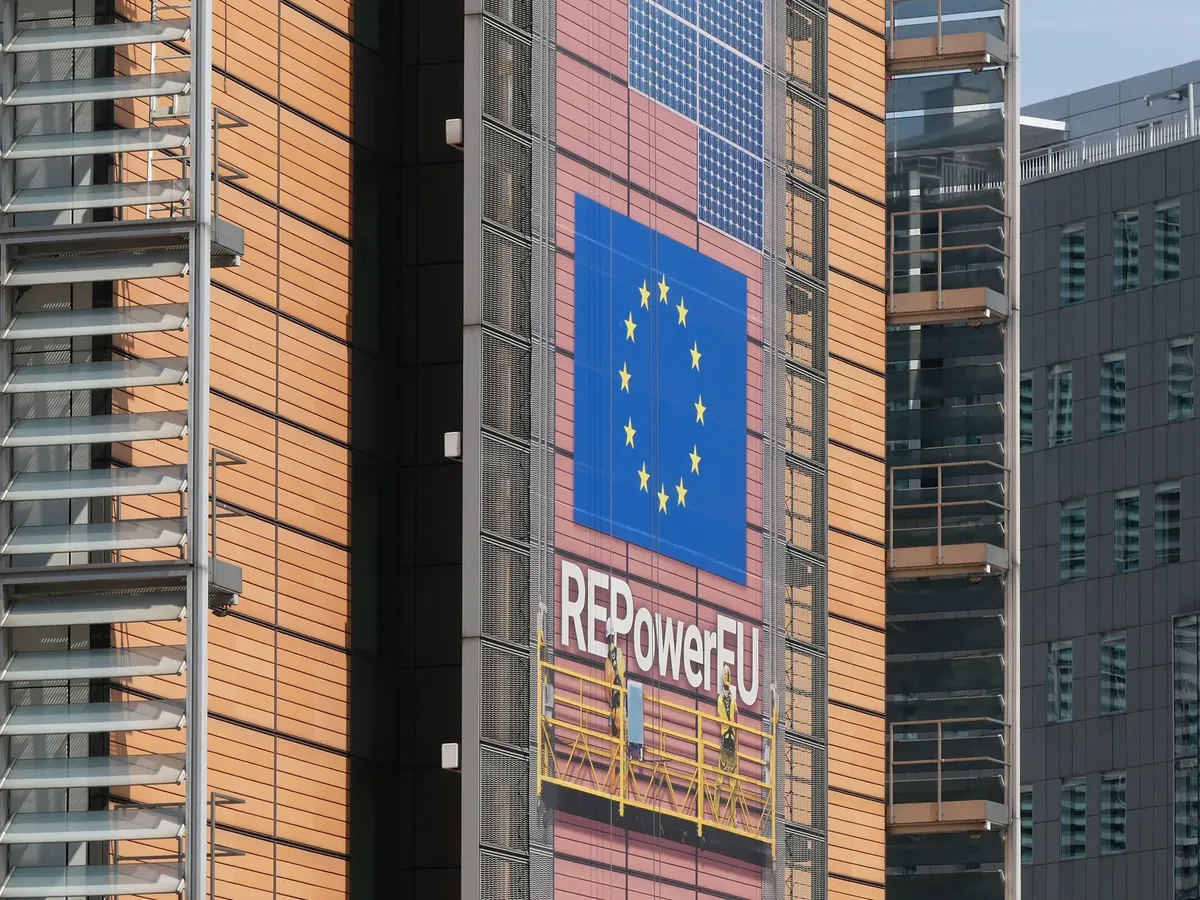
The history of enlargement shows a pattern of regional diplomatic shifts. For example, the accession of Bulgaria and Romania in 2007 was part of a wave that followed their inability to join in 2004. According to the European Commission, these nations constitute part of the fifth enlargement.
The expansion of the Union has always been subject to political and diplomatic shifts. Different waves of enlargement have responded to the changing landscape of Europe. These historical precedents inform current strategies.
- How was the Western Balkans priority established?
- What was the 2018 expansion plan?
- How do negotiations and oversight work?
The subject here is EU expansion Western Balkans.
This part also covers EU expansion policy review.
This part also covers Kosovo EU membership outlook.
This part also covers Future of Balkan EU joining.
EU expansion policy review
Related








Comments 0