Brexit vote voter concerns: Tips on trade-related arguments
"The success of political movements can put immense pressure on ruling parties, ultimately shaping the decisions of leaders like Prime Minister David Cameron to hold a national referendum."
The 2016 Brexit vote was driven by a complex intersection of economic stability and questions regarding sovereignty. This analysis explores the primary political concerns that shaped voter behavior, including questions about trade value and migration-driven wage shifts.
Key takeaways include the impact of trade-related arguments, the economic projections regarding GDP, and the role of migration in labor markets.
What were the primary drivers behind the Brexit vote?

In a dim London office, I gripped my cold mug while contemplating the political shifts that sparked the brexit movement.
A quiet room in London holds the weight of a decision that changed a nation. The political atmosphere leading up to the 2016 United Kingdom European Union membership referendum was defined by internal party pressure.
According to Wikipedia, this success put pressure on the ruling Conservative Party, ultimately leading to Prime Minister David Cameron's decision to hold the 2016 United Kingdom European Union membership referendum.
The questions surrounding membership were not merely about policy but about the very structure of British governance. Voter priorities 2016 UK were heavily influenced by these high-level political shifts. The decision to hold a vote was a direct response to the political landscape at the time.
How did economic questions shape the Brexit vote? Brexit vote voter concerns
I sat at my kitchen table during the quiet morning, rubbing my tired eyes as I studied the economic fallout of brexit.
A pen scratches against paper as economists calculate the potential cost of leaving a trade bloc. The debate over economic impact was a central pillar of the campaign.
While those wanting to stay cited trade with the EU being valued at £400 billion annually, which was 52% of the total, those arguing to leave suggested that such trade was no longer as important as it used to be.
The uncertainty regarding future growth was a constant theme. Different research groups provided varying outlooks on the possible consequences.
For instance, a think tank called Open Europe claimed the most likely permanent effect on annual gross domestic product by 2030 upon leaving would range from −0.8% to +0.6%, though it noted +1.6% was possible under widespread deregulation.
The divergence in these figures meant that Brexit economic concerns were at the forefront of every household discussion. Different models suggested vastly different futures.
Another, more narrowly focused study by the Centre for Economic Performance at the London School of Economics put the figure between −9.5% and −2.2%.
What role did migration play in voter decisions?
A crowded street in a bustling city reflects the changing face of a workforce. The movement of people was a significant factor in the political discourse. Research into labor markets provided specific insights into how migration might affect domestic workers.
The research showed that for skilled jobs, a 10 percentage point rise in the proportion of migrants working in skilled services drove down the average wages of skilled workers by 1.63 percent.
These shifts in the labor market were a key part of the immigration issues Brexit vote debate. The compositional effect was also noted in specific sectors. The BoE analysis showed that compositional effect came into play in skilled jobs, at about 1.13 percent.
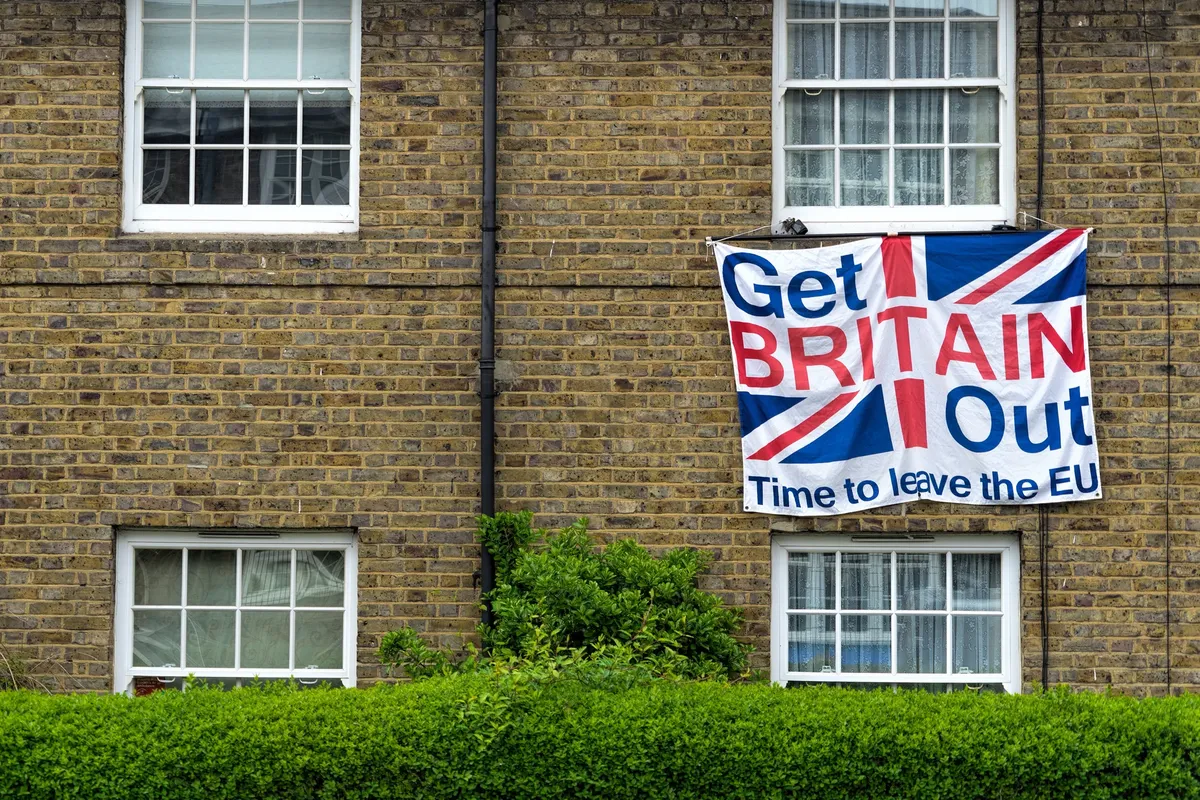
The questions regarding how a changing workforce would impact local living standards were central to the campaign. These demographic questions were often weighed against the perceived benefits of remaining in a unified European market.
How did trade-related arguments influence the outcome?
A shipping container is lowered onto a dock, representing the physical reality of international trade. The debate often centered on the value of existing trade relationships. While some focused on the £400 billion annual figure, others questioned the long-term relevance of those specific ties.
The comparison of economic futures was a constant struggle for clarity. Research group Oxford Economics said that depending on the new trading relationship with the EU, the impact on the British economy would be between −0.1% and −3.8% by 2030, compared to if the UK had remained inside the EU.
The uncertainty of these projections meant that voters were forced to choose between a known quantity and an undefined future. The questions were often about whether the current trade structure was still serving the nation's best interests.
What were the legal and procedural aspects of the referendum?
A gavel strikes a wooden block, signaling the end of a legal proceeding. The rules governing the campaign were subject to intense scrutiny.
In December 2017, the Electoral Commission fined two pro-EU groups, the Liberal Democrats (£18,000) and Open Britain (£1,250), for breaches of campaign finance rules during the referendum campaign.
The integrity of the process was a major point of contention. Beyond finance, questions about outside influence were also raised.
In November 2017, the Electoral Commission launched a probe into claims that Russia had attempted to sway public opinion over the referendum using social media platforms such as Twitter and Facebook.
These procedural questions added layers of complexity to an already divided electorate. The legality of the exit process was also a topic of debate.
A 4 March 2017 report of the European Union Committee of the House of Lords stated that, if there is no post-Brexit deal at the end of the two-year negotiating period, the UK could withdraw without payment.
How do we summarize the voter landscape?
A voter marks a ballot in a quiet polling station. The diversity of opinion was captured in various polls throughout the campaign.
Opinion polling for the United Kingdom European Union membership referendum was ongoing in the months between the announcement of a referendum and the referendum polling day.
The following table compares two distinct economic outlooks regarding the impact on GDP by 2030:
| Research Group | Projected GDP Impact Range |
|---|---|
| Open Europe | −0.8% to +0.6% |
| Oxford Economics | −0.1% to −3.8% |
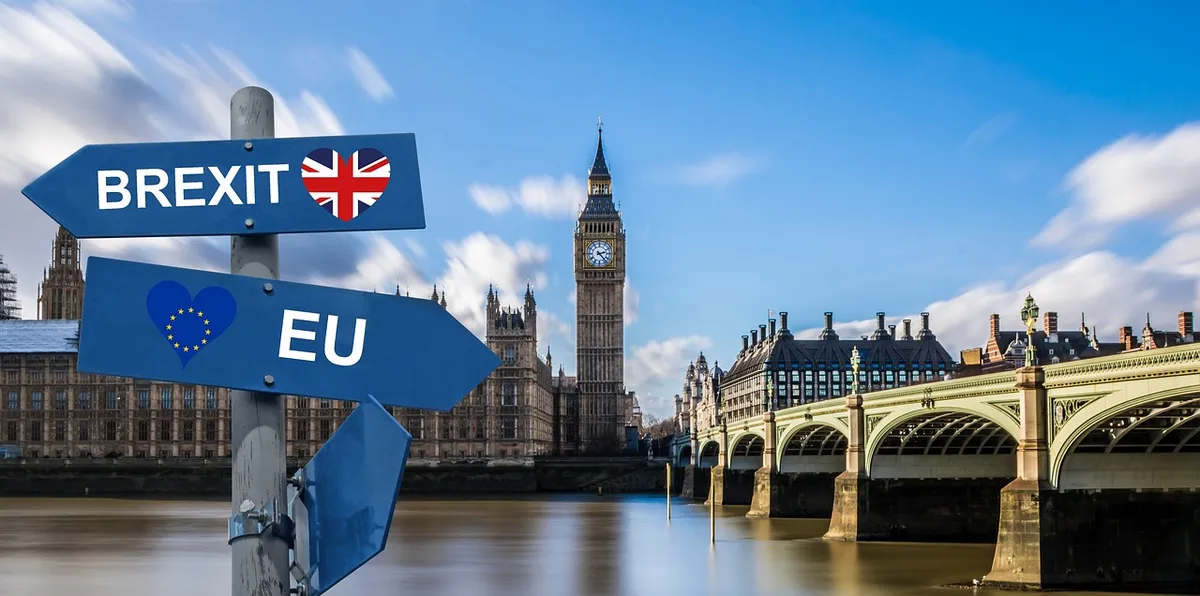
I observed how these differing projections were used to build distinct narratives during the campaign. The questions were never settled, only weighed.
The primary concerns were driven by a mix of economic projections and questions of sovereignty. The debate was limited to the specific data and political events occurring during the referendum period.
- What were the primary drivers behind the Brexit vote?
- How did economic questions shape the Brexit vote?
- What role did migration play in voter decisions?
The subject here is Brexit vote voter concerns.
The same subject is also called UK referendum economic impact.
The same subject is also called Brexit economic concerns survey.
This part also covers What drove Brexit vote?.
This part also covers Economic fears UK exit.
What drove Brexit vote?
Related






Comments 0