EU digital euro debate: How to guide best for euro debate
The debate over a digital euro involves political discussions regarding the future of the European monetary system and its transition into digital formats. This discussion targets policymakers and citizens concerned with how digital assets might interact with existing currency structures, the potential impact on banking, and the preservation of monetary stability.
The current debate centers on whether a digital version of the euro should be formally implemented to supplement physical cash. Key takeaways include: * The historical foundation of the euro rests on decisions made by The European Council regarding a single currency.
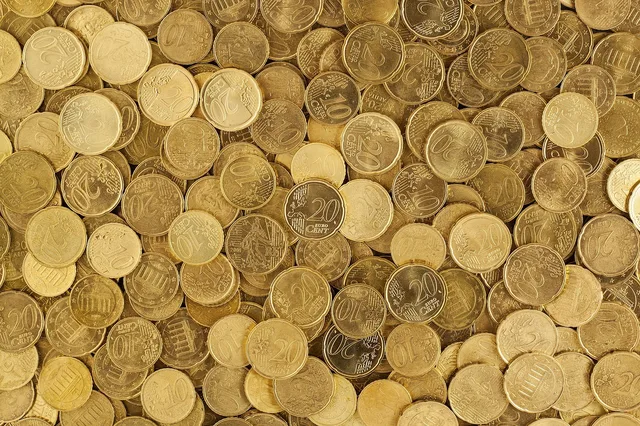
* Existing physical denominations range from 1c coins to €500 banknotes. * The European Central Bank currently manages a specific portion of the banknote value within the Eurosystem. * The implementation process must address how digital currency integrates with current exchange rate stabilities.
How did the euro become a single currency? A group of leaders sits around a polished wooden table in Madrid, reviewing documents that define the economic landscape of a continent.
The European Council made key decisions regarding the single currency.
The European Council, meeting in Madrid on 15 and 16 December 1995, took decisions on employment, the single currency, the Intergovernmental Conference and enlargement to bring in countries of Central and Eastern Europe and the Mediterranean.
The decisions made during that summit established the framework for what is now a unified monetary zone.
According to europarl.europa.eu, the European Council decided to name the currency, to be used from 1 January 1999, the "Euro." This decision set the stage for all subsequent discussions regarding monetary innovation.
The rep of the EU digital euro debate is deeply rooted in these historical precedents. Understanding how the single currency was established helps clarify why modern digital transitions are met with such rigorous scrutiny.
I find that the second stage of this history is the most extensive.
How does the current euro system function with physical cash? EU digital euro debate
At noon, the merchant felt the cold weight of coins while considering the shift toward a digital system.
A merchant counts out small metal discs and paper notes, feeling the texture of the paper and the weight of the coins. The physical currency remains a cornerstone of daily transactions across the eurozone.
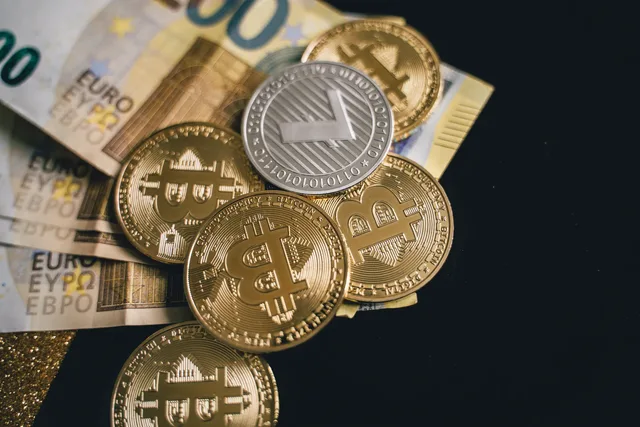
The existing system relies on a variety of denominations to facilitate trade. The coins are issued in denominations of €2, €1, 50c, 20c, 10c, 5c, 2c, and 1c. For larger transactions, notes are issued in €500, €200, €100, €50, €20, €10, and €5.
The ECB issues 8% of the total value of banknotes issued by the Eurosystem. This specific distribution of responsibility ensures that the central bank maintains a role in the liquidity of the broader system.
This physical reality is the baseline against which any digital euro policy news must be measured.
What do the symbols on the euro mean? An artist sketches the curves of a symbol, ensuring the lines represent both a letter and a concept of strength. The visual identity of the currency is not merely aesthetic but carries specific political and economic meaning.
The symbol € is based on the Greek letter epsilon (ε), with the first letter in the word "Europe" and with 2 parallel lines signifying stability. This design was not accidental; it was intended to convey the permanence of the monetary union.
The European Commission also specified a euro logo with exact proportions.
Earlier in the currency's development, the President of the European Commission at the time (Jacques Santer) and the European Commissioner with responsibility for the euro (Yves-Thibault de Silguy) then chose the winning design.
This history of intentional design influences the EU digital currency debate today.
How would a digital euro affect the EU financial system reform?
A technician monitors a screen displaying rapid data streams, contemplating how a digital ledger might replace or augment physical movement. The transition to a digital format necessitates a complete look at how money moves through electronic channels.
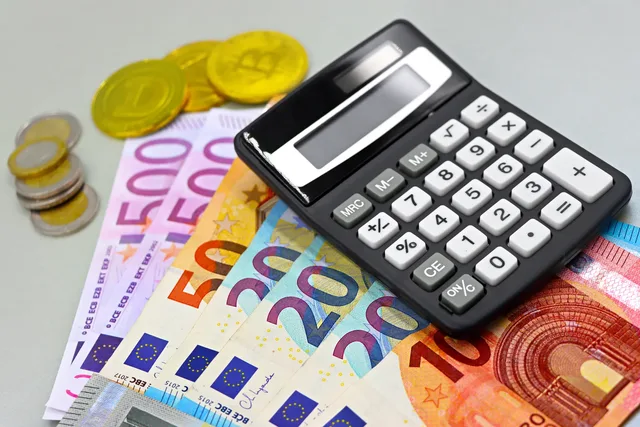
The discussion regarding the impact on EU banking is central to the conversation. Moving toward a digital euro involves assessing how private banks will interact with a centralized digital asset. This is a core component of any potential EU financial system reform.
The digital euro implementation would need to maintain the stability that the current symbol represents. Policymakers are examining how a digital version can exist without disrupting the established exchange rate stabilities that currently link the euro to various other currencies.
What are the steps to evaluate a new currency implementation?
A committee reviews a thick binder of regulatory requirements, checking off each necessary component of a monetary rollout. Implementing a new form of currency, whether physical or digital, requires a structured approach to ensure economic continuity.
To evaluate the feasibility of a new digital currency, follow these steps: 1. Analyze the existing distribution of banknote values to ensure liquidity is not compromised. 2. Review the historical design and symbolic stability of the current currency to maintain public trust. 3.
Assess the current fixed exchange rates of the euro against other currencies to predict volatility.
I compared the current physical denominations to the proposed digital requirements during my research. A final check ensures that all proposed digital protocols align with the established roles of the Eurosystem.
- Assess the macroeconomic stability of the participating regions.
- Establish a centralized monetary policy framework.
- Implement the physical and digital circulation infrastructure.
What are the limitations of the current monetary framework?
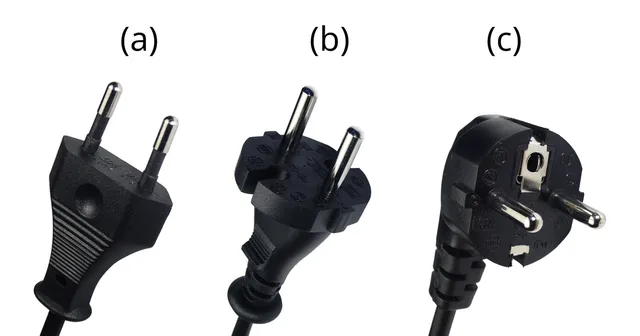
A researcher notes that while the euro is stable, it is tied to a complex web of global exchange rates. The current system is robust but operates within specific constraints.
The effectiveness of the euro is partially defined by its relationships with other currencies. For instance, it currently has a fixed exchange rate of 1.95583 convertible marks = 1 euro. It also maintains a fixed exchange rate of 655.957 Central African CFA francs = 1 euro.
One limitation is that the stability of the euro is contingent upon these fixed or floating exchange rates, such as the one that remains stable at around 61 Macedonian denars to 1 euro. Any digital transition must account for these existing monetary dependencies.
The same subject is also called EU monetary innovation.
This part also covers digital euro monetary policy.
What denominations of coins are currently used?
The debate over the digital euro continues to weigh the necessity of modernization against the established stability of the physical currency and its historical symbolic foundations.
Comments 0