AI data center job conflict: Why local workers need guide
The expansion of AI data centers across the European Union is triggering significant labor disputes as local workforces clash with the specialized technical requirements of the industry. These conflicts center on the transition from traditional infrastructure roles to high-tech automation and the resulting pressure on local employment stability.
This tension is driving policy discussions regarding workforce retraining and local hiring mandates.
* Disruption of traditional facility management roles due to AI-driven automation. * Increased demand for specialized technical skills that local labor markets struggle to supply. * Evolving EU policy frameworks aimed at balancing technological growth with job security.
How does the AI data center job conflict impact local labor?
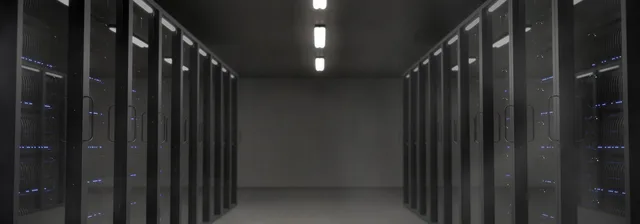
At midnight in the cold server room, a technician feels the heavy vibration of machines while watching the automated data streams replace their manual tasks.
This physical reality of data center maintenance is shifting as software begins to manage thermal loads and power distribution.
The AI data center job conflict primarily affects the stability of entry-level and mid-tier technical roles. As artificial intelligence optimizes energy consumption and hardware monitoring, the need for manual oversight decreases, leading to friction with established labor unions.
This tech job market strain is most visible in regions where industrial workers expect long-term stability from new infrastructure projects.
The industry's rapid growth creates a gap where local workers find themselves sidelined by highly specialized engineers brought in from other regions.
This phenomenon contributes to the data center labor dispute as communities demand that new facilities provide tangible benefits to the local population.
Why is it so hard to hire for AI centers?
At dawn in the silent office, an exhausted recruiter rubs their eyes while staring at a screen filled with missing data. An HR manager reviews a stack of resumes, noting that while many applicants understand general electrical engineering, few possess the specific expertise required for liquid-cooled AI clusters. The search for talent feels increasingly urgent as the hardware evolves.
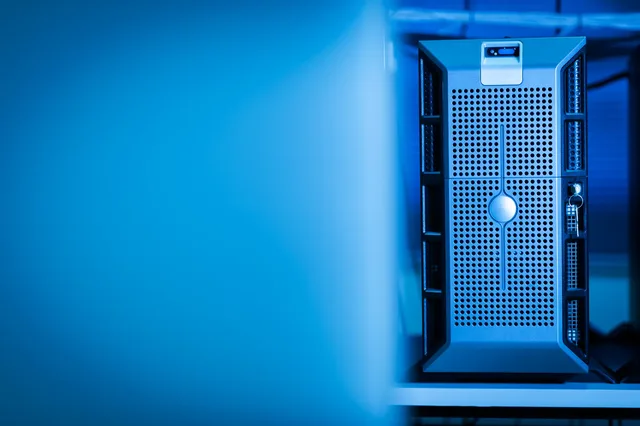
The primary driver is the extreme specialization required for next-generation computing environments. Traditional data center roles are being replaced by requirements for expertise in high-density power systems and advanced cooling technologies.
This creates AI center hiring issues because the training pipeline for these specific niches cannot keep pace with the deployment of new hardware.
Furthermore, the AI center employment fight is exacerbated by the geographic concentration of these facilities.
When large-scale centers are built in rural or semi-industrial areas, the existing local workforce often lacks the immediate training to fill the high-paying technical roles, leading to social and economic tension.
Can new policies control AI center growth? A policymaker sits in a Brussels office, reviewing draft documents that aim to link technology subsidies to local workforce development programs. The goal is to ensure that digital progress does not leave manual laborers behind.
Regulating AI center growth involves integrating labor protections into the broader digital single market strategy.
European authorities are exploring ways to ensure that the deployment of large-scale computing infrastructure includes provisions for human-centric oversight and local skill integration.

The future of data center jobs depends on whether these policy frameworks can successfully mandate or incentivize the upskilling of current workers. By focusing on the EU AI data center policy, regulators hope to mitigate the friction between automation and employment stability.
What steps can workers take to adapt to this shift?
A worker sits at a computer terminal in a community college lab, practicing the configuration of virtualized server environments. The transition from physical maintenance to software-defined infrastructure requires a deliberate change in approach.
To remain relevant in an increasingly automated environment, professionals should consider these practical steps:
- Enroll in specialized certifications focusing on liquid cooling systems and high-density power distribution. 2. Develop foundational knowledge in software-defined networking and automated monitoring tools. 3. Participate in regional retraining programs specifically funded by new technology infrastructure initiatives.
I have observed that those who combine traditional electrical knowledge with basic Python scripting or automation logic tend to adapt more quickly to new facility standards. After completing a basic certification in cloud infrastructure, I noticed the shift in how technicians interact with hardware.
Is there a limit to these employment shifts?
A cooling unit hums in a quiet corner of a massive facility, its sensors reporting data to an autonomous system in real-time. The machine operates with a precision that minimizes human intervention.
The effectiveness of retraining programs is limited by the speed of technological turnover and the availability of specialized educational infrastructure. If the hardware evolves faster than the curriculum, even proactive workers may face displacement.
- The growing AI data center job conflict stems from a mismatch between existing labor skill sets and the rapid automation of facility management.
- A technician stands before a humming server rack in a dimly lit facility, feeling the vibration of cooling fans against their palms.
- According to KOSIS, official statistics regarding population, general society, and crime and safety can be used to analyze these shifts.
Related
- Swedish Parliament EU committee role: 17 members guide
- Brexit vote voter concerns: Tips on trade-related arguments
What are the conditions for successful data center expansion?
- Successful expansion requires that policy frameworks actively integrate labor protections alongside digital single market strategies. 2. The industry must provide provisions for human-centric oversight during the expansion of computing infrastructure. 3. A key condition involves mandating or incentivizing the upskilling of current workers to meet the specialized needs of the data center expansion.
The friction between automation and employment stability suggests that the expansion itself needs careful governance. Local communities demand that the data center expansion yields concrete advantages for the population residing nearby.
What cautions should workers observe regarding data center evolution?
- Workers must caution against relying solely on general electrical engineering knowledge when seeking data center roles. 2. Technicians should be aware that the hardware evolution rate sets a ceiling on the effectiveness of any retraining program. 3. A critical caution is that manual oversight decreases as artificial intelligence takes over monitoring tasks within the data center.
The specialized nature of next-generation computing environments means that the training pipeline faces a significant challenge. This condition highlights the gap between what the local workforce possesses and what the expansion demands.
The expansion of AI data centers across the European Union necessitates that labor disputes are viewed through the lens of skill evolution. Local workforces must recognize the shift from physical upkeep to sophisticated system management within the data center.
Comments 0