How much electricity do data centers consume?
The expansion of regulatory frameworks for data center energy efficiency and water usage aims to mitigate the massive environmental footprint of digital infrastructure. These rules target high-consumption facilities to align with broader climate goals, focusing on large-scale operators and resource management.
The new EU data center energy rules prioritize transparency and resource conservation to manage the rising electricity demand of digital services. This guide explores the scale of global consumption, the shift toward hyperscale facilities, and the growing local resistance to new infrastructure.

* Global electricity consumption from data centers reached approximately 415 TWh in 2024. * Hyperscale and colocation centers now manage the vast majority of server workloads. * Local opposition has already impacted billions of dollars in planned infrastructure projects. * Efficiency varies significantly between enterprise sites and modern hyperscale facilities.
How much electricity do data centers consume?
At midnight, the technician feels the intense heat radiating from the racks while staring at how much electricity the humming machines pull.
A technician monitors a glowing server rack as a cooling system hums in a large facility. The sheer scale of electricity required to maintain these digital hubs is becoming a central concern for international energy regulators.
This figure represents about 1.5% of global electricity consumption, following a growth rate of 12% per year over the previous five years.
The impact of new EU climate laws is driven by this rapid expansion. As the demand for processing power rises, the energy required to keep servers running and cooled continues to climb.
Why are hyperscale centers the focus of energy rules? EU data center energy rules
Walking through the vast hall at dawn, the engineer shivers from the cold air and contemplates how much energy these massive centers require.
An engineer walks through a massive hallway of identical, high-density server cabinets. The concentration of computing power in these specialized facilities makes them the primary target for efficiency standards.
The shift in workload distribution is significant. A Data Center Energy Usage Report from the Lawrence Berkeley National Laboratory estimated that hyperscale and colocation centers contained 74% of computer servers in 2023.
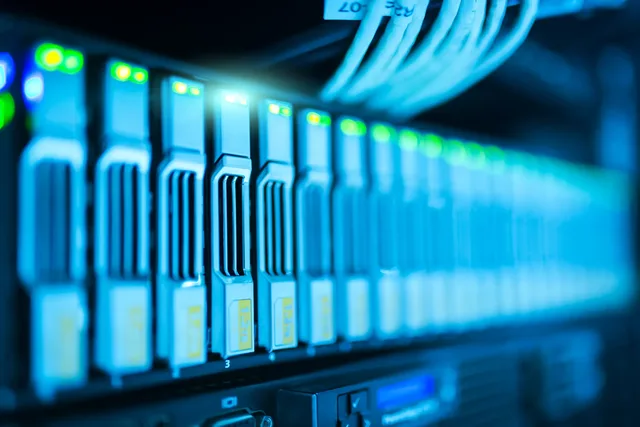
This concentration means that a small number of facilities drive the majority of energy demand.
The future of sustainable data centers depends on managing these specific hubs. Because hyperscale facilities are so large, their efficiency levels dictate the overall carbon footprint of the digital economy.
According to World Bank, the 2020 record includes 21.1%.
What are the efficiency differences between facility types?
A maintenance worker checks the temperature of a cooling unit near a small, local enterprise server room. The contrast in how different types of facilities handle heat and power is stark.
Efficiency levels vary based on the scale of the operation. Cooling can account for over 30% of electricity consumption at enterprise sites, whereas efficient hyperscale data centers keep this to roughly 7%. This difference highlights why regulatory focus often lands on the largest players.
The server energy efficiency law seeks to bridge these gaps. By setting benchmarks, regulators hope to move the industry toward the lower consumption profiles seen in modern hyperscale environments.
| Facility Type | Cooling Energy Share |
|---|---|
| Enterprise | Over 30% |
| Hyperscale | Roughly 7% |
I observed how much more energy a traditional office-based server setup pulls compared to the streamlined cooling of a massive industrial site.
##
A resident stands at a community meeting, pointing to a map of a proposed construction site. The tension between technological expansion and local resource preservation is reaching a breaking point.
Development is not proceeding without friction. Data Center Watch reported that between May 2024 and March 2025, local opposition had blocked or delayed a total of $64 billion in data center projects. This included six projects that were blocked entirely and 10 that faced delays.
Data processing water usage trends are often at the heart of these disputes. Communities are increasingly concerned about how massive cooling requirements will impact local water supplies and energy grids.
According to Data Center, the 2023 record includes 74%.
What steps are required for compliant facility management?
A project manager reviews a compliance checklist before the grand opening of a new facility. Adhering to new standards requires a disciplined approach to resource allocation and reporting.
To align with emerging standards, operators should follow these steps:
- Audit cooling systems to ensure they meet the lower percentage thresholds seen in hyperscale models. 2. Monitor electricity consumption to track against the 12% annual growth trends observed globally. 3. Engage with local communities to address concerns regarding land use and resource impact.
Perform a final check of all energy reporting metrics to ensure transparency with regional regulators.
- Conduct regular energy audits to monitor consumption patterns.
- Implement cooling optimizations to reduce thermal waste.
- Update reporting protocols to meet local regulatory standards.
- In this sequence, the second step is the most extensive.
What are the limitations of current energy data?
A researcher sits in a quiet library, comparing various global energy reports. Even with extensive data, certain gaps remain in our understanding of the total impact.
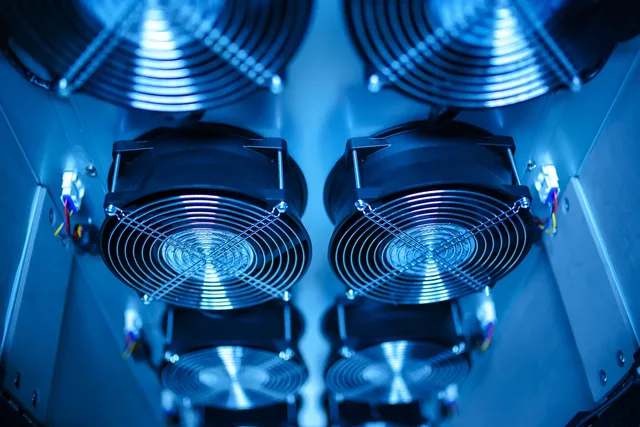
The scope of data is often limited by regional reporting differences.
World Bank Based on the retained excerpt mentioning World Bank: According to World Bank data, the European Union recorded renewable energy share of final consumption of 21.1% in 2020.
Wikipedia: Data center Based on the retained excerpt mentioning Tahoe Reno Industrial Center: In that year, the largest data center in the world was Citadel, owned by Switch, at the Tahoe Reno Industrial Center in Reno, Nevada, occupying 7.2 million square feet.
The subject here is EU data center energy rules.
The same subject is also called Data center power limits.
The same subject is also called EU green data rules.
The same subject is also called Water use in data centers.
How much of the world's electricity do data centers use?
The International Energy Agency (IEA) estimated that electricity consumption from these data centers amounted to around 415 terawatt hours (TWh), about 1.5% of global electricity consumption in 2024.
Which facilities hold the most servers?
A Data Center Energy Usage Report, Lawrence Berkeley National Laboratory estimated that hyperscale and colocation centers contained 74% of computer servers in 2023.
The regulatory landscape for data centers is evolving as the industry faces pressure to manage its massive energy and water requirements.
While hyperscale facilities offer better cooling efficiency, the rapid growth of total consumption and local community resistance present significant challenges for future expansion.
Comments 0