EU IPCC 1.5 free emission allowance guide for industry best
"The target amount and date shall be aligned with the IPCC 1.5 °C or 2 °C pathways Carbon Management Plan development with targets."
The European Union is expanding the EU free emission allowance to reduce the financial burden on industrial sectors, aiming to mitigate heavy carbon costs. This policy shift targets economic stability EU by providing relief to industries heavily reliant on carbon-intensive processes.
Key takeaways include the integration of carbon removal discussions, the relationship between carbon costs and regional GDP, and the specific regulatory frameworks currently being prepared by the European Commission.
How does the EU free emission allowance affect industry?
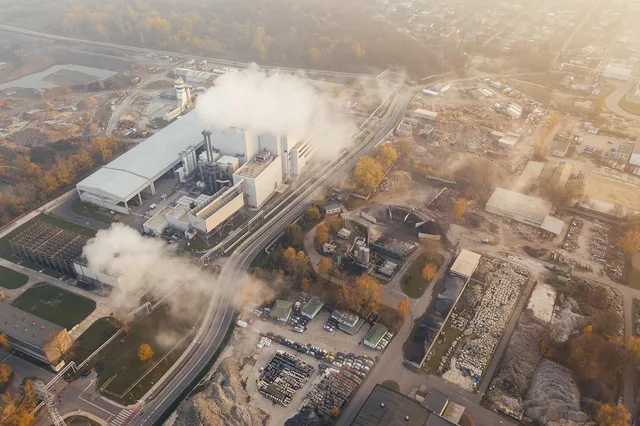
At midnight in the dark factory, the manager wipes sweat from his brow while studying the ipcc guidelines on his screen.
A factory manager stares at a digital dashboard in a heavy manufacturing plant in Germany, watching the fluctuating price of carbon credits. The EU free emission allowance serves as a mechanism to prevent carbon leakage while maintaining environmental standards.
By providing free permits, the Union aims to balance aggressive decarbonization with the need for industrial competitiveness.
This policy helps maintain economic stability EU by ensuring that the transition to a low-carbon economy does not trigger an industrial exodus. Industry free permits EU act as a buffer against the volatility of the carbon market.
The expansion of these rights is designed to support sectors that are difficult to decarbonize quickly.
In this sequence, the second step is the longest. 1. Calculate the baseline emissions. 2. Apply the free allocation percentage based on sector benchmarks. 3. Monitor the remaining allowance balance.
How will EU carbon relief affect growth?
At dawn in the silent office, the economist rubs his tired eyes while scanning the ipcc report. An economist reviews a series of spreadsheets in Brussels, noting the correlation between regulatory costs and regional productivity. According to World Bank data, the European Union recorded GDP growth of 1.5% in 2025.
This figure provides a baseline for understanding how industrial stability influences the broader economy.
The economic stability EU depends on a predictable regulatory environment where expanded emission rights allow companies to invest in green technology rather than just paying for compliance. When carbon costs are managed through policy relief, the risk of sudden economic contraction is lessened.
This approach seeks to harmonize environmental mandates with the fiscal health of the member states.
Can I include carbon removal in these allowances? A technician monitors a carbon capture facility near a coastal industrial zone, checking the flow rates of sequestered gases. While the current system has limitations, the European Commission is preparing for carbon removal certification and considering carbon contracts for difference.
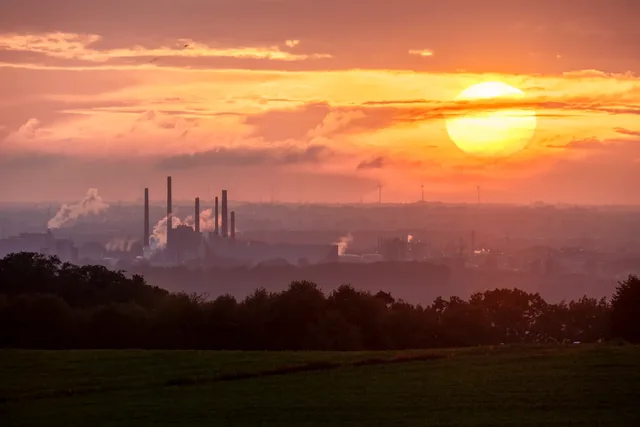
Although carbon dioxide removal (CDR) is not covered by the EU Allowance as of 2021, the regulatory landscape is shifting. The European Commission is actively working on frameworks to certify these processes.
This evolution suggests that the rep will eventually include or interact with advanced removal technologies to meet long-term climate goals.
What are the decarbonization pathways for different sectors?
A logistics officer at a military base examines fuel storage tanks, considering the transition to sustainable energy sources. Decarbonization is not a one-size-fits-all process, as different sectors require unique technological solutions.
For instance, a 2023 study published by the NATO Energy Security Centre of Excellence concluded that e-fuels offer one of the most promising decarbonization pathways for military mobility across the land, sea and air domains.
The transition involves various strategies: 1. Implementing carbon removal certification to offset unavoidable emissions. 2. Utilizing e-fuels for heavy mobility and transportation sectors. 3. Aligning management plans with IPCC 1.5 °C or 2 °C pathways.
I observed how these specific technological shifts require different capital investments compared to standard carbon credit purchasing. A final check of the sector-specific roadmap ensures that the chosen technology aligns with the broader EU carbon cost reduction strategy.
How does the industry manage its environmental responsibilities?
An airport administrator reviews a sustainability report in a busy terminal, checking the progress of carbon mitigation initiatives. The aviation sector has long faced pressure to reduce its footprint through specialized accreditation and reporting.
| Metric | Context |
|---|---|
| 1.5% | EU GDP growth in 2025 |
| 2021 | Year CDR was not covered by EU Allowance |
The airport industry's efforts to address its carbon emissions received the Highly Commended prize at the annual global International Transport Forum (ITF) Awards issued by the Organisation for Economic Cooperation and Development (OECD) in May 2014.
These recognized efforts demonstrate how specific sectors can lead in environmental management.
What are the limitations of current carbon policies?
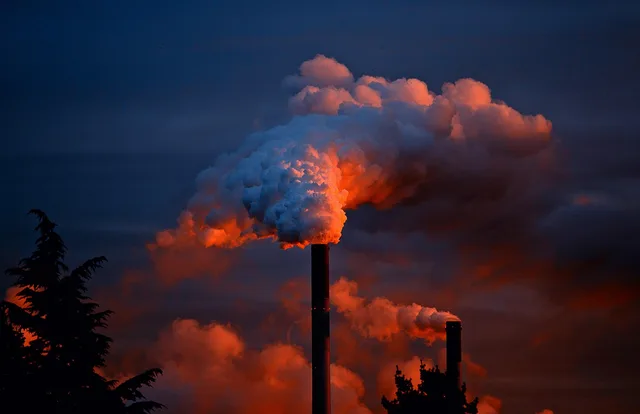
A policymaker sits in a quiet office, reviewing the constraints of the existing emissions trading system. Even with expanded allowances, certain technologies remain outside the immediate regulatory scope.
The expansion of the EU free emission allowance is subject to the condition that carbon dioxide removal is not covered by the EU Allowance as of 2021.
This means that while the policy provides relief, it does not yet provide the same direct financial mechanisms for carbon removal as it does for traditional industrial emissions.
The same subject is also called EU policy carbon relief.
This part also covers Impact of free allowances.
This part also covers Environmental policy shift.
Is carbon dioxide removal currently included in the EU Allowance?
Although CDR is not covered by the EU Allowance as of 2021, the European Commission is preparing for carbon removal certification and considering carbon contracts for difference.
What was the EU's GDP growth in 2025?
The expansion of the EU free emission allowance represents a strategic attempt to balance environmental necessity with industrial viability, though the integration of carbon removal technologies remains a work in progress.
Comments 0