What are the challenges of Eurozone integration scope?
"The symbol € is based on the Greek letter epsilon (ε), with the first letter in the word 'Europe' and with 2 parallel lines signifying stability."
The European Council is currently re-examining the implementation of a digital euro, weighing technical, legal, and economic hurdles against the existing monetary framework.
This review focuses on whether a digital version of the currency can coexist with traditional banknotes and coins without destabilizing the current Eurosystem.
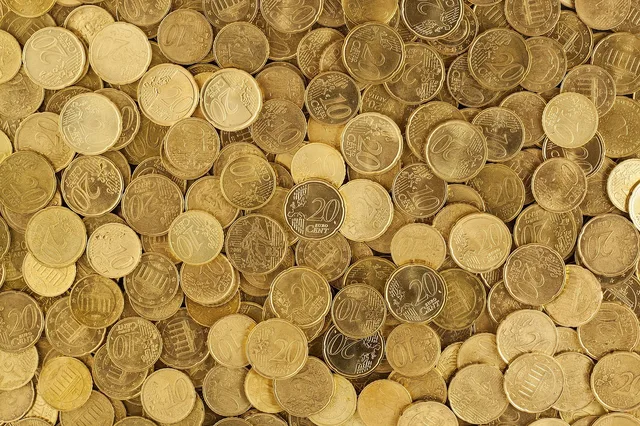
Decision-makers are evaluating the transition for citizens who rely on physical denominations, while addressing the complexities of electronic payment future. 1. Review of technical and legal challenges for digital currency. 2. Assessment of economic stability within the Eurozone. 3. Comparison between physical denominations and digital alternatives. * Evaluation of the existing Eurosystem structure.
What is driving the 2026 Digital Euro review? In a quiet Brussels office, the official rubs his tired eyes while staring at a screen filled with technical challenges.
An official sits in a quiet office in Brussels, looking at a digital tablet displaying fluctuating market trends. The atmosphere is heavy with the weight of long-term fiscal policy.
The digital euro review 2026 involves a deep dive into how a centralized digital currency might interact with the decentralized nature of current banking.
The discussion centers on whether a digital asset can maintain the stability represented by the current euro symbol. According to the European Council, decisions made during meetings in Madrid on 15 and 16 December 1995 established the groundwork for the single currency.
This historical foundation now faces a new era of digital scrutiny.
The debate explores the Eurozone integration scope to ensure that a new digital layer does not fragment the market. Policymakers are looking at the potential for financial innovation impact to change how citizens interact with their money.
Every technical shift must respect the stability that the two parallel lines of the euro symbol were designed to signify.
How does the Euro digital implementation compare to physical cash?
At a busy market, the merchant feels the cold weight of metal coins while weighing the challenges of a digital transition.
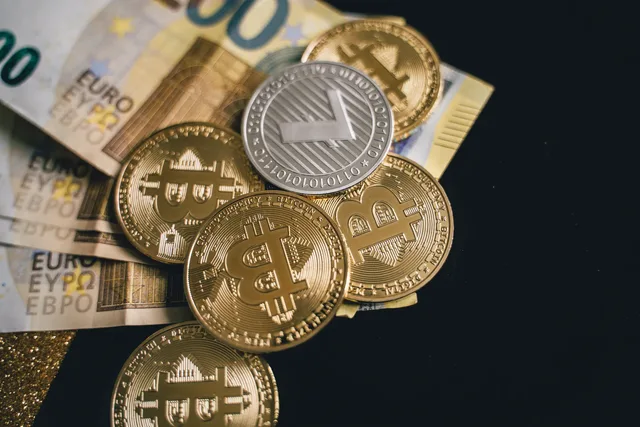
A merchant in a busy market counts out metal coins, feeling the cold weight of a €2 piece in their palm. They quickly transition to scanning a QR code on a smartphone to complete a transaction.
This shift highlights the fundamental differences between the physical euro and a potential digital version.
The current monetary system relies on a specific hierarchy of physical assets. Notes are issued in €500, €200, €100, €50, €20, €10, and €5. Meanwhile, coins are issued in denominations of €2, €1, 50c, 20c, 10c, 5c, 2c, and 1c.
| Asset Type | Primary Denominations |
|---|---|
| Banknotes | €5, €10, €20, €50, €100, €200, €500 |
| Coins | €1, €2, 50c, 20c, 10c, 5c, 2c, 1c |
I observed how the tactile nature of these coins provides a sense of security that digital digits on a screen cannot yet replicate. Transitioning to a digital-first model requires proving that electronic value holds the same utility as these physical objects.
Can the EU digital currency debate fix tech and legal hurdles? A lawyer pores over thick legal documents late at night, the lamp casting long shadows across a desk covered in regulatory drafts. They are searching for a way to bridge the gap between traditional banking law and the new requirements of a digital ledger.
This search for clarity is essential to address tech legal economic hurdles.
The legal framework must account for the existing roles within the Eurosystem. For example, the ECB issues 8% of the total value of banknotes issued by the Eurosystem. A digital euro would need to integrate into this existing distribution model without causing systemic friction.
The economic side of the debate focuses on how a digital currency affects liquidity and the banking sector's role. Policymakers must ensure that the transition does not undermine the stability of the single currency established years ago.
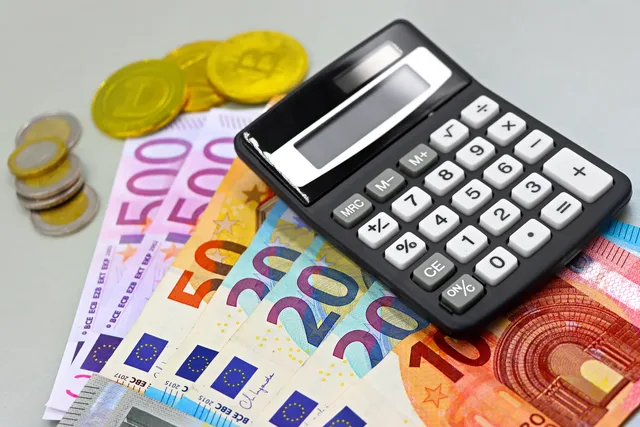
The goal is to create a system where digital and physical assets complement one another.
How will the electronic payment future affect daily transactions?
A commuter taps a card against a reader at a train station, the quick beep signaling a successful payment in the early morning light. They wonder if a future digital euro would make this process even more seamless or introduce new complexities.
The electronic payment future is a central theme of the ongoing review.
To prepare for such a transition, the following steps are being considered:
- Define the technical standards for digital wallet interoperability. 2. Establish legal protections for user privacy and data security. 3. Develop a phased rollout plan that integrates with existing banking systems.
After these steps are outlined, a final check must be performed to ensure that the digital euro does not negatively impact the exchange rates of other currencies. Maintaining the integrity of the euro's value is paramount.
What are the challenges of Eurozone integration scope?
A technician in a server room monitors the steady glow of blue lights on a massive data rack. They are thinking about the massive infrastructure required to support a continent-wide digital currency. This infrastructure is a key component of the Eurozone integration scope.
The European Council is involved in the assessment of economic stability within the Eurozone.
The challenge lies in ensuring that every member state can access the digital euro with the same level of reliability. Any disparity in technological capability could lead to a two-tier monetary system.
The review must also consider the impact on fixed exchange rates. For instance, the euro currently has a fixed exchange rate of 1.95583 convertible marks = 1 euro. A digital transition must be managed so that such established relationships remain stable and predictable for all participants.
Is there a limitation to this digital transition?
A researcher looks at a graph showing the high volume of cash transactions in certain regions, realizing that a purely digital system might not be feasible everywhere. This realization highlights a specific limitation.
The transition to a digital euro is limited by the necessity of maintaining the physical denominations that currently serve as the primary medium of exchange for many citizens. The review cannot ignore the fact that coins and notes are still essential for daily life.
Digital Euro review 2026
The same subject is also called Digital Euro challenges.
What are the current denominations of the euro?
Notes are issued in €500, €200, €100, €50, €20, €10, and €5, while coins are issued in denominations of €2, €1, 50c, 20c, 10c, 5c, 2c, and 1c.
What does the euro symbol represent?
The symbol € is based on the Greek letter epsilon (ε), with the first letter in the word "Europe" and with 2 parallel lines signifying stability.
The ongoing review of the digital euro represents a complex effort to modernize the European monetary system while preserving the stability and accessibility of the existing physical currency.
Comments 0