EU data center rating system guide: Tips for high density
"Data centers use electric power, releasing more than 98 percent of this electricity as heat."
The European Union is moving toward a structured EU data center rating system to address the growing environmental footprint of digital infrastructure. This policy targets energy and water efficiency to manage the massive thermal output and resource consumption of server farms.
Key takeaways include the need for high-density power management, the potential for heat reuse in local communities, and the implementation of strict efficiency standards.
How can this cooling unit be adjusted?

At midnight in the server room, his fingers tremble as he adjusts the dials to manage the heat rising from the data. Managing this density is critical because data centers use electric power, releasing more than 98 percent of this electricity as heat. As facilities become more compact and powerful, the rep focuses on how these thermal loads are handled.
The goal is to ensure that increasing power density does not lead to unsustainable energy spikes or cooling failures.
How can EU policy improve water efficiency? EU data center rating system An engineer monitors a digital dashboard showing the moisture levels in a high-tech cooling chamber. Implementing a water efficiency EU policy involves adopting advanced technologies to reduce the liquid resources required for temperature control.
One such method is the use of ultrasonic humidification, which uses ultrasound to create moisture.
This specific technique is highly efficient, using 90 percent less energy than conventional methods such as resistance steam humidifiers. By integrating these technologies, facilities can maintain necessary humidity levels while minimizing both water and electricity consumption.

Such innovations are essential as the industry faces stricter environmental mandates regarding resource usage.
According to World Bank, the 2020 record includes 21.1%.
Can data centers turn waste heat into a resource?
A local resident dips a hand into a warm swimming pool while watching the sun set. Tech innovation data centers often focus on repurposing the massive amounts of thermal energy they generate.
Instead of venting heat into the atmosphere, some facilities integrate with local infrastructure to provide warmth for residential or recreational needs.
In Switzerland, the IBM Reusing Data Center uses its heat to warm a local swimming pool. Similarly, in Finland, the Yandex and Academica data centers replace the heat used by 500-1,000 homes with data-center energy.
These examples demonstrate how industrial energy standards can transform a byproduct into a community asset.
How can facilities achieve top-tier energy certification?
A manager reviews a certificate of compliance on a sleek office desk. To meet high standards, facilities often look toward established international benchmarks for performance.
To reach these levels, a facility must undergo a rigorous evaluation process:
- Audit current power usage effectiveness and cooling efficiency. 2. Implement high-efficiency components, such as DC data centers which could be 10% more efficient and use less floor space for inverting components. 3. Verify that performance metrics meet the highest thresholds.
I compared these technical requirements against my own observations of modern cooling setups during a site visit. Only data centers which are in the top 25 percent in energy performance may receive Energy Star certification.
What are the challenges of managing high-density server farms?
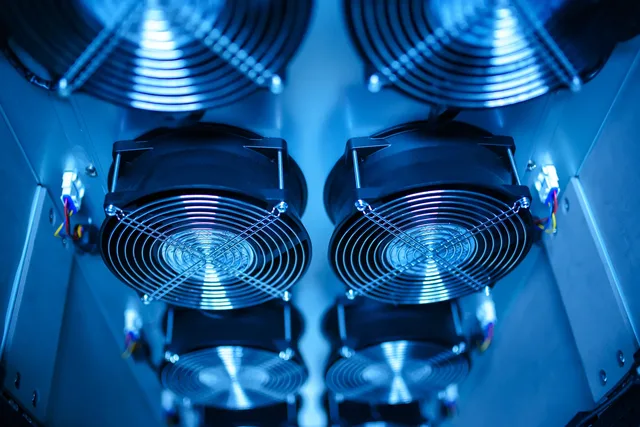
A technician wipes sweat from their brow while navigating a narrow aisle of glowing blue lights. Managing rating system for server farms becomes difficult when hardware density outpaces existing cooling infrastructure.
The rapid increase in power per rack means that traditional air-cooling methods may no longer be sufficient to prevent hardware failure.
The limitation of these efficiency efforts is that they often depend on the specific local climate and the availability of secondary heat sinks, such as municipal water systems or district heating networks.
Wikipedia: Recycling Based on the retained excerpt mentioning EPA: The EPA states that "recycling aluminum cans, for example, saves 95 percent of the energy required to make the same amount of aluminum from its virgin source, bauxite." In 2009, more than half of all aluminium cans produced came from recycled aluminium.
World Bank Based on the retained excerpt mentioning World Bank: According to World Bank data, the European Union recorded renewable energy share of final consumption of 21.1% in 2020.
- A technician adjusts a cooling unit as the hum of a server rack intensifies in a chilled room.
- What are the methods for improving water efficiency EU policy?
- Can data centers turn waste heat into a resource?
The subject here is EU data center rating system.
The same subject is also called Data center energy grade.
This part also covers EU mandates data center efficiency.
This part also covers New environmental data center rules.
Data centers use electric power, releasing more than 98 percent of this electricity as heat.
What are the operational conditions for heat reuse?
- The integration of heat reuse requires that the facility's thermal output matches the needs of the receiving local infrastructure. 2. The success of repurposing waste heat depends on the proximity and capacity of the community system designed to accept the thermal energy. 3. A caution exists regarding the transfer process itself, where the efficiency of the heat exchange mechanism dictates the viability of the project.
The comparison between direct atmospheric venting and local integration shows a clear divergence in environmental impact for data centers. When facilities adopt heat reuse, they move beyond simply mitigating waste to actively contributing a utility resource.
This procedure transforms a liability into a potential asset for the surrounding area.
What are the comparative advantages of different efficiency approaches?
The comparison between ultrasonic humidification and resistance steam humidifiers highlights a significant energy saving. Ultrasonic humidification achieves a reduction in energy use of 90 percent when contrasted with the older steam methods.
This condition allows data centers to meet humidity requirements while conserving electrical resources.
Furthermore, the implementation of DC data centers offers a performance comparison against traditional setups. These newer data centers present a potential advantage of being 10% more efficient while simultaneously requiring less physical floor space for inverting components.
This technical comparison underscores the drive toward optimized physical design in data centers.
The regulatory push from the European Union serves as a framework to enforce these comparative improvements across the industry. The goal of the EU rating system is to standardize the assessment of these varied technological solutions for data centers.
This standardization helps ensure that efficiency gains are measurable and comparable across different operational sites.
Comments 0