How do these regulations impact cosmetics?
"The European Union is developing an action plan to eliminate non-essential uses of PFAS."
What are the EU PFAS packaging rules?
At midnight in the quiet office, the manager rubs his tired eyes while staring at these endless digital requests.
At dusk in the warehouse, the technician ran a hand over the slick cardboard to feel how these rules changed the texture of the boxes.
A technician examines a stack of waterproof-coated cardboard boxes in a logistics center, noting the slick surface designed to repel moisture. These EU PFAS packaging rules represent a significant shift toward eliminating persistent chemicals from everyday materials.
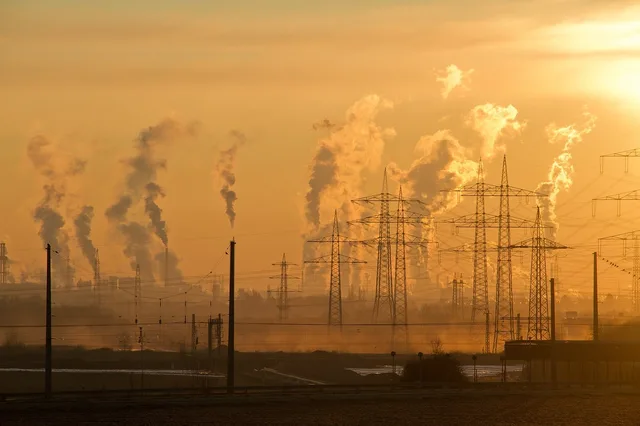
The European Union is actively developing an action plan to eliminate non-essential uses of PFAS to reduce long-term environmental contamination.
The regulatory movement focuses on the lifecycle of consumer products, especially those where chemical coatings provide specific utility. As the European Chemicals Agency manages the technical, scientific, and administrative aspects of REACH, the scope of restricted substances continues to expand.
This oversight ensures that chemical management aligns with broader environmental protection goals.
How do these regulations impact cosmetics?
A consumer pulls a small jar of moisturizer from a retail shelf, checking the label for ingredient transparency. The impact of 2026 PFAS ban preparations is already visible in data regarding consumer goods.
According to a report by the US FDA, up to 1.4% of cosmetics sold in Europe contained PFAS in 2021.
This figure highlights the specific chemical footprint within the European market compared to other regions. In comparison, as of 2025, less than 1% of cosmetics sold in the US contained PFAS. Monitoring these levels is crucial as the EU moves toward more stringent chemical control.
According to World Bank, the 2020 record includes 21.1%.
What are the challenges for retailers?
A store manager sits at a desk, staring at a mountain of digital requests for ingredient lists from concerned customers. For many retailers, the obligation to provide information about substances in their products within 45 days of receipt of a request from a consumer is particularly challenging.
This requirement demands high levels of supply chain transparency and rapid communication.
Managing these requests requires robust data systems to track chemical compositions from the manufacturer to the shelf. The complexity of modern supply chains makes the rapid identification of specific compounds a logistical hurdle.
Addressing these requirements is a necessary step for compliance with evolving environmental policy PFAS standards.
How widespread is the contamination?
A researcher collects a vial of clear liquid from a deep well in a remote field, far from any industrial site. The scale of the issue is reflected in the environmental presence of these compounds.

In 2024, a worldwide study of 45,000 groundwater samples found that 31% of samples contained levels of PFAS that were harmful to human health.
These samples were taken from areas not near any obvious source of contamination, suggesting a pervasive presence in the water cycle. Furthermore, concentrations in biota can even be greater than 5000 times those present in water for PFOS and C10–C14 PFCAs.
This bioaccumulation underscores why stronger EU chemical rules are being pursued.
What are the treatment methods for PFAS?
An engineer monitors a series of large filtration tanks at a municipal water treatment facility, watching the flow of processed water. Removing these chemicals from liquid matrices requires specialized technology. The effectiveness of different systems varies significantly:
- Conventional activated sludge removed 42% of PFAS on average. 2. Biological nutrient removal removed 54% of PFAS. 3. Membrane bioreactors removed 70% of PFAS.
I observed these different filtration stages during a site visit to a treatment plant to see how effectively they manage chemical residuals. While membrane bioreactors offer the highest removal rate, selecting the right technology depends on the specific water matrix and required purity levels.
| Treatment Method | Average PFAS Removal |
|---|---|
| Conventional Activated Sludge | 42% |
| Membrane Bioreactors | 70% |
How can companies comply with new standards?
A compliance officer marks a checklist while reviewing the chemical safety data sheets for a new product line. To prepare for the implementation of packaging PFAS restrictions, companies should follow these steps:
- Audit all current packaging materials to identify any coatings containing PFAS. 2. Establish a rapid-response protocol to meet the 45-day consumer information request window. 3. Verify that all ingredient disclosures align with the latest European Chemicals Agency guidelines.
After completing these steps, perform a final check by requesting a simulated consumer inquiry to ensure the data retrieval process is functional and accurate.
The scope of these regulations is primarily focused on non-essential uses, meaning certain highly specialized industrial applications may not be immediately covered by the primary action plan.

- The EU PFAS packaging rules aim to curb the use of "forever chemicals" by targeting non-essential applications across various consumer goods.
- This transition is essential for manufacturers and retailers preparing for stricter environmental oversight regarding chemical safety and product transparency.
- Key takeaways include the rising regulatory pressure on cosmetic and packaging sectors, the technical challenges of substance disclosure, and the widespread presence of these compounds in groundwater.
The same subject is also called PFAS limit 2026 EU.
The same subject is also called EU environmental policy PFAS.
This part also covers New EU PFAS regulation details.
This part also covers How EU limits packaging PFAS.
How effective are membrane bioreactors at removing PFAS?
The movement toward stricter chemical management in Europe is driven by the need to address the pervasive nature of these compounds in the environment and the desire to eliminate non-essential chemical uses.
What is the difference between essential and non-essential PFAS use?
- The European Union's action plan specifically targets non-essential applications of PFAS, which distinguishes them from uses deemed necessary for certain functions. 2. The scope of these regulations does not immediately cover every highly specialized industrial application where PFAS might be employed.
The differentiation between essential and non-essential chemical use requires careful assessment by regulatory bodies to determine the appropriate restriction level.
Manufacturers must understand this distinction when retooling their production lines to comply with the evolving environmental policy PFAS standards.
This focus on non-essentiality suggests that certain critical industrial processes might receive a different compliance pathway than consumer-facing goods. The European Union is managing this scope expansion through the European Chemicals Agency's oversight of REACH.
Comments 0