EU digital euro review: Tips to assess digital asset roles
"The symbol € is based on the Greek letter epsilon (ε), with the first letter in the word 'Europe' and with 2 parallel lines signifying stability."
The EU digital euro review involves a reassessment of how a digital currency integrates into the existing monetary framework. This process is aimed at policymakers and financial institutions navigating shifts in currency standards.
Key takeaways include the potential for regulatory shifts, the distinction between physical and digital formats, and the stability of current exchange rates.
Where does the EU digital euro review stand now? A policymaker sits in a quiet office in Brussels, staring at a screen filled with shifting fiscal projections. The EU digital euro review examines whether a digital version of the currency should be fully implemented or if the current physical system requires more reinforcement.
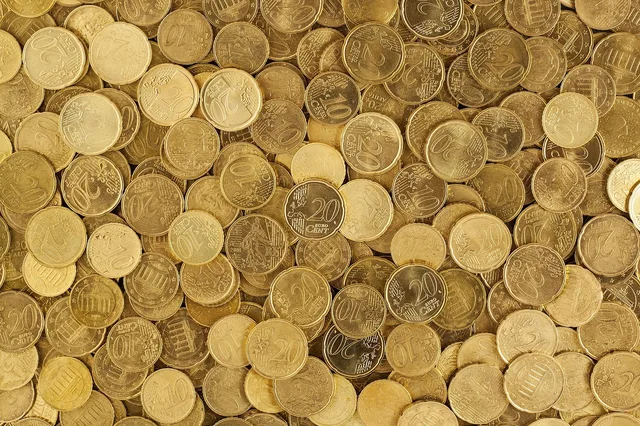
This reassessment creates a period of transition for those accustomed to traditional money.
The review process is not a sudden event but a way to navigate policy uncertainty in EU finance. Officials are looking at how a digital asset would interact with the existing Eurosystem.
This includes assessing the roles of central banks and the technical infrastructure required to maintain stability.
- Assess the current technical architecture.
- Evaluate user privacy requirements.
- Determine the final regulatory framework.
How does the digital euro compare to physical currency?
At dawn, the merchant feels the cold metal of coins in his hands while glancing at a digital screen.
A merchant counts a stack of paper notes and metal coins before the shop opens for the morning. The distinction between a digital asset and the physical Euro is significant.
While the digital version is still under review, the physical currency operates through a well-established system of denominations and issuance.
The physical currency is categorized by specific denominations to facilitate daily trade. According to Wikipedia, coins are issued in denominations of €2, €1, 50c, 20c, 10c, 5c, 2c, and 1c. These metal pieces provide a tactile sense of value that digital entries lack.
Notes are issued in €500, €200, €100, €50, €20, €10, and €5. This variety ensures that both large and small transactions are manageable. I compared these physical denominations to the theoretical digital models to understand the scale of the transition.
The Eurosystem relies on these physical assets to maintain liquidity.
| Asset Type | Common Denominations |
|---|---|
| Coins | €2, €1, 50c, 20c, 10c, 5c, 2c, 1c |
| Banknotes | €500, €200, €100, €50, €20, €10, €5 |
How will the digital euro change global geopolitics? A diplomat adjusts a tie while preparing for a summit in Madrid, thinking about the economic ties between Europe and the Mediterranean. The debate over digital currency is part of a larger conversation regarding European integration.
The geopolitical impact of digital euro extends beyond simple technology to how the region maintains its influence.
The European Council, meeting in Madrid on 15 and 16 December 1995, took decisions on employment, the single currency, the Intergovernmental Conference and enlargement to bring in countries of Central and Eastern Europe and the Mediterranean.

This historical context shows that currency decisions are always tied to broader continental goals.
The move toward a digital format could change how the EU interacts with global financial markets. It is a step in the evolution of the single currency. This evolution aims to ensure that the Euro remains a dominant and stable force in both digital and physical realms.
I believe the second step in this process is the most significant.
How are exchange rates managed during this review?
An economist tracks a series of fluctuating numbers on a Bloomberg terminal, watching how the Euro holds its ground against various global currencies. Maintaining a stable Euro digital status check is vital for international trade.
Even as the digital review proceeds, the current exchange rates remain fixed for many partners.
The stability of the Euro is reflected in its current fixed exchange rates with several other currencies. For example, it currently has a fixed exchange rate of 655.957 Central African CFA francs = 1 euro. It also maintains a fixed exchange rate of 110.625 Cape Verdean escudos = 1 euro.
The stability of the Macedonian denars is also notable, as its exchange rate remains stable at around 61 Macedonian denars to 1 euro. These fixed points provide a baseline for how a digital version might eventually be valued.
The transition must respect these established economic relationships to avoid market shocks.
What are the steps for implementing new currency standards?
A technician in a server room checks the connectivity of a high-speed data line, ensuring the infrastructure is ready for a potential rollout. Implementing a new digital currency standard requires a precise sequence of technical and regulatory actions.
According to The European Council, the decision was made to name the currency that would be used starting from 1 January 1999 the "Euro".
This process ensures that the digital euro can coexist with the existing Eurosystem.
- Define the technical architecture that allows digital assets to be verified instantly. 2. Establish the regulatory framework to ensure the digital currency complies with existing European law. 3. Integrate the digital layer with the current central bank issuance protocols.
After completing these steps, a final check of the system's resilience against cyber threats must be performed. This ensures that the digital transition does not compromise the stability signified by the two parallel lines in the Euro symbol.
What are the limitations of the current review?
A researcher looks through a window at a rainy street in Frankfurt, realizing that not every economic variable can be predicted. The Euro digital status check is limited by the complexity of existing monetary structures.
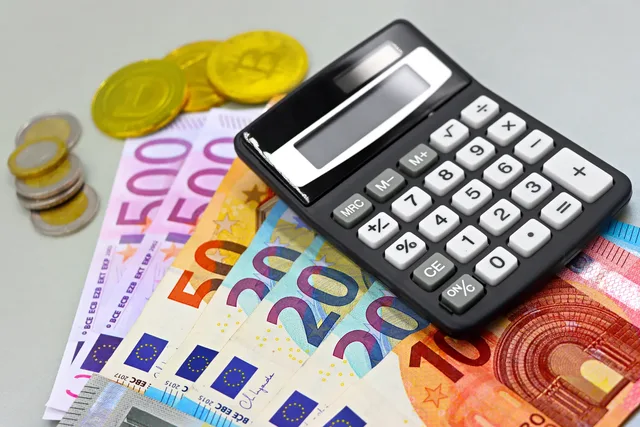
While the review is thorough, it cannot account for every possible shift in global digital infrastructure.
The scope of the review is constrained by the fact that the ECB issues 8% of the total value of banknotes issued by the Eurosystem. This specific distribution of responsibility means any digital change must carefully balance with the existing banknote issuance.
The review is limited by these established roles within the Eurosystem.
The subject here is EU digital euro review.
The same subject is also called Digital euro implementation.
The same subject is also called EU finance standard review.
The same subject is also called Revisiting digital euro plan.
What denominations are currently used for physical Euro coins?
The coins are issued in denominations of €2, €1, 50c, 20c, 10c, 5c, 2c, and 1c.
How much of the banknote value does the ECB issue?
The ECB issues 8% of the total value of banknotes issued by the Eurosystem.
The current review of the digital euro seeks to understand how a digital currency would integrate with the existing physical and regulatory framework of the Eurosystem.
This process involves balancing new technological capabilities with the long-standing stability of the physical currency and its established exchange rates.
Comments 0