How is the EU climate goal boost being structured?
"The target amount and date shall be aligned with the IPCC 1.5 °C or 2 °C pathways."
The European Union is intensifying its environmental framework to reach carbon neutrality, focusing on renewable integration and carbon removal strategies. This shift targets a deeper reduction in emissions through updated management plans and new certification processes for carbon dioxide removal.
Key takeaways include the pursuit of IPCC-aligned targets, the expansion of renewable energy shares, and the exploration of e-fuels for mobility.
How is the EU climate goal boost being structured?
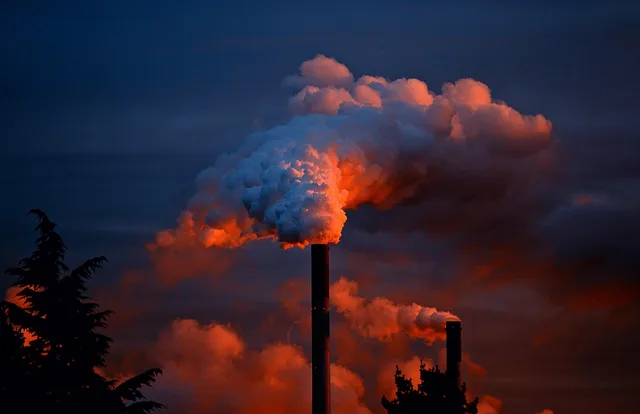
At dusk in a quiet Brussels office, the policymaker rubs their eyes while scanning the complex climate directives.
A policymaker sits in a quiet Brussels office, reviewing thick binders of climate directives. They look for ways to align regional targets with international scientific standards to ensure long-term viability.
The EU seeks to ensure that all carbon management plans are structured around established scientific benchmarks.
This alignment ensures that local industrial and transport efforts contribute meaningfully to global temperature stabilization.
By following these specific pathways, the region aims to turn high-level climate science into actionable regulatory requirements. This structured approach helps industries prepare for much stricter environmental mandates in the coming years.
What are the new EU emission rules regarding carbon removal? EU carbon neutral 2025
A scientist monitors a digital readout in a laboratory, watching how captured gases are processed for storage. The sterile environment hums with the sound of machinery working to stabilize atmospheric components.
The regulatory landscape is shifting to include more sophisticated methods for managing atmospheric carbon.
Additionally, the Commission is considering carbon contracts for difference to incentivize these technologies.
These developments represent a significant evolution in how the union manages its net-zero transition. The focus is moving from simple emission reductions to active removal and certification of carbon-capturing technologies.
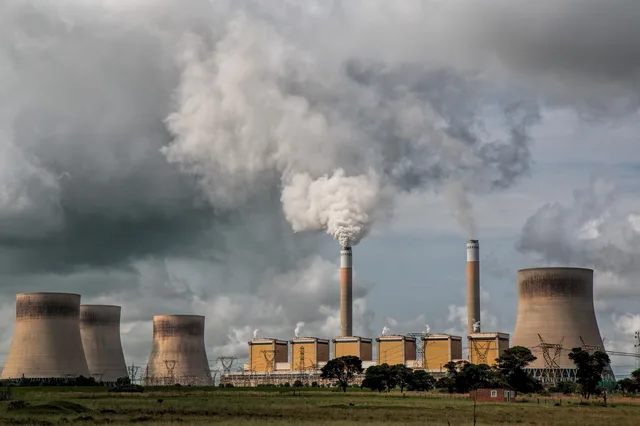
According to World Bank, the 2020 record includes 21.1%.
What does the 2025 EU net zero push mean for energy?
An engineer walks through a vast field of solar panels, feeling the warmth of the sun on their skin. The rhythmic clicking of the trackers adjusting to the light fills the afternoon air.
The transition relies heavily on the continued expansion of the renewable energy sector to replace fossil fuels. According to World Bank data, the European Union recorded a renewable energy share of final consumption of 21.1% in 2020.
This baseline serves as the foundation for more aggressive decarbonization targets.
Achieving the 2025 objectives requires maintaining this momentum across all member states. The integration of various renewable sources remains a cornerstone of the broader environmental strategy.
How can the impact of stricter EU rules be seen in aviation?
A pilot prepares for takeoff at a major European hub, checking the fuel gauges as the sun rises over the runway. The smell of jet fuel lingers in the cool morning air.
The aviation sector has already undergone significant shifts to address its environmental footprint. In 2016, Airport Carbon Accreditation was featured in the first ever European Aviation Environmental Report, published by the European Commission, as an innovative industry initiative.
This recognition highlights the ongoing efforts to tackle environmental challenges within the transport sector.
Industry players are increasingly adopting standardized accreditation to measure and mitigate their carbon output. This movement helps align the aviation industry with the wider goals of the European Union.
Can e-fuels help with the EU policy carbon target up?
A technician inspects a fuel cell in a heavy-duty vehicle, ensuring the connection is secure before a test run. The metallic scent of the workshop accompanies the quiet hum of the engine.
According to the Energy Security Centre of Excellence, a 2023 study concluded that e-fuels offer one of the most promising decarbonization pathways for military mobility across the land, sea and air domains.
New fuel technologies are being evaluated as viable solutions for decarbonizing difficult sectors.
In 2023, a study published by the NATO Energy Security Centre of Excellence concluded that e-fuels offer one of the most promising decarbonization pathways for military mobility across the land, sea, and air domains.
These synthetic fuels could play a vital role in meeting the requirements of the 2025 targets. Integrating e-fuels into various transport sectors offers a way to maintain mobility while reducing the carbon footprint.
How to implement carbon management steps?
A manager sits at a desk, checking off items on a compliance list for a new industrial project. The soft glow of the monitor illuminates the room as the deadline approaches.
To align with the evolving regulatory environment, organizations should follow these steps:
- 2. Monitor current renewable energy consumption to ensure it meets regional benchmarks. 3. Prepare for upcoming carbon removal certification standards as they are finalized by the Commission.
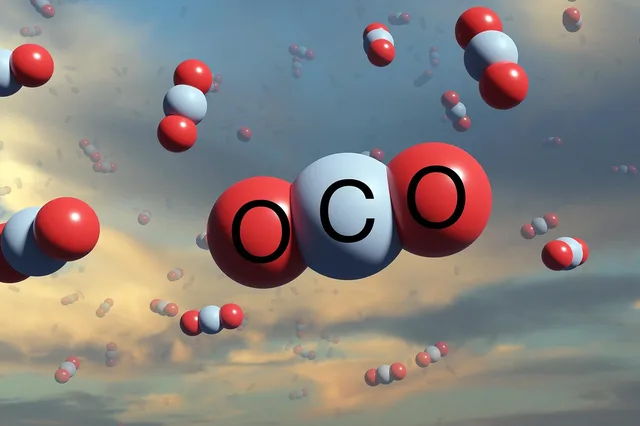
I have observed that following these steps helps organizations stay ahead of shifting mandates. A final check involves verifying that all emission reduction targets are documented and measurable.
| Metric | Value |
|---|---|
| EU Renewable Energy Share (2020) | 21.1% |
One limitation of these strategies is that carbon dioxide removal was not covered by the EU Allowance as of 2021.
- How is the EU climate goal boost being structured?
- What are the new EU emission rules regarding carbon removal?
- What does the 2025 EU net zero push mean for energy?
The subject here is EU carbon neutral 2025.
The same subject is also called Strengthen EU emission rules.
This part also covers New EU carbon regulation details.
This part also covers How EU targets carbon emissions.
Is carbon dioxide removal currently part of the EU Allowance?
Although CDR is not covered by the EU Allowance as of 2021, the European Commission is preparing for carbon removal certification and considering carbon contracts for difference.
The European Union continues to refine its approach to carbon neutrality by aligning with scientific pathways and expanding its renewable energy and carbon removal frameworks.
Comments 0