Why EU AI data center jobs face community stability concerns
"The digital infrastructure of the future is colliding with the local realities of the present, forcing a reckoning between technological growth and community stability."
This process involves addressing local opposition, managing energy demands, and regulating the shifting landscape of digital infrastructure.
Key considerations include the massive scale of hyperscale facilities, the rising electricity consumption of these centers, and the significant financial impact of project delays caused by local resistance.
How does the EU AI data center jobs landscape look?
A technician adjusts a cooling unit in a vast, humming hall filled with blinking server lights. The air is thick with the dry, artificial chill of industrial climate control. This atmosphere defines the physical reality of the rep.
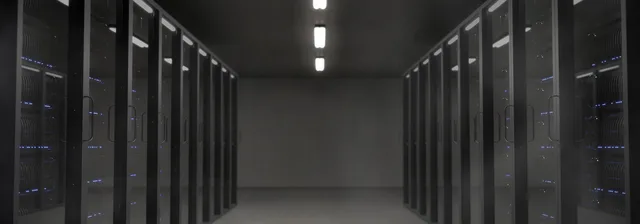
The discussion surrounding EU AI data center jobs centers on how the massive influx of hyperscale and colocation facilities changes the local workforce and infrastructure requirements.
As these centers grow, they create a tension between the high-tech roles they offer and the local community's concerns regarding resource use.
The scale of this transition is immense.
According to the International Energy Agency (IEA), electricity consumption from these data centers amounted to around 415 terawatt hours (TWh), about 1.5% of global electricity consumption in 2024, with a growth rate of 12% per year over the previous five years.
This energy demand influences how local governments plan for both industrial growth and residential stability.
The shift in infrastructure is also reflected in the concentration of power. Hyperscale and colocation centers contained 74% of computer servers in 2023, according to a Data Center Energy Usage Report from the Lawrence Berkeley National Laboratory.
This concentration means that the jobs and economic impacts are increasingly tied to these specific, large-scale facilities.
What is driving the AI data center hiring fight?
Inside a quiet office during the evening, an engineer rubs her tired eyes while scanning the complex data on the screen.
An engineer stares at a blueprint in a quiet office, tracing the lines of a proposed facility near a residential zone. Outside, the sun sets over a landscape that may soon host massive server racks.
The AI data center hiring fight is fueled by the rapid migration of workloads from traditional enterprise sites to massive hyperscale hubs. This movement changes the type of labor required, moving away from general IT maintenance toward specialized high-density facility management.
This trend is visible in the changing capacity of the market. Hyperscale data centers represented about 41% of worldwide data center capacity in 2024 and are projected to exceed 60% by 2029.
As enterprise on-premises infrastructure declines, the demand for specialized workers in hyperscale environments will likely intensify.
The competition for talent is also shaped by the dominance of major players. The three largest operators, Amazon Web Services, Microsoft Azure, and Google Cloud, collectively account for approximately 59% of all hyperscale data center capacity globally.
This concentration of capacity suggests that hiring trends are heavily influenced by the strategic moves of these specific global entities.
According to Data Center, the 2023 record includes 74%.
How does EU tech policy jobs regulation work?
During the evening, a weary regulator rubs her eyes in a quiet office while reviewing the shifting data.
A policy analyst sits in a brightly lit conference room, reviewing a draft of new regulatory frameworks. A heavy silence hangs in the air as the implications of the new rules are debated.
Regulating AI data center roles involves managing the intersection of energy efficiency, land use, and labor rights. Policymakers are looking at how to ensure that the growth of these facilities does not come at the undue expense of local energy grids or community cohesion.
To manage this, authorities often focus on specific operational standards:
- Assess the energy efficiency of facilities, noting that cooling can account for over 30% of electricity consumption at enterprise sites, compared to roughly 7% at efficient hyperscale data centers. 2. 3. Monitor the age of existing infrastructure to plan for upgrades, as the mean age of data center facilities had risen to 11.3 years as of December 2024, according to research analyst Jacqueline Davis of the Uptime Institute.

I observed how these regulatory steps aim to create a predictable environment for both investors and local residents.
Why is there a data center employment dispute?
A community leader stands on a podium in a crowded town hall, speaking passionately to a group of concerned neighbors. The heat of the room rises as the debate over a new construction project intensifies.
A data center employment dispute often arises when the promised economic benefits of new facilities clash with the perceived local costs. While these centers bring specialized jobs, they also require massive amounts of land and electricity, which can lead to friction with the existing population.
The financial stakes of these disputes are high. Data Center Watch reported that between May 2024 and March 2025, local opposition had blocked or delayed a total of $64 billion in data center projects. This included six projects that were blocked entirely and 10 that were delayed.
These conflicts are not just about jobs, but about the long-term footprint of the technology.
The growth of edge computing infrastructure, tied to the expansion of 5G and IoT devices, suggests that data processing is moving closer to the source, which may change how these disputes manifest in different geographic areas.
What are the limitations of current infrastructure?
A maintenance worker walks through a corridor of aging server racks, the floor vibrating slightly underfoot. The dim lighting casts long shadows across the metal casing of the machines.
The current infrastructure faces limitations regarding its age and the concentration of its energy needs. As facilities age, maintaining the efficiency required for modern AI workloads becomes increasingly difficult.
One significant limitation is the aging of the global fleet. As of December 2024, the mean age of data center facilities had risen to 11.3 years, according to research analyst Jacqueline Davis of the Uptime Institute.
This aging process can impact both the reliability of the services and the energy efficiency of the sites.
Furthermore, the concentration of energy use remains a challenge. In 2024, global energy consumption from data centers was 620 TWh, with 80% of that consumption concentrated in the U.S., China, and the United Kingdom.
This concentration means that policy shifts in these specific regions can have massive global implications for energy availability and tech employment.
- How does the EU AI data center jobs landscape look?
- What is driving the AI data center hiring fight?
- How does EU tech policy jobs regulation work?
What is the current scale of data center electricity use?
The International Energy Agency (IEA) estimated that electricity consumption from these data centers amounted to around 415 terawatt hours (TWh), about 1.5% of global electricity consumption in 2024, with a growth rate of 12% per year over the previous five years.
How much has local opposition affected data center projects?
According to Data Center Watch, local opposition had blocked or delayed a total of $64 billion in data center projects between May 2024 and March 2025, involving six projects blocked entirely and 10 that were delayed.
The discussion regarding AI data centers remains focused on the tension between the rapid expansion of hyperscale capacity and the regulatory and social demands of the local communities where they reside.
Comments 0