Why are these new plastic rules happening globally?
"The global community is moving toward a legally binding agreement to manage plastic waste, but the sheer scale of existing pollution remains a massive hurdle for regulators."
The EU plastic ban 2026 discussions focus on tightening restrictions to mitigate the environmental impact of microplastics. This regulatory shift aims to address the 150,000 tonnes of microplastics that the European Union participates in annually, representing 10% of the global total.
Key takeaways include the push for international legal frameworks, the scientific quantification of atmospheric particles, and the specific targeting of intentionally added microplastics.
How will the EU plastic ban 2026 impact current regulations?
In the quiet office, the lawmaker sighs while running a hand over the thick stack of papers that detail the upcoming global shift in rules.
A lawmaker reviews a stack of environmental reports in a quiet office. The movement toward stricter rules builds upon previous efforts to manage synthetic particles in the ecosystem.
The regulatory landscape is evolving through continuous scientific review and agency proposals. In January 2019, the European Chemicals Agency (ECHA) proposed to restrict intentionally added microplastics.
This follows earlier efforts, such as the April 2018 review of scientific evidence commissioned by the European Commission's Group of Chief Scientific Advisors. These steps set the stage for the EU plastic limits expand discussions currently being held.
- Review existing material standards to identify non-compliant polymers.
- Update manufacturing processes to meet new legal requirements.
- Implement tracking systems to ensure compliance with the transition timeline.
Why are these new plastic rules happening globally? A diplomat sits at a large conference table, looking over a map of the world. International cooperation is the foundation for managing waste that crosses all borders.
The drive for local regulation is mirrored by global legislative efforts.

On March 2, 2022, UN Member States voted at the resumed fifth UN Environment Assembly (UNEA-5.2) to establish an Intergovernmental Negotiating Committee (INC) with the mandate of advancing a legally-binding international agreement on plastics.
This international momentum supports the EU environmental plastic law as nations work toward unified standards.
In this sequence, the second step is the most extensive.
What science is behind the new 2026 plastic rules? A researcher adjusts a microscope lens under the bright lights of a laboratory. New data regarding atmospheric particles is changing how scientists view plastic pollution.
Advancements in measurement technology are revealing the true scope of the problem.
A study published in May 2026 in Nature Climate Change, conducted by researchers from Fudan University and Duke University, provides the first global quantification of the radiative forcing of atmospheric micro- and nanoplastics.
Understanding these atmospheric effects is a primary driver for the future of plastic in EU policy.
How are microplastics managed in different sectors?
A factory worker monitors a conveyor belt moving various consumer goods. Different industries face unique challenges when trying to reduce their plastic footprint.
The Environment Ministry has also proposed a number of recommendations for methods to monitor microplastic quantities in the ocean (Recommendations, 2018), according to The Environment Ministry.
In January 2019, the European Chemicals Agency (ECHA) proposed to restrict intentionally added microplastics, according to the European Chemicals Agency.
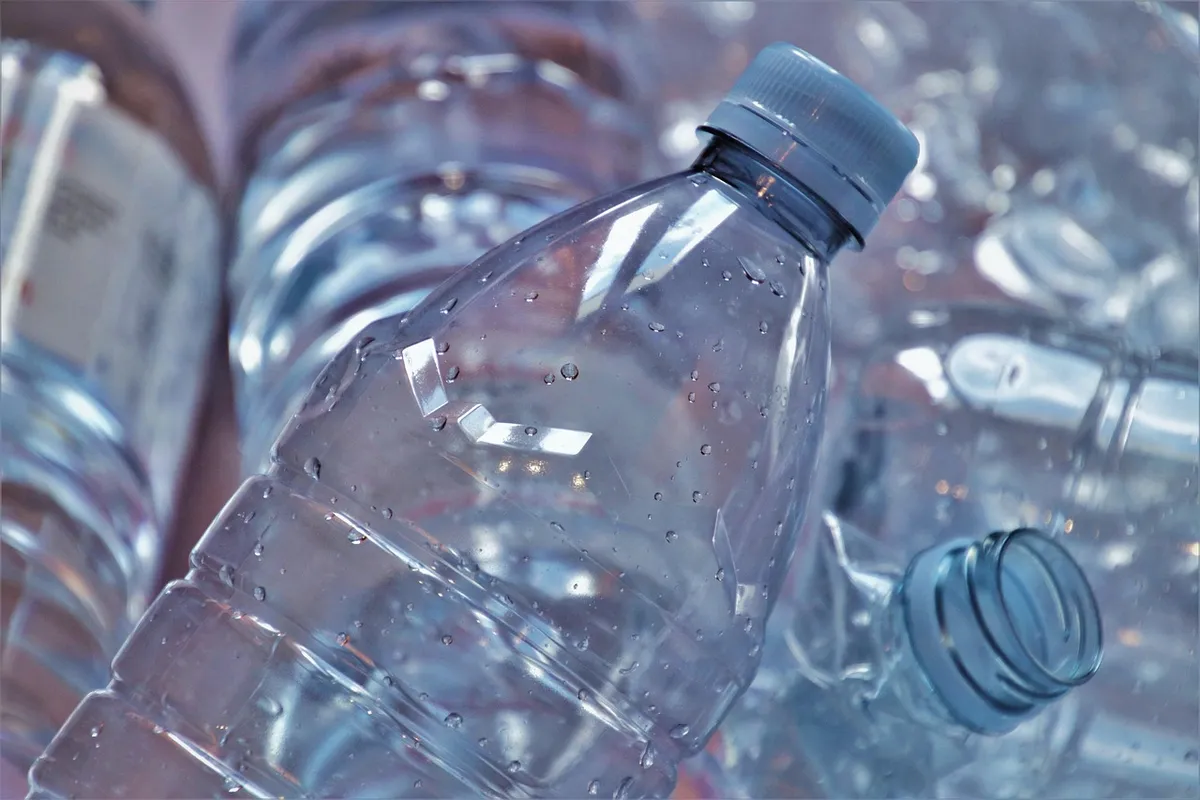
The scale of plastic usage varies significantly across different industries and regions. For instance, packaging accounts for approximately 40% of plastic usage, while building and construction makes up about 20%.
In the developing world, these ratios shift, such as in India where 42% of consumption is used in packaging. These diverse applications make the implementation of new EU waste directives complex for global supply chains.
What are the steps for addressing plastic restrictions?
An analyst marks three specific points on a white-board during a strategy meeting. Developing a response to new laws requires a structured approach to compliance and mitigation.
To prepare for shifting regulations, organizations can follow these procedural steps:
- Evaluate the current use of intentionally added microplastics within product formulations to align with ECHA proposals. 2. Assess the total volume of plastic waste generated to meet potential reduction targets. 3. Review the scientific data regarding atmospheric and oceanic microplastic levels to understand long-term liability.
I noticed during my own review of these documents that the transition from voluntary guidelines to mandatory restrictions requires significant technical adjustment.
One limitation is that the effectiveness of these rules depends heavily on the ability to monitor microplastic quantities in various environments, such as the ocean.
Comparison of Plastic Usage and Waste

A technician compares two different samples of recycled material on a workbench. Understanding the current state of plastic management helps clarify the necessity of new laws.
| Category | Usage/Statistic |
|---|---|
| Packaging Usage | 40% |
| Building & Construction | 20% |
The current reality of plastic management shows a significant gap between production and recovery. While production is increasing, the ability to manage waste effectively remains a challenge.
The same subject is also called 2026 plastic use rules.
The same subject is also called Plastic restriction EU 2026.
This part also covers EU plastic reduction targets.
EU plastic reduction targets
Related
- EU data center power rules: why green laws are necessary
- How will PFAS restrictions start to impact global trade?
How does the global community address cross-border plastic waste? International cooperation forms the basis for managing waste that moves across national boundaries. The push for local regulation finds support in global legislative endeavors. This global community effort seeks unified standards as nations progress toward a shared approach to plastic management.
What are the implications of atmospheric particle quantification? New data concerning atmospheric particles alters scientific perspectives on plastic pollution. Understanding these atmospheric impacts is a key factor influencing the future direction of plastic policy within the EU. This scientific quantification informs the regulatory shift.
The global community must reconcile the varying industrial applications of plastic, such as packaging's dominance, with the necessity of international agreements. The complexity arises from the diverse ways plastic is utilized across different sectors.
The condition of monitoring microplastic quantities in various environments, like the ocean, presents a significant technical hurdle for the effectiveness of any new rules.





Comments 0