How will PFAS restrictions start to impact global trade?
"The shift toward stricter chemical oversight represents a fundamental change in how consumer products are manufactured and sold across the European continent."
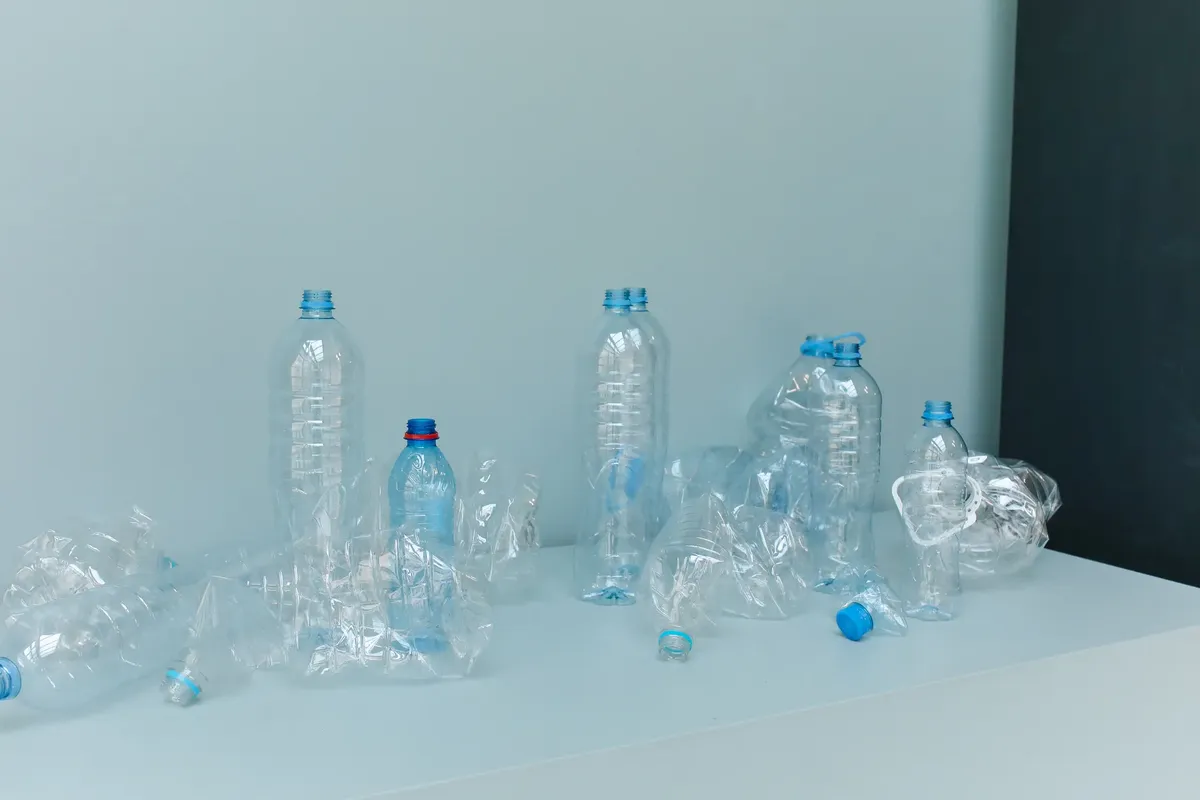
The EU PFAS limits 2026 represent a tightening of chemical regulations designed to reduce the presence of per- and polyfluoroalkyl substances in consumer goods. This policy shift targets the reduction of harmful substances in plastics and cosmetics to ensure higher safety standards.
Key takeaways include a focus on chemical transparency, the impact on global manufacturing, and the specific targeting of persistent pollutants.
How will the EU PFAS limits 2026 change consumer products?

A laboratory technician carefully inspects a batch of new cosmetic bottles, looking for trace residues of restricted substances. The shift toward stricter chemical oversight represents a fundamental change in how consumer products are manufactured and sold across the European continent.
The EU PFAS limits 2026 will necessitate a move toward alternative materials in manufacturing. This change forces companies to reformulate products to meet declining allowable thresholds.
According to a report by the US FDA, in 2021, up to 1.4% of cosmetics sold in Europe contained PFAS. This data highlights the specific presence of these substances in European markets.
The EU plastic reduction plan will likely drive innovation in non-PFAS polymers. Companies must find functional replacements that do not compromise product integrity.
However, the impact may be limited for products where no viable chemical alternatives currently exist.
What are the primary drivers behind the EU plastic reduction plan?
At dusk, a policymaker will rub his tired eyes while staring at a stack of papers on his wooden desk.
A policymaker reviews a thick stack of environmental reports, noting the persistence of chemical contaminants in the water supply.
The primary driver is the environmental persistence of these chemicals, which do not break down easily in nature. Regulators aim to prevent bioaccumulation in the food chain.
PFAS restrictions start to take effect as lawmakers prioritize long-term ecological health over short-term manufacturing convenience. This move addresses the buildup of "forever chemicals" in the environment.
The EU chemical control strategy seeks to harmonize safety standards across all member states. This ensures a level playing field for all companies operating within the single market.
The second driver listed here is the most significant.
How will PFAS restrictions start to impact global trade?
A shipping container sits on a dock in Rotterdam, waiting to be cleared through customs.
Global manufacturers must adapt their supply chains to meet European standards to maintain market access. Failure to comply could result in restricted entry into the European Economic Area.
The EU plastic reduction plan forces a global shift in chemical production. Suppliers outside Europe will need to align with these specific purity requirements.
The EU chemical control landscape will require rigorous documentation. Companies will need to prove their products meet the new safety thresholds.
These changes do not apply to goods already circulating in the market prior to the enforcement date.
What does the future of plastic use look like under these rules?
An engineer tests a new bio-based plastic sample, checking its durability against traditional fluorinated materials.
The future of plastic use will involve a transition toward more biodegradable or easily recyclable materials. This shift aims to reduce the total volume of persistent waste.
The EU plastic reduction plan will prioritize materials that do not require PFAS for water or grease resistance. This will change the composition of food packaging.
The EU chemical control framework will likely expand to other sectors. Regulators may look at other persistent substances following this model.
The transition period will vary depending on the specific material type.
How will new EU environmental rules affect industry compliance?
A compliance officer cross-references a product ingredient list with a new regulatory database.
New EU environmental rules will require more frequent testing and reporting. Companies will need to invest in advanced analytical chemistry to detect trace amounts.
The PFAS restrictions start to reshape industry-wide quality control protocols. Every stage of production must account for potential contamination.
The EU plastic reduction plan will necessitate a complete overhaul of certain manufacturing processes. This will require significant capital investment in new technologies.
- Identify current chemical usage within the supply chain.
- Evaluate available alternatives to meet new standards.
- Implement updated manufacturing processes.
What are the challenges of chemical substance limits?
A quality control specialist uses a high-precision pipette to prepare a sample for testing.
One major challenge is finding functional equivalents that match the performance of PFAS. These substances are often used for their unique heat and water-repellent properties.
The EU chemical control process will involve complex negotiations between industry and regulators. Balancing economic viability with safety remains a constant tension.
The EU plastic reduction plan might lead to temporary supply chain disruptions. As companies switch materials, consistency across product lines may vary.
I find that the second step in this process is the most complex.
The same subject is also called Plastic use decrease.
Related




Comments 0