Data Center Energy Use: EU Moves to Regulate Growth by 2026
"The digital world is no longer invisible; it is a massive, energy-hungry machine that requires a physical footprint."
The European Union is moving toward a mandatory sustainability grading system for data centers to curb the sector's massive environmental impact. This shift aims to align the rapidly growing digital infrastructure with the continent's strict climate goals and energy efficiency standards.
Key Takeaways * The EU is introducing a mandatory sustainability grading system targeting the environmental impact of data centers. * Data centers represent a significant and growing portion of global electricity consumption, necessitating urgent oversight.
* The push is driven by the need to reconcile the digital boom with long-term climate and energy stability.
Why is the EU focusing on data center sustainability now?
At midnight, a technician wipes sweat from her forehead while walking through a chilled corridor where the heavy hum of cooling fans vibrates through the floor.
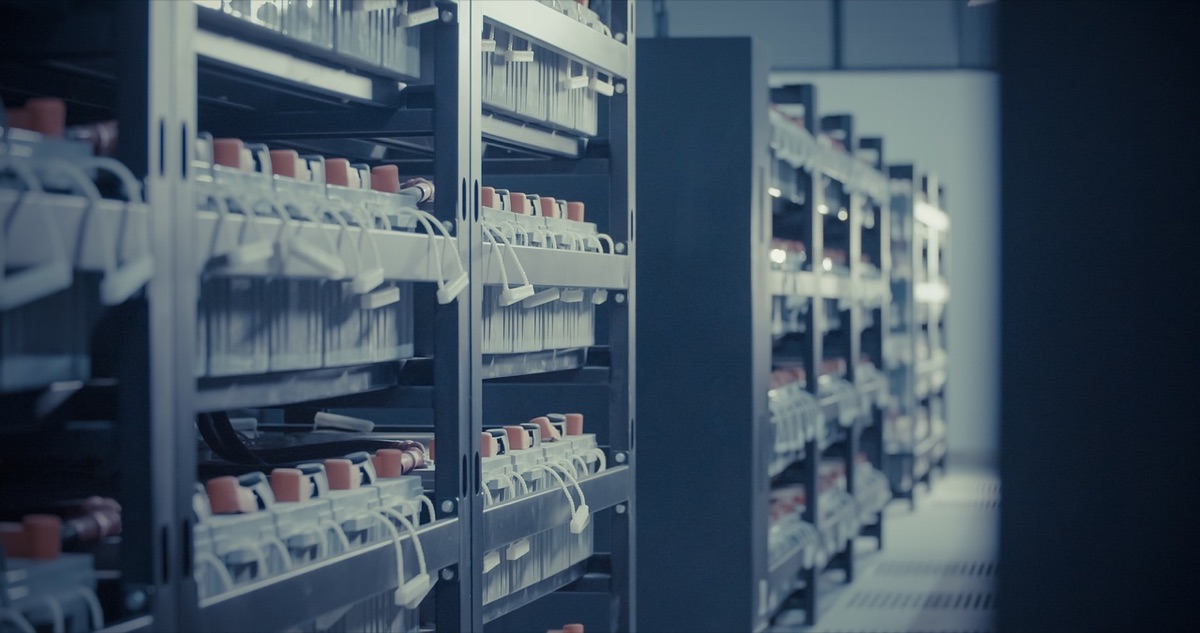
At 3:00 AM, a technician walks through a silent, chilled corridor of servers, where the hum of cooling fans masks the massive energy pull from the local grid. The air is bone-dry and smells faintly of ozone and heated metal.
This invisible consumption is becoming too large to ignore as the digital economy expands.
The shift toward regulation is a response to the sheer scale of the digital footprint. As more services move to the cloud and AI demands surge, the physical infrastructure required to run them consumes vast amounts of power.
The EU is moving to ensure that the growth of the digital sector does not come at the expense of the green transition.
The regulatory shift is about accountability. For years, the growth of the internet and cloud services felt abstract, but the physical reality of massive server farms is catching up to policy.
Regulators are now looking at how to manage this growth so it doesn't destabilize local energy markets or derail carbon neutrality targets.
The push is driven by the need to reconcile the digital boom with long-term climate and energy stability. But the conversation is about more than just electricity.
What is the proposed sustainability grading system?
In a glass-walled office during the afternoon, a bureaucrat stares at a glowing screen while the scent of fresh coffee lingers in the air.
A bureaucrat in a glass-walled office in Brussels reviews a spreadsheet of energy metrics, looking for a way to turn abstract efficiency into a standardized score. The cursor blinks on the screen, waiting for a decision on how to weigh carbon versus water usage.
This is the foundation of the new grading framework.
The proposed system aims to create a standardized "sustainability rating" for data centers across the EU. This isn't just a suggestion; it is a framework designed to incentivize efficiency and penalize operations that fail to meet specific environmental benchmarks.
By creating a visible grade, the EU hopes to drive investment toward greener technologies and more efficient cooling and power management.
The timeline is focused on the mid-term, with frameworks and implementation steps being developed to lead up to 2026. This gives the industry time to adapt while setting a clear deadline for compliance and transparency.
The goal is to make sustainability a core metric of operational success, rather than an afterthought.
However, the transition won't be seamless. The real challenge lies in the sheer magnitude of the current energy appetite.
The scale of the challenge: How much energy is actually being used?
A massive industrial complex stretches across a desert landscape, its sprawling footprint visible from miles away, drawing immense power from the surrounding territory. The heat shimmering off the rooftops makes the facility look like a mirage.
According to the International Energy Agency, electricity consumption from these data centers amounts to around 415 terawatt hours (TWh), about 1.5% of global electricity consumption in 2024. This is not a static figure; the sector has seen a growth rate of 12% per year over the last five years.
The concentration of this energy use is also a major factor. A report from the Lawrence Berkeley National Laboratory estimated that hyperscale and colocation centers contained 74% of the computer servers in 2023.
This concentration means that a relatively small number of massive facilities are responsible for a huge portion of the sector's total energy and resource demand.
| Metric | Value/Description |
|---|---|
| Global Electricity Share (2024) | Approx. 1.5% (415 TWh) |
| 5-Year Annual Growth Rate | 12% |
| Server Concentration (2023) | 74% in hyperscale/colocation |
When I first looked at these numbers, the 12% growth rate felt abstract until I realized it meant the energy demand nearly doubles every few years. The scale is staggering. But the growth isn't just a number on a page; it represents a looming shift in how we use power.
What are the future risks and potential impacts?
A local resident stands on a porch at dusk, looking out at a line of transmission towers, wondering if the massive new data center nearby will cause their own electricity bills to rise. The quiet neighborhood feels different with the low-frequency hum in the distance.
A study published by the Electric Power Research Institute in May 2024 estimated that data centers could consume between 4.6% and 9.1% of the country's electricity generation by 2030. As the industry grows, the strain on local and national power grids becomes a central political and economic issue.
This level of demand could compete directly with residential and industrial needs, creating tension over energy pricing and availability. The need for compliance and transparency will become more intense as these frameworks take hold.
Companies will need to provide granular data on water usage, and cooling efficiency to maintain their standing.
Failure to comply could lead to higher operational costs or even restricted access to certain markets. But how exactly will companies navigate this new landscape?
How to prepare for the new sustainability standards
To manage the transition, companies and regulators are looking at a specific set of operational shifts. If you are involved in the industry, the following steps outline the likely path toward compliance and operational stability.
- Audit Current Consumption: Conduct a full baseline assessment of energy and water usage across all facilities to establish a starting point.
- Implement Efficient Cooling: Transition from traditional air cooling to liquid cooling or advanced heat exchange systems to lower the Power Usage Effectiveness (PUE) ratio.
- Integrate Renewable Sources: Secure long-term power purchase agreements (PPAs) with renewable energy providers to offset the carbon footprint.
- Monitor and Report: Establish real-time monitoring systems to provide the granular data required by the EU's upcoming grading framework.
- Optimize Hardware Lifecycle: Implement circular economy practices to manage the turnover of servers and electronic waste.
These steps are necessary, but they aren't always easy to implement. There are significant trade-offs to consider.
Limitations and Trade-offs It is important to note that these sustainability measures often require massive upfront capital investment.
While greener technology reduces long-term costs, the initial cost of upgrading cooling systems or moving to renewable grids can be prohibitive for smaller players.
Additionally, these regulations may favor large-scale "hyperscale" providers who can afford the technology, potentially creating a barrier to entry for smaller, local data centers.
Beyond energy: The broader digital and legal context
A legal expert examines a thick file of privacy violations, noting how the digital and physical worlds often collide in the eyes of the law. The room is quiet, save for the sound of turning pages and the soft click of a pen.
While the energy debate is central, the EU is also managing the legal and ethical complexities of the digital age. This includes issues like data privacy and the protection of user information.
For instance, the Irish Data Protection Commission recently imposed a €345 million fine on TikTok for violations related to children's data privacy and insufficient safeguards.
These issues represent two sides of the same coin: the management of the digital era. While the energy debate focuses on the physical impact of the hardware, privacy and data governance focus on the impact of the software and the information it processes.
Both require robust, standardized regulation to ensure the digital economy remains sustainable and safe.
FAQ
What is the primary goal of this EU initiative? The goal is to implement a sustainability grading system that controls and incentivizes the environmental impact and energy efficiency of data centers.
How much energy are these centers currently using? In 2024, data centers accounted for approximately 1.5% of global electricity consumption, totaling about 415 TWh.
When is this regulation expected to take effect? The current push and the development of frameworks are aimed at implementation and standardized reporting leading up to 2026.





Comments 0