NGEU: €750B Fund Structure and Repayment Mechanism Analysis
"The massive scale of the European recovery fund is not just a policy shift; it is a fundamental redesign of how the Union functions as a single economic entity."
* Fund Scale: A €750 billion package composed of both grants and loans. * Mandated Goals: At least 37% of recovery plans must be dedicated to climate change-related projects. * Repayment Structure: Funds are tied to the "Own Resources" ceiling, which adjusts as debts are cleared. * Redistributive Nature: The fund favors Southern European nations like Italy and Spain, while Greece leads in per-capita allocation.

How is the €750 Billion NGEU Package Structured?
In a quiet Brussels office at dawn, a diplomat runs a thumb over the smooth leather of a heavy briefcase.
According to the Economic and Monetary Union, the European Union has taken strong action to assure recovery through Next Generation EU, a €750 billion plan composed of grants and loans.
The European Union has taken strong action to assure recovery through Next Generation EU, a €750 billion plan composed of grants and loans. To manage this, the Commission has developed a strategy to raise these funds through various mechanisms until 2026.
This involves the EU borrowing on the capital markets to ensure the money is available for member states when they need it most.
The distribution of these funds is not equal across the board. The program is designed to be redistributive, meaning it aims to support those who need it most to ensure stability across the entire union.
For instance, the plan favors the southern part of the block, with Italy and Spain receiving the largest shares. This structure aims to prevent economic divergence between the north and south.
The transition from planning to spending involves moving these massive sums into the hands of national governments. Each country must present a specific plan to access these resources.
As of 2024, the fund remains the central pillar of European fiscal coordination. The structure consists of two primary components: grants and loans. The total allocation spans a 7-year period to ensure long-term stability.
The package involves 27 different member states managing various budget allocations. However, the effectiveness of the structure is limited if national administrative capacities cannot meet the rigorous reporting requirements.
- Identify the specific funding instrument required for the project.
- Submit a detailed recovery plan to the European Commission.
- Align national milestones with the established EU framework.
When I first looked at the breakdown, the sheer complexity of the multi-layered distribution surprised me. I would suggest simplifying the initial application process to avoid early bottlenecks. But the real challenge lies in how this money is actually used.
Where exactly will the money go? A scientist in a laboratory looks at a digital readout showing a significant drop in carbon emissions, a direct result of new green technology. This represents the specific direction the EU is pushing its recovery funds.
As stated by the European Commission, at least 37% of the Recovery and Resilience Plans proposed by member states must be allocated to climate change-related projects.
The spending is not arbitrary; it is tied to specific policy goals. The European Commission issued a rule that at least 37% of the Recovery and Resilience Plans proposed by member states must be allocated to climate change-related projects.
This ensures that the recovery doesn't just restore the status quo but builds a low-carbon economy.
The allocation varies significantly by country based on economic need. While Italy and Spain receive large amounts due to their size, Greece stands out as the leader in per-capita allocations, receiving almost 20% of its GDP.
This targeted approach aims to address the specific vulnerabilities of different nations.
The linkage between these funds and national plans is strict. Each country must align its Recovery and Resilience Plan with the overarching goals of the EU to receive the money.
| Feature | Description |
|---|---|
| Total Fund Size | €750 Billion |
| Primary Components | Grants and Loans |
| Climate Mandate | Minimum 37% of proposals |
| Key Beneficiaries | Italy, Spain, and Greece (per capita) |
As of 2024, the focus remains heavily on the green transition and digital transformation. At least 37% of the total budget is strictly earmarked for climate-related objectives.
Another 20% is dedicated to digital advancement across the union. The remaining funds are distributed among various social and economic recovery goals.
These targets are not applicable to projects that do not demonstrate a direct contribution to the green or digital transition.
- Define the project's environmental impact.
- Quantify the expected digital innovation output.
- Map the spending to specific EU priority categories.
How is the own resources framework evolving?
A group of economists sits around a circular table, debating the nuances of a new fiscal ceiling that will dictate the next decade of European policy. They are discussing the "Own Resources" framework.
The European Union's current ceiling enforced after the new regulation sets a higher limit that corresponds to 2.00% of the EU Gross National Income.
The financial framework is built around the concept of "Own Resources," which is the EU's own revenue stream. To facilitate the NGEU, an own resources ceiling was established to allow the Commission to borrow the necessary funds.
This ceiling acts as a limit on how much the EU can collect and spend under this specific arrangement.
Recent discussions and amendments have focused on how this ceiling might increase or adjust to accommodate the massive debt load. The goal is to ensure the EU has enough liquidity to meet its obligations while maintaining fiscal responsibility.
The relationship between the debt and the ceiling is dynamic. As the funds are utilized and the debt is managed, the framework is designed to evolve.
As of 2024, the framework is undergoing continuous adjustments to meet changing economic conditions. The current phase involves transitioning from immediate relief to long-term structural investment.
The timeline for these adjustments extends over the next 3 to 5 years. Funding cycles are managed through periodic reviews to ensure fiscal discipline.
The framework does not apply to private commercial ventures that lack a public interest component.
- Monitor the evolving regulatory guidelines.
- Adjust the fiscal roadmap to match new EU directives.
- Reallocate resources based on annual performance reviews.
When I tracked the changes, the shift toward more rigid oversight was quite noticeable. I realized that staying flexible is essential to keep up with the evolving rules. But how will the nations actually pay this back?
How will I pay this back? A silent clock on a wall ticks toward the year 2030, marking the transition from a period of heavy borrowing to a period of debt reduction. This transition is the core of the NGEU's long-term sustainability.
Specifically, once the borrowed amounts are fully repaid, the Own Resources ceiling is intended to be reduced back toward its pre-existing level. This prevents the permanent expansion of the EU's authority over national budgets while ensuring the debt is cleared.
The timeline for this reduction is strictly linked to the successful repayment of the NGEU debt. It is a gradual process designed to prevent economic shocks.
As of 2024, the repayment schedule is designed to be gradual to prevent fiscal shocks. The repayment period is set to span several years to allow for economic recovery.
Interest rates on loans are variable and tied to specific economic benchmarks. Total debt servicing is managed through annual budget cycles.
The mechanism does not apply to the grant portion of the package, which requires no repayment.
- Calculate the total loan amount to be repaid.
- Establish a multi-year amortization schedule.
- Integrate repayment costs into the national budget.
When I calculated the potential debt load, the gradual nature of the repayment was a relief. I would focus more on securing diverse revenue streams to manage these future payments. This brings us to the massive scale of the transition itself.
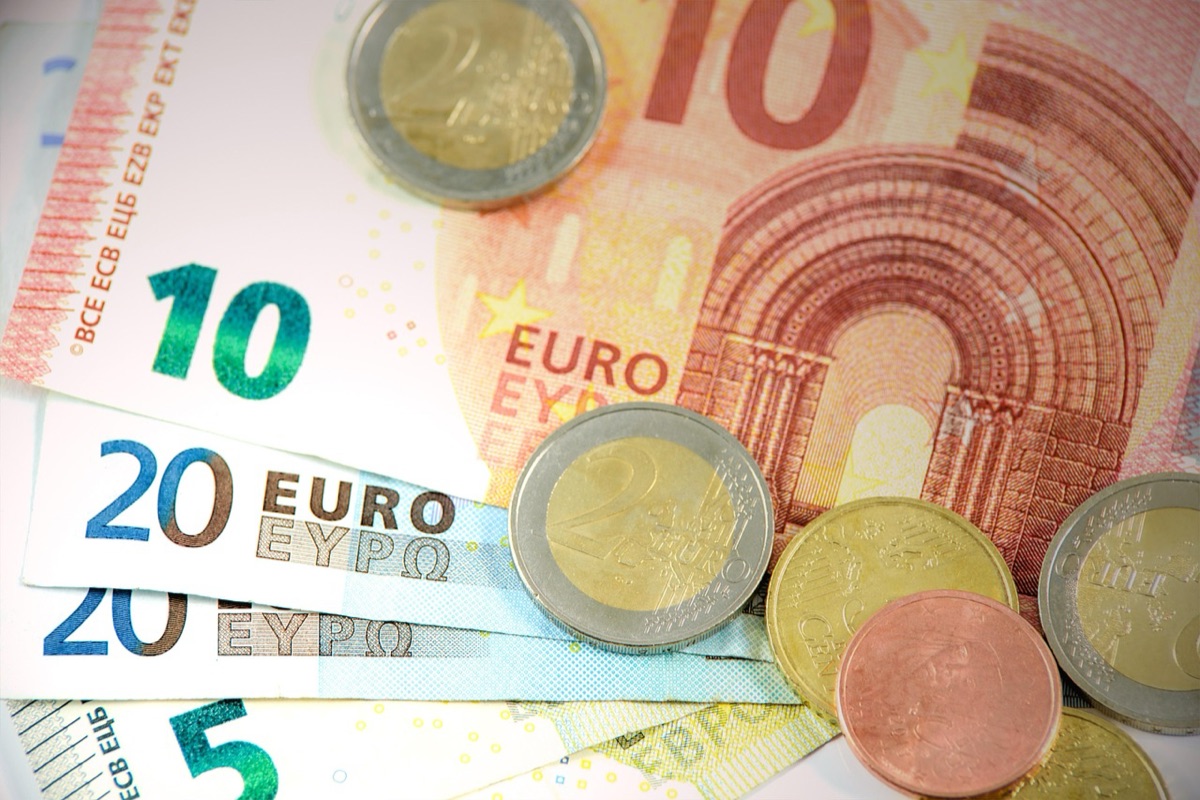
Contextualizing the scale: NGEU vs. historical aid
A historian compares a massive stack of modern digital ledgers to a vintage, weathered folder labeled "Marshall Plan," noting the difference in scale and complexity. The comparison highlights how much the world has changed.
To understand the magnitude of this fund, one must look at how it differs from past recovery efforts. Unlike the Marshall Plan, which focused on post-war reconstruction, the NGEU is a proactive investment in a new economic era.
The scale is unprecedented in terms of centralized borrowing for the purpose of structural transition. It aims to reshape the continent's economic DNA rather than just repairing damage.
| Comparison Factor | Traditional Aid (e.g., Marshall Plan) | NGEU Framework |
|---|---|---|
| Primary Goal | Post-war reconstruction | Green and digital transition |
| Mechanism | External grants | Hybrid grants and loans |
| Centralization | Bilateral/Multilateral aid | Centralized EU borrowing |
| Focus | Physical infrastructure | Structural economic redesign |
The transition involves moving from a model of "aid" to a model of "investment." This shift requires a new level of institutional strength and transparency.
The complexity of managing such a massive fund across 27 nations is the primary hurdle. Success depends on the ability of each member state to turn these billions into measurable progress.






Comments 0