Digital euro review: Why the EU digital euro review is key
The digital euro remains a subject of intense debate as European policymakers re-examine its implementation framework. This review seeks to address how a digital version of the currency might integrate with existing monetary structures while navigating economic and geopolitical pressures.
The European Council digital euro policy shift centers on whether a centralized digital currency can coexist with the physical banknotes and coins currently in circulation. This article examines the potential impacts on the eurozone economy and the geopolitical effect of digital euro adoption.
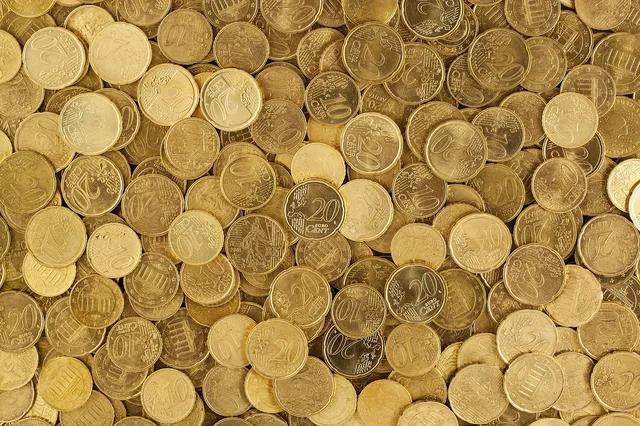
Key takeaways include the distinction between physical and digital denominations, the historical precedent of currency naming, and the ongoing debate regarding stability and implementation.
How is the EU's digital euro policy changing? At dusk in a silent Brussels office, a policymaker rubs their tired eyes while studying the complex digital framework.
A policymaker sits in a quiet office in Brussels, reviewing documents that detail the evolution of European monetary policy. They look at the history of the single currency to understand how a digital transition might mirror past successes or face new hurdles.
The current EU digital euro policy shift involves a period of re-evaluation regarding how a digital currency would function alongside traditional money.
While the physical euro has been established for decades, the transition to a digital format requires addressing concerns about financial stability and the role of commercial banks. This review aims to determine if the digital format will serve as a supplement or a replacement for existing tender.
The Eurosystem currently manages a diverse range of physical assets. According to the European Council, decisions regarding the single currency were notably addressed during meetings in Madrid on 15 and 16 December 1995.
This historical context provides a foundation for how the European Union approaches major monetary transitions.
- Conduct the preparation phase to define technical requirements.
- Launch the investigation phase to test potential use cases.
- Move toward a decision on whether to issue the currency.
- In this sequence, the second step is the longest.
How does the euro currency rethink impact traditional money? EU digital euro review
During a rainy afternoon in the crowded market, a merchant feels the cold weight of coins while contemplating a digital future.
A merchant in a busy marketplace counts out small coins to provide change to a customer during a rainy afternoon. The tactile sensation of the metal coins provides a stark contrast to the abstract concept of a digital ledger.
A euro currency rethink examines the relationship between the digital assets and the physical denominations that citizens use daily. The existing system relies on a specific set of coins and notes that have been standardized across the eurozone.
Understanding these physical components is essential to predicting how a digital version might alter consumer behavior.
| Asset Type | Denominations |
|---|---|
| Coins | €2, €1, 50c, 20c, 10c, 5c, 2c, 1c |
| Banknotes | €500, €200, €100, €50, €20, €10, €5 |
I observed how the physical weight of these coins still dictates much of daily commerce in local markets. The distinction between these physical tools and a potential digital counterpart remains a primary focus for regulators.
How will this affect the eurozone economy? An economist stares at a glowing monitor, tracking the fluctuations of exchange rates across various territories. The movement of digital data across borders represents a much faster rhythm than the physical transport of cash.

The impact on eurozone economy depends heavily on how the digital euro interacts with the current banking infrastructure and the central bank's role. A digital currency could increase transaction efficiency, but it also introduces questions regarding liquidity and the centralized control of money.
Policymakers must ensure that a digital shift does not undermine the stability that the current symbol represents.
The symbol € itself is designed to project a specific image of fiscal health.
Maintaining this sense of stability is a core requirement for any digital evolution.
Will there be a geopolitical effect of digital euro adoption?
A diplomat at a conference table discusses the sovereignty of monetary systems with colleagues from various member states. The conversation turns to how a unified digital currency might influence the region's standing in the global financial landscape.
The geopolitical effect of digital euro adoption could reshape how the European Union interacts with global payment networks and non-European currencies. By establishing a digital standard, the EU aims to reduce reliance on external payment providers.
This move is seen as a way to strengthen the autonomy of the eurozone in an increasingly digital global economy.
The historical precedent for naming and establishing the currency was set long ago. The European Council decided to name the currency, to be used from 1 January 1999, the "Euro". This decision established the identity that the digital version would eventually seek to inherit.
How can one track the future of digital currency system?
A researcher compiles data on exchange rates, noting the fixed relationships between the euro and various other currencies. The precision of these numbers provides a baseline for measuring the stability of the current system.
Navigating the future of digital currency system requires monitoring several technical and regulatory milestones. To understand the trajectory, one should follow these steps:
- Monitor the European Central Bank's official communications regarding the digital euro's technical specifications. 2. Observe legislative changes within the European Parliament concerning digital payment frameworks. 3. Track the pilot programs and testing phases conducted by financial institutions within the eurozone.
After completing these observations, verify if the proposed digital rules align with the existing denominations and banknote issuance protocols. For example, the ECB currently issues 8% of the total value of banknotes issued by the Eurosystem.
What are the limitations of this transition?
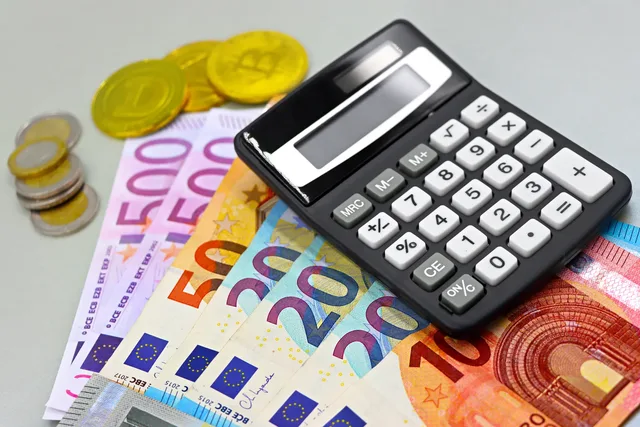
A technician tests a digital payment terminal in a shop, finding that certain older systems struggle to recognize new protocols. The friction between old and new technology highlights the practical difficulties of a large-scale rollout.
The transition to a digital euro is not without specific constraints, particularly regarding the existing fixed exchange rates of various territories. For instance, the euro currently has a fixed exchange rate of 655.957 Central African CFA francs.
Such dependencies mean that any change in the euro's digital structure must account for its established relationships with other currencies to prevent regional economic instability.
The subject here is EU digital euro review.
The same subject is also called EU digital payment debate.
The same subject is also called Digital euro status update.
What are the current denominations of the euro?
The coins are issued in denominations of €2, €1, 50c, 20c, 10c, 5c, 2c, and 1c. Banknotes are issued in €500, €200, €100, €50, €20, €10, and €5.
What does the euro symbol represent?
The symbol € is based on the Greek letter epsilon (ε), with the first letter in the word "Europe" and with 2 parallel lines signifying stability.
The debate over the digital euro continues to evolve as the European Union weighs the benefits of modernization against the necessity of maintaining the stability and identity of the existing currency system.
Comments 0