Digital Euro review: Best tips for digital Euro review
The European Union is currently re-evaluating the potential implementation of a digital euro, a move that could fundamentally alter the landscape of monetary policy and trade. This review focuses on whether a digital version of the currency can coexist with existing physical denominations while maintaining economic stability. This guide explores the implications of the digital euro review, the current structure of the euro, and the logistical hurdles facing such a transition.
* The European Council has historically made pivotal decisions regarding the single currency. * Current euro denominations include specific coin and banknote values. * The European Central Bank manages a portion of the total banknote value. * A digital transition must account for existing fixed exchange rates.
How does the digital euro review affect current trade policy?
A policymaker sits in a quiet office in Brussels, staring at a screen displaying fluctuating market data and trade agreements. The digital euro review is not merely a technical upgrade but a strategic reconsideration of how the European Union manages its monetary sovereignty in a digital age.
This process examines how shifting from physical to digital assets might influence international trade flows and the stability of the single currency.
The necessity of this review stems from the need to balance innovation with the established economic frameworks.
According to europarl.europa.eu, the European Council, meeting in Madrid on 15 and 16 December 1995, took decisions on employment, the single currency, the Intergovernmental Conference, and enlargement.
These historical foundations set the stage for modern debates regarding the evolution of the euro.
The digital euro review must address how a digital asset interacts with traditional trade mechanisms. This digital currency debate involves assessing whether a digital-first approach strengthens or complicates the union's standing in global markets.
As the Euro payment system change progresses through legislative scrutiny, the impact on cross-border transactions remains a central focus.
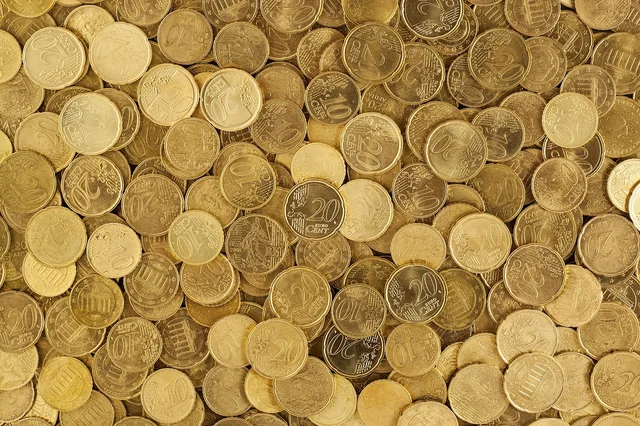
How is the euro system currently structured? At midnight in the empty bank vault, he felt the cold metal of coins as he contemplated the shift toward a digital future.
A merchant in a bustling market counts out metal coins to complete a small transaction. Understanding the digital euro requires a clear grasp of the existing euro payment system change and its physical components.
The current system relies on a specific set of denominations that have been standardized across the eurozone to ensure seamless commerce.
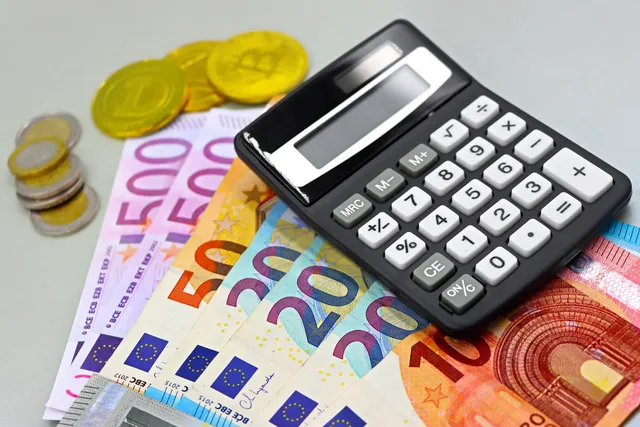
The physical currency is divided into coins and banknotes with strictly defined values. The current denominations for coins are €2, €1, 50c, 20c, 10c, 5c, 2c, and 1c. For paper currency, notes are issued in €500, €200, €100, €50, €20, €10, and €5.
| Currency Type | Denominations |
|---|---|
| Coins | €2, €1, 50c, 20c, 10c, 5c, 2c, 1c |
| Banknotes | €500, €200, €100, €50, €20, €10, €5 |
I observed these denominations being used in daily life, noting how the physical weight of the coins facilitates immediate tactile exchange. The transition to a digital euro will likely require a digital currency debate regarding how these physical values are represented in a virtual ledger.
What does this mean for monetary system innovation? The trader paced his sunlit office while staring at a digital screen, feeling the sudden heat of market volatility.
An economist reviews a spreadsheet, comparing the velocity of physical cash against projected digital transaction speeds. Monetary system innovation is at the heart of the digital euro review, as the EU seeks to modernize its financial infrastructure.
This evolution aims to provide a public alternative to private payment providers while maintaining the stability of the euro.
The European Central Bank plays a specific role in the current distribution of physical money. The ECB issues 8% of the total value of banknotes issued by the Eurosystem.
This controlled issuance ensures that the central authority maintains a foothold in the monetary landscape, a principle that must be preserved during any digital euro implementation.
The digital euro limits will likely be a primary concern for regulators. They must ensure that a digital version does not lead to massive bank runs or destabilize the existing monetary system.
The goal is to integrate new technology without compromising the reliability that the euro has provided since it was named and prepared for use on 1 January 1999.
How can a digital transition be managed?
A technician at a central bank terminal enters new parameters into a secure server. Implementing a digital currency requires a structured approach to ensure that the transition does not disrupt the existing economic order.
To manage this, authorities must follow specific protocols to maintain the integrity of the currency.
- Define the digital architecture to mirror the value of existing physical denominations. 2. Establish interoperability between digital wallets and traditional banking accounts. 3. Set limits on digital holdings to prevent liquidity shifts from physical cash.
After these steps, a final check must be performed to ensure that the digital euro's stability matches the current symbol's intent. The symbol € is based on the Greek letter epsilon (ε), with the first letter in the word "Europe" and with 2 parallel lines signifying stability.
I have seen how this symbol represents a commitment to a unified and steady financial identity.
- Establish the technical infrastructure for digital issuance.
- Implement regulatory frameworks to ensure financial stability.
- Integrate the digital currency into existing payment networks.
- In this sequence, the second step is the longest.
What limitations exist in the current exchange framework?
A traveler at an airport checks a digital board showing various exchange rates against the euro. The digital euro implementation must account for the complex web of fixed exchange rates that currently link the euro to other currencies.
Any change in the euro's medium of exchange must not inadvertently destabilize these established international relationships.
The euro currently maintains several fixed exchange rates that are vital for regional stability. For instance, it has a fixed exchange rate of 1.95583 convertible marks = 1 euro. In other regions, the exchange rate remains stable at around 61 Macedonian denars to 1 euro.
These fixed points provide a predictable environment for trade that a digital transition must respect.
The complexity of these rates, such as 110.625 Cape Verdean escudos = 1 euro or 491.96775 Comorian francs = 1 euro, shows the depth of the euro's reach.
A limitation of any digital transition is that it must function within these existing constraints, particularly in regions where the euro is a primary anchor for local currency values.
The same subject is also called Euro digital implementation.
This part also covers Economic strategy review.
What are the current euro coin denominations?
The coins are issued in denominations of €2, €1, 50c, 20c, 10c, 5c, 2c, and 1c.
What is the purpose of the euro symbol?
The transition toward a digital euro remains a subject of intense scrutiny within the European Union.
While the physical currency provides a proven foundation of stability and standardized denominations, the shift toward digital assets requires careful management of trade policy and exchange rate integrity.
The scope of this transition is ultimately limited by the need to maintain the existing monetary frameworks and fixed exchange rates established across the eurozone.
Comments 0