Swedish parliament EU committee role: How to guide EU issues
A formal meeting room in Stockholm hosts the delicate exchange of diplomatic views between the legislature and the executive branch.
The Swedish Committee on European Union Affairs serves as the primary venue where the Riksdag and the Swedish Government consult on matters and issues regarding the European Union.
This body ensures that negotiating positions are established before high-level meetings of the European Council or the Council of the European Union.
Key takeaways: 1. The committee facilitates consultation between the Riksdag and the Swedish Government. * It determines Sweden's negotiating positions prior to significant EU Council meetings. * The committee's role involves ensuring government actions align with parliamentary views.
How does the Swedish parliament EU committee role function?
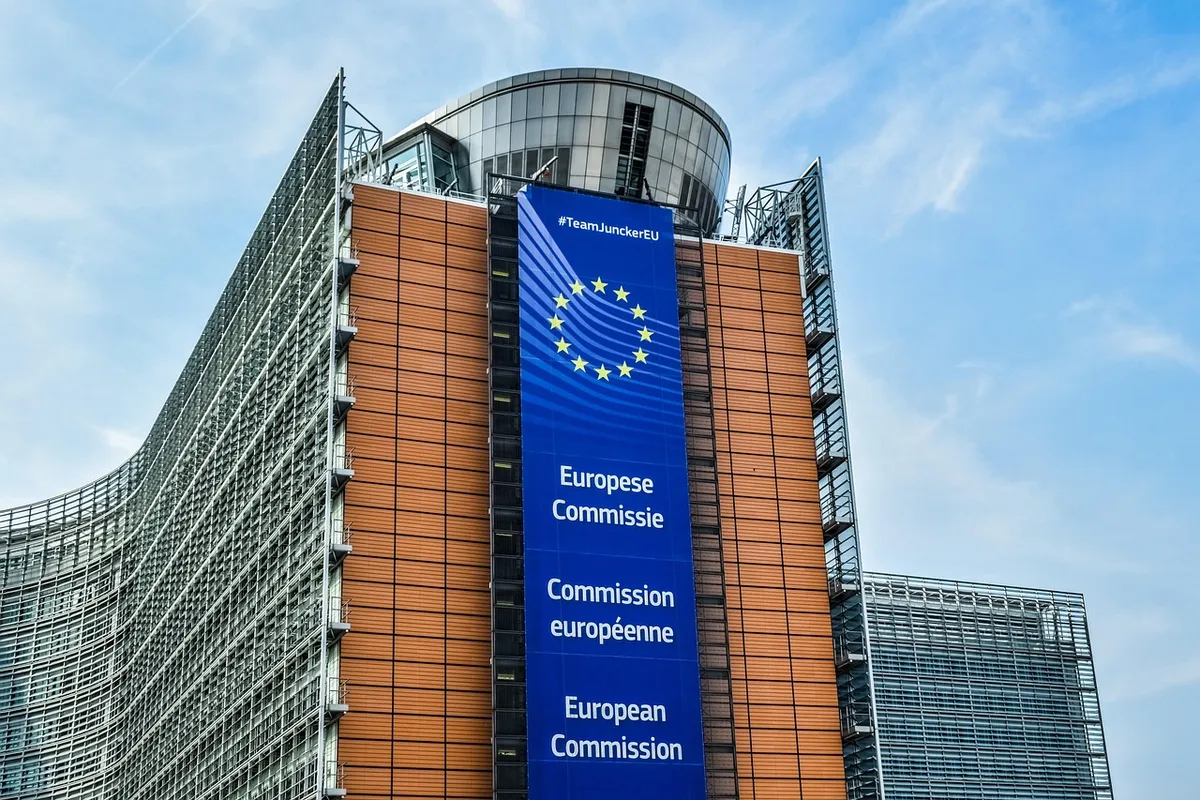
Inside the quiet Stockholm chamber, a lawmaker leans forward to grip a heavy pen while reviewing the Swedish policy documents.
A legislative session begins with members reviewing policy documents that will shape future national positions. The Swedish Committee on European Union Affairs, known in Swedish as *nämnden för Europeiska unionen* or *EU-nämnden*, acts as a governmental body within the Riksdag.
It provides a structured environment where the Riksdag and the Swedish Government consult on various European Union issues.
According to the provided documentation, the committee functions as a space for political coordination. This process ensures that the government and the legislature remain aligned on EU-related matters.
The committee's structure allows for the preparation of negotiating positions before they reach the international stage.
The committee's purpose is to clarify the intersection of national law and EU directives. By engaging in these discussions, the Riksdag maintains oversight of how EU policies affect Swedish domestic life.
This oversight helps prevent friction between the government's executive actions and the parliament's legislative intent.
What are the primary ways of managing EU issues in Swedish parliament?
Diplomats and politicians gather to debate the nuances of a single directive before traveling to Brussels. Managing EU issues in Swedish parliament requires a specialized structure to handle the complexities of supranational governance.
The committee serves as the central hub for this coordination, ensuring that the Swedish negotiating position is set before the European Council meets.
The role of the Swedish parliament EU committee involves more than just debate; it involves setting the stage for international diplomacy. By determining positions in advance, the committee provides a clear mandate for the government.
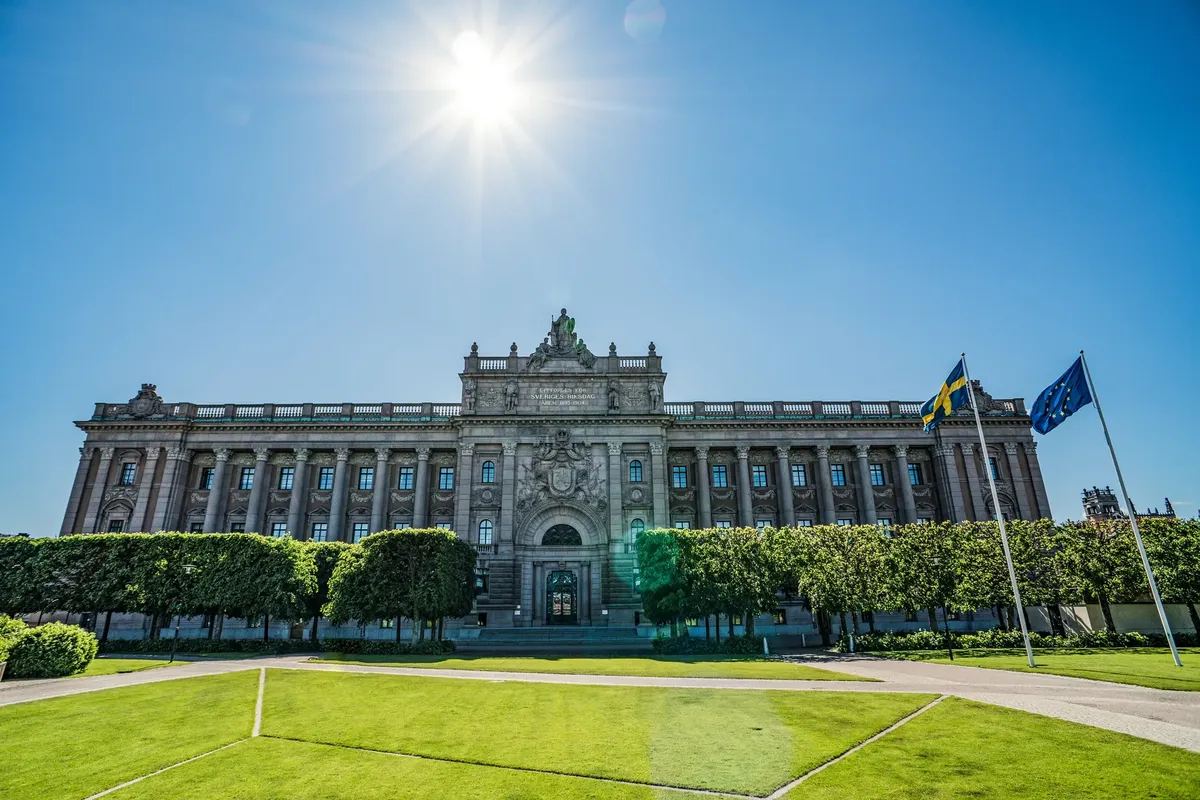
This prevents sudden shifts in policy that could undermine Sweden's standing in the European Union.
The process of managing these issues has evolved through various institutional proposals.
This ensures that the legislative branch remains a meaningful participant in the decision-making process.
According to World Bank, the 2024 record includes 20.6%.
How is the Parliamentary EU consultation body structured?
A committee chair calls for order as seventeen members prepare to vote on a proposed position. The Swedish Committee on European Union Affairs currently consists of 17 members.
This group is tasked with the specific responsibility of anchoring EU-related issues within the Swedish political landscape.
The structure of the committee was informed by historical precedents and comparative studies of other parliamentary bodies.
For example, the committee was set up with a clear role model in the Danish Folketinget's Marketing Committee (*Markedsudvalget*), which is a special committee for the consideration and anchoring of EU-related issues.
The committee's work involves deep dives into technical regulations and political strategies. Members must balance national interests with the collective goals of the European Union. This balance is maintained through regular meetings and rigorous debate among the 17 members.
What defines the Swedish EU affairs committee influence?
A government minister arrives at the committee room to present a draft position for parliamentary review. The Swedish EU affairs committee exerts influence by providing a platform for the Riksdag to voice its views on European matters.
This influence is characterized by a commitment to consultation and the establishment of clear negotiating stances.
The influence is not merely advisory but is rooted in the relationship between the government and the legislature.
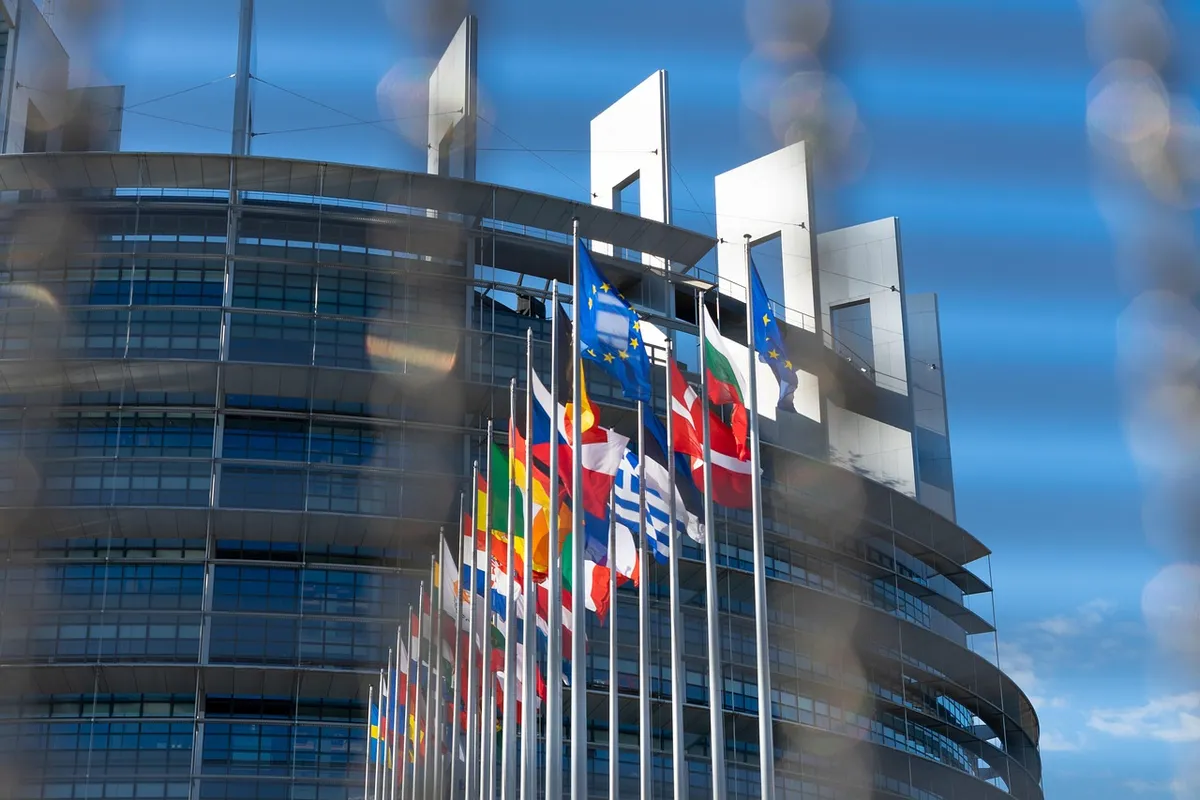
According to a 2001 report from the Constitutional Committee, which followed the Riksdag Board's proposal "The Riksdag for the 2000s," there is an affirmation of sharper writing regarding the Government's commitment to the EU Committee's views.
This means the government is expected to respect the outcomes of these discussions.
The committee also serves to prevent the government from acting in isolation on EU matters. By providing a venue for oversight, the committee ensures that the executive branch does not deviate from the consensus reached during parliamentary consultations.
How do Government talks on EU matters work in practice?
A representative prepares a briefing note to ensure the government's position is consistent with parliamentary feedback. Government talks on EU matters are shaped by the advice and positions provided by the committee.
The relationship is designed to ensure that the government's actions are not only legal but also politically supported by the Riksdag.
Instead, the government should act in accordance with the committee's advice and positions.
This expectation fosters a cooperative environment between the two branches of power.
This principle reinforces the weight of the committee's decisions in the broader political process.
| Aspect | Description |
|---|---|
| Committee Membership | 17 members |
| Primary Function | Determination of negotiating positions |
I observed how the 17 members worked to refine a single position before a major council meeting.
How can we understand the Swedish EU committee work?
A researcher looks through historical reports to understand how the committee's role was established. Understanding the Swedish EU committee work requires looking at both its functional tasks and its historical development.
The committee's role is to facilitate the essential dialogue between the Swedish government and the parliament regarding European Union affairs.
The process of developing this role included evaluating different organizational models. In the past, the Constitutional Inquiry discussed whether such consultations should take place in the Foreign Affairs Committee or other specialized committees.
This period of reflection helped shape the current specialized structure.
The committee's work is also compared to similar bodies in other nations. For example, in Finland, committees have been active in EU issues, often submitting opinions to the Grand Committee, which is the Finnish equivalent of an EU committee.
- How does the Swedish parliament EU committee role function?
- What are the primary ways of managing EU issues in Swedish parliament?
- How is the Parliamentary EU consultation body structured?
Related





Comments 0