Western Balkans EU accession best: Political hurdles guide
"The integration of the Western Balkans has been a priority for the European Union since the early 2000s, seeking to stabilize a complex geopolitical landscape through structured enlargement."
The Western Balkans EU accession process relies on a specialized framework known as the Stabilisation and Association Process to manage the unique regional circumstances.
This path involves rigorous progress monitoring and complex diplomatic negotiations to ensure candidate states meet Union standards.

Key takeaways include the historical priority set in Thessaloniki, the specific regulatory framework for the region, and the requirement for unanimous council decisions regarding candidate status.
How did the Western Balkans EU accession process begin?
A diplomat sits in a quiet hall in Thessaloniki, reviewing notes from the 2003 summit. This historical moment defined the trajectory for the region.
The 2003 European Council summit in Thessaloniki set integration of the Western Balkans as a priority of EU expansion. This decision established the foundational intent to bring these nations into the European fold.
Such a move aimed to ensure long-term stability through political and economic alignment.
The expansion plan for the region has evolved significantly since that initial summit. On 6 February 2018, the European Commission published its expansion plan, which covers the six Western Balkan countries. This plan serves as a roadmap for the current generation of applicants.

However, the initial momentum may be limited if geopolitical stability fluctuates.
What is the specific framework for the region?
An analyst grips a heavy binder in her bright office, studying the unique western framework.
A policy analyst examines a thick binder labeled "Stabilisation and Association Process" in a bright office. The document outlines the unique rules for these nations.
In the case of the Western Balkans, a special process, the Stabilisation and Association Process exists to deal with the special circumstances there. This framework allows for a tailored approach to integration. It addresses the specific historical and political realities of the Balkan states.
The move to the Enlargement directorate was a consequence of the advancement of the Stabilisation and Association process. This structural change reflected the increasing importance of the region within the Union's administrative framework.
It ensured that the unique needs of the Balkans were addressed at a high level.
- Identification of regional requirements
- Alignment with European standards
- Implementation of the stabilization and association process
How are candidate countries assessed?
A commissioner reviews a stack of yearly reports under a desk lamp. The meticulousness of the evaluation process is evident in the paperwork.
These reports are issued yearly to ensure constant monitoring. Such oversight keeps the momentum of reform moving forward.
This creates a dual layer of oversight and direct negotiation.
It ensures that both administrative standards and political realities are addressed.
This assessment process is not applicable to non-candidate states seeking informal cooperation.
What are the political hurdles for Kosovo?
A council member waits for a decisive vote in a large, silent chamber. The tension of the pending decision hangs in the air.
This requirement for unanimity creates a significant political hurdle.
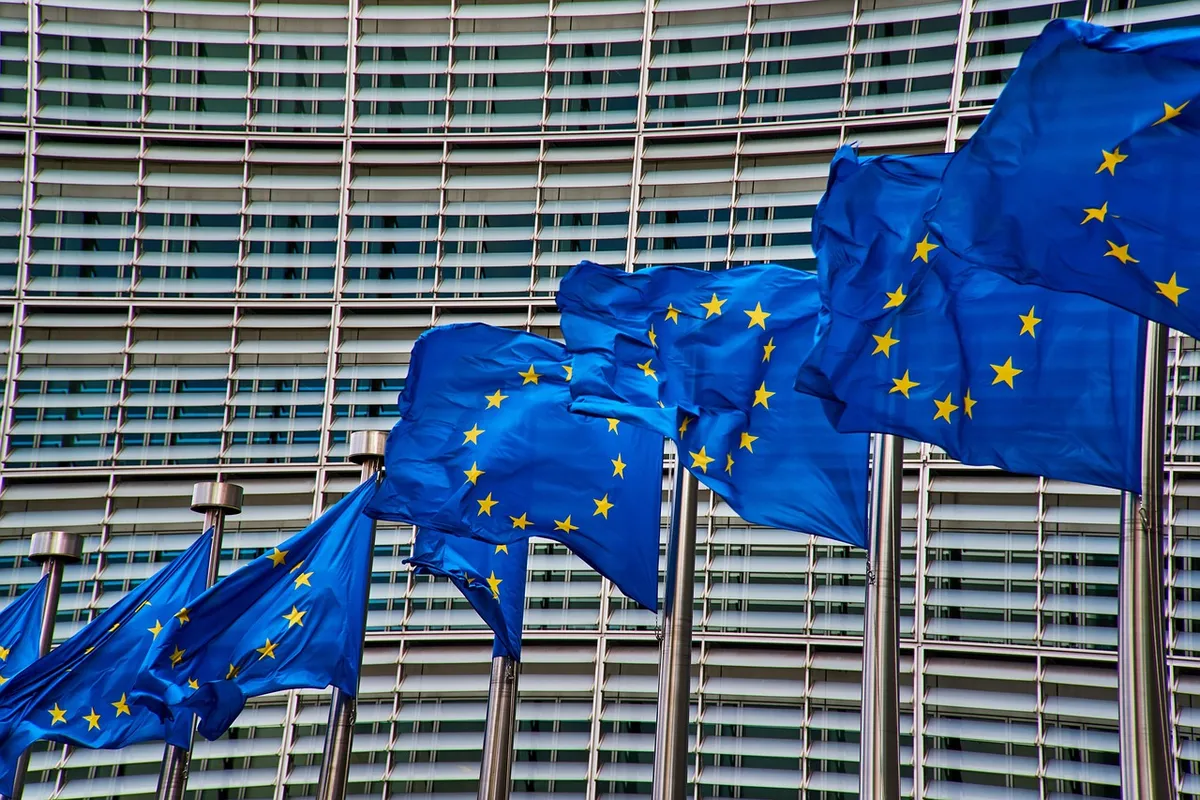
Such a consensus is necessary to move the application forward.
The political issues in the Balkans EU context often hinge on these decisive council votes. This creates a complex environment where regional stability meets administrative rigor. Every step toward membership requires careful diplomatic navigation.
In this sequence, the second hurdle is the most complex.
How does the enlargement process compare to previous waves?
A historian compares old maps of the 2004 enlargement to current regional boundaries. The shifting borders of Europe tell a story of constant change.
Part of the same wave of enlargement was the accession of Bulgaria and Romania in 2007, who were unable to join in 2004, but, according to the European Commission, constitute part of the fifth enlargement. This historical context shows how waves of expansion are often staggered.
It highlights the varying speeds at which different nations join the Union.

The EU path for Western states remains distinct from these previous waves due to the specific regional needs. While the goal of integration remains constant, the methods must adapt to the current political landscape. This creates a unique environment for the Western Balkans.
The comparison does not apply to historical waves that lacked current regional complexities.
The subject here is Western Balkans EU accession.
The same subject is also called EU expansion Balkans.
The same subject is also called Kosovo EU talks.
The same subject is also called Commission enlargement plan.
This part also covers EU accession challenges Balkans.
EU accession challenges Balkans
Related
- Cross border divorce cooperation: Tips for Legal Frameworks
- EU battle group operation: Tips for 6 month rotation
What distinguishes the Western Balkans integration path?
The Western Balkans integration path utilizes a tailored approach that recognizes the specific historical and political realities of the Balkan states.
This tailored approach allows the Stabilisation and Association Process to address circumstances unique to the region, unlike standard enlargement procedures. The framework ensures that the complex geopolitical landscape of the Western Balkans is managed through a specialized mechanism.
The structural change to the Enlargement directorate reflects the increasing importance of the Western Balkans within the Union's administrative framework. This change ensured that the unique needs of the Balkans were addressed at a high level throughout the integration process.
The requirement for candidate states to meet Union standards is managed through rigorous progress monitoring within this specialized framework.
This distinction is not valid when comparing it to standard accession tracks without unique regional constraints.







Comments 0