EU data center efficiency rating: Tips for water usage
"The digital infrastructure of tomorrow requires more than just processing power; it demands a sustainable footprint to survive the shifting climate of global regulation."
The European Union is moving toward a structured EU data center efficiency rating system to manage the growing environmental impact of digital infrastructure.
This initiative aims to standardize how energy and water usage are monitored, ensuring that large-scale computing facilities align with broader climate goals.
Key takeaways include the focus on resource management, the integration of renewable energy, and the potential challenges of large-scale investment projects.
Why is an EU data center efficiency rating necessary?

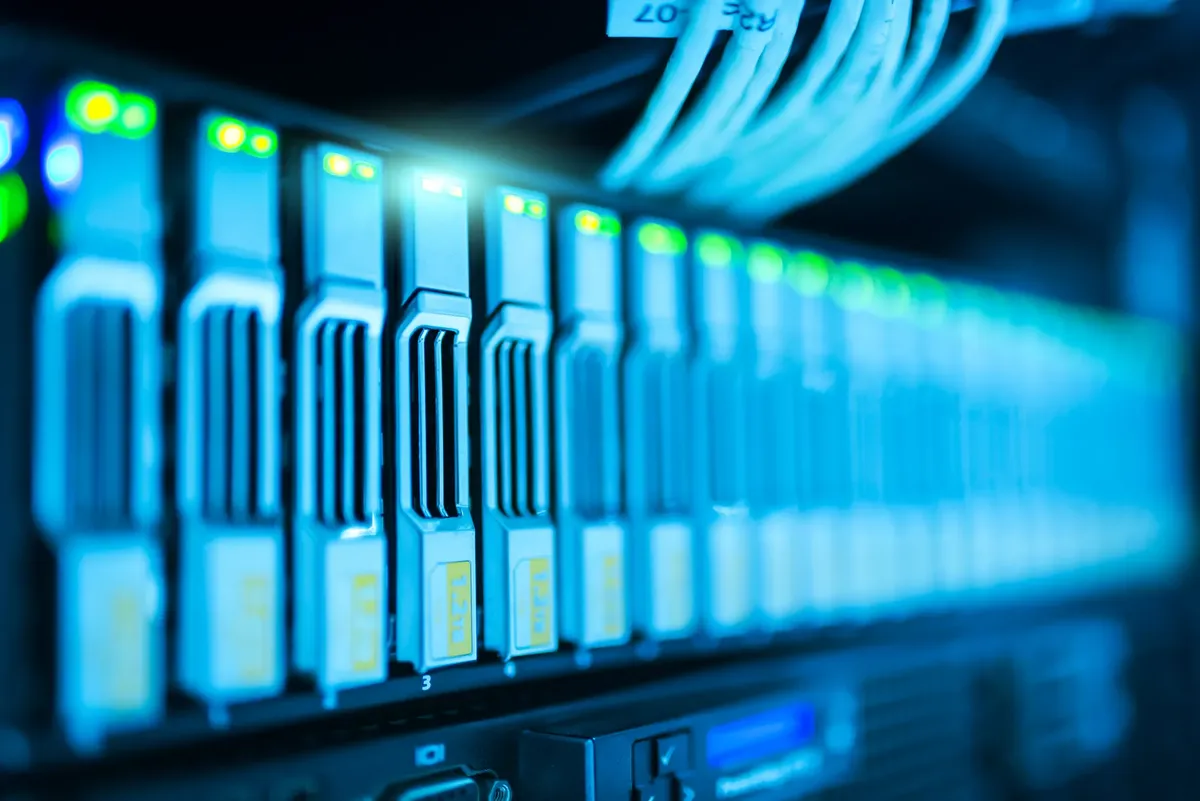
A technician adjusts the cooling system in a silent, temperature-controlled room where rows of humming servers stand ready. This shift toward a dedicated EU data center efficiency rating comes as the demand for massive computing power outpaces current environmental safeguards.
The push for standardized metrics is driven by the massive energy requirements of modern computing. As digital footprints expand, regulators seek to ensure that the infrastructure supporting the digital economy does not undermine climate commitments.
By establishing clear benchmarks, the EU aims to guide operators toward more sustainable cooling and power management.
The existing energy landscape provides a baseline for these new requirements. According to World Bank data, the European Union recorded a renewable energy share of final consumption of 21.1% in 2020.
This baseline suggests that while renewable integration is underway, the transition to greener data centers requires more rigorous, sector-specific standards.
How will the EU energy water rating impact operations?
At midnight, an engineer stares intensely at the flickering screen as the cooling system data reflects a sudden spike in temperature.
An engineer monitors a digital dashboard showing real-time fluctuations in water consumption and electricity usage. The proposed EU energy water rating will likely force operators to account for both the power used to run servers and the water used to cool them.
This dual focus addresses the physical reality of data center management, where heat dissipation often requires significant water resources. An EU energy water rating ensures that efficiency is not just measured by electrical input but by the total environmental cost.
This holistic approach prevents companies from optimizing one metric while causing damage to another resource.
The transition involves balancing high-performance computing with resource conservation. A well-defined EU green data centers framework will allow the industry to move away from fragmented standards toward a unified metric.
Currently, these emerging rules aim to prevent the depletion of local water supplies and the strain on aging power grids.
According to World Bank, the 2020 record includes 21.1%.
What are the risks in the current AI data center plans?
A project manager stares at a complex budget spreadsheet while a construction site for a new facility remains silent in the background. The development of large-scale infrastructure faces significant hurdles, as seen in recent attempts to build massive computing hubs.
According to the Irish Data Protection Commission, the DPC imposed a €345 million fine on TikTok for violations related to children's data privacy and insufficient safeguards for young users.
These setbacks highlight the difficulty of executing large-scale, resource-intensive projects.
Without clear efficiency standards, such massive investments face even greater uncertainty regarding long-term viability.
Managing these risks requires careful planning of both capital and natural resources. The complexity of these projects often leads to friction between technological ambitions and environmental realities.
Addressing these instabilities is a primary reason why standardized efficiency metrics are being prioritized by policymakers.
How can server efficiency standards be implemented?
A technician replaces a faulty component in a server rack, ensuring the airflow remains unobstructed. Implementing new server efficiency standards requires a systematic approach to hardware management and facility design.
To align with coming regulations, operators should consider these three steps:
- Audit current power usage effectiveness and water usage effectiveness across all existing hardware. 2. Integrate renewable energy sources to meet or exceed regional consumption benchmarks. 3. Upgrade cooling technologies to minimize water-intensive evaporation processes.
A final check of these processes ensures that the facility remains compliant with evolving EU environmental policies. This structured approach helps prevent the kind of instability seen in larger, uncoordinated investment plans.
What are the limitations of these new standards?
A group of stakeholders sits in a meeting room, debating the feasibility of strict new environmental mandates. While the goal is sustainability, the practical application of these rules faces specific constraints.
The effectiveness of these standards is limited by the existing technological landscape and the varying availability of renewable energy across different member states.
A limitation is that the current infrastructure in certain regions may not support the rapid transition required by high-density computing.
| Metric Category | Primary Focus |
|---|---|
| Energy Efficiency | Power consumption and renewable integration |
| Water Efficiency | Cooling-related resource management |
The transition to a more sustainable model depends on the ability of hardware to meet these dual demands. Ensuring that the digital economy remains robust while reducing its footprint is the central challenge of these new policies.
- Why is an EU data center efficiency rating necessary?
- How will the EU energy water rating impact operations?
- What are the risks in the current AI data center plans?
The same subject is also called data center climate policy.
This part also covers EU climate change data centers.
This part also covers data center water usage rules.
This part also covers new EU environmental policy.
EU climate change data centers
Related
FAQ
What is the goal of the EU data center efficiency rating?
Are there existing challenges with large-scale data center investments?
Related posts

Digital Euro review EU: How to ensure fair competition

What is the goal of the proposed EU battery regulation?

Why are these new plastic rules happening globally?



Comments 0