EU mobile recycling 60% goal: Tips for hardware recovery
"With the rise of smartphone usage in the medical space, in 2013, the FDA issued to regulate mobile medical applications and protect users from their unintended use, soon followed by European and other regulatory agencies."
The EU mobile recycling 60% goal represents a significant policy shift intended to manage electronic waste through standardized recovery processes. This initiative aims to capture valuable materials from discarded hardware and redirect them back into the production cycle.
Key takeaways include the necessity of regulatory clarity for mobile health software, the importance of manufacturing standards, and the historical context of device safety.
How does the EU mobile recycling 60% goal impact software?
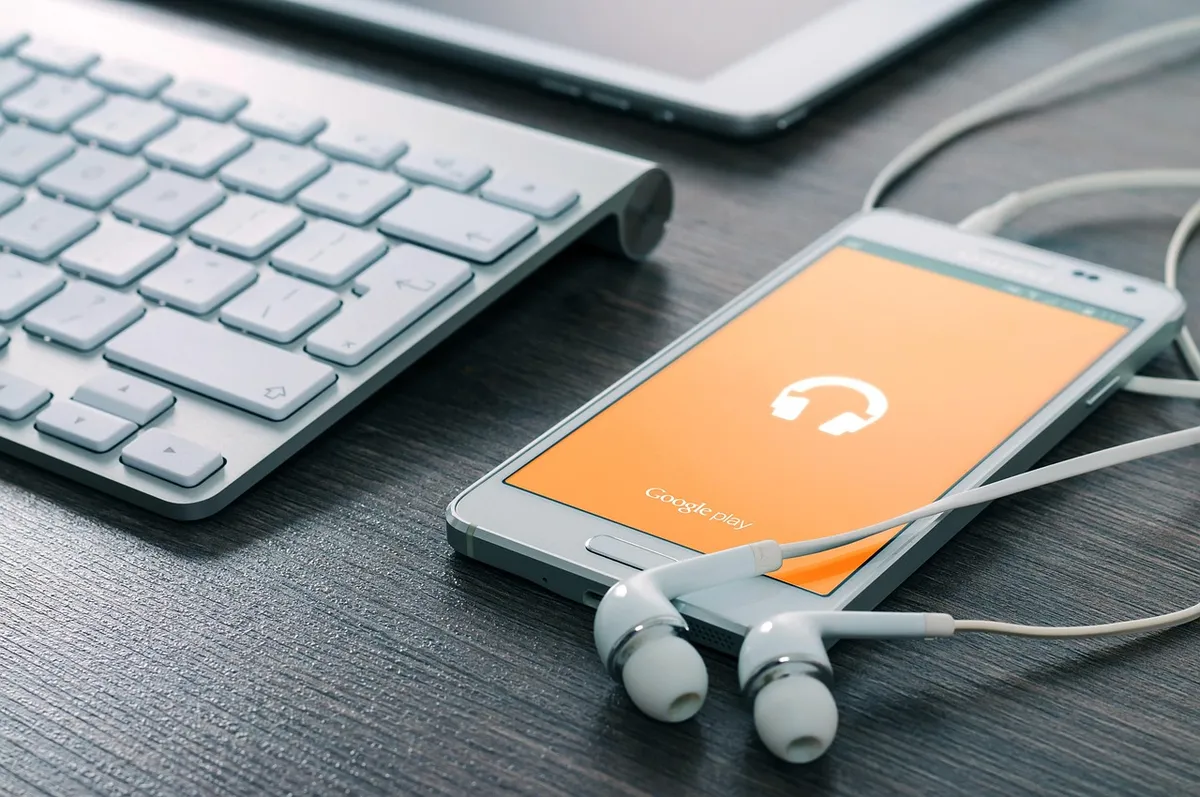
At midnight in the dark office, I rubbed my tired eyes while watching the mobile software update progress slowly on the screen.
A developer stares at a tablet screen, considering how a simple software update might change the physical lifespan of a device. While the goal focuses on hardware recovery, the software environment dictates how long a device remains functional before becoming e-waste.
The regulatory landscape changed significantly when the FDA issued guidance to regulate mobile medical applications and protect users from unintended use.
This move, which was soon followed by European and other regulatory agencies, established the groundwork for managing how digital tools interact with physical hardware. By clarifying which health-related apps are regulated, authorities can better manage the lifecycle of the devices they run on.
According to Wikipedia, the FDA released a draft guidance document on September 25, 2013, to clarify which mobile apps related to health would be regulated and which would not. This distinction helps prevent premature obsolescence by ensuring software remains compatible with hardware standards.
Clearer rules allow for better management of the hardware that supports these critical digital tools.
I find that the second step in this transition is the most extensive.
Which standards must my device follow? A technician inspects a small component, checking it against a list of international quality requirements. Ensuring that every part meets specific criteria is essential for both safety and the ability to recycle components effectively.
According to ISO, ISO 13485:2016 is applicable to all providers and manufacturers of medical devices, components, contract services and distributors of medical devices.
The manufacturing of medical technology requires strict adherence to quality management systems to ensure reliability. ISO 13485:2016 is applicable to all providers and manufacturers of medical devices, components, contract services, and distributors of medical devices.
These standards ensure that the hardware being produced is of a consistent quality, which is vital for any recycling or reuse initiative.
Maintaining these high standards prevents the production of low-quality hardware that cannot be safely processed or repurposed. Because the hardware must meet such rigorous specifications, the materials used are often highly refined.
This consistency supports the broader goal of creating a circular economy through standardized component recovery.
How has cleanliness and safety influenced device design?
An engineer wipes down a stainless steel surface, mindful of the microscopic residues that can compromise a device's integrity. Safety concerns have historically driven changes in how devices are manufactured and how their materials are handled.
Medical device cleanliness has come under greater scrutiny since 2000, when Sulzer Orthopedics recalled several thousand metal hip implants that contained a manufacturing residue. Such incidents highlight the importance of material purity and the risks associated with manufacturing byproducts.
These safety lessons influence how modern mobile devices are built to be both durable and recyclable.
When manufacturers design for safety, they often select materials that are easier to track and process. This focus on purity and cleanliness ensures that when devices are eventually recycled, the recovered materials are of high quality.

Understanding these historical safety failures helps shape the current push for more sustainable manufacturing.
How do I achieve regulatory compliance? A legal consultant reviews a stack of documents, ensuring every mobile application meets the necessary jurisdictional requirements. Compliance is a layered process that involves understanding both software functionality and hardware limitations.
To navigate the complex world of mobile medical software, organizations typically follow these steps:
- Identify whether the mobile application falls under regulatory oversight based on its intended health function. 2. Align software development with hardware standards to ensure longevity and prevent premature disposal. 3. Document all processes to meet international quality management standards for manufacturers and distributors.
A final check ensures that all software updates do not compromise the safety or the intended use of the physical device. This structured approach helps prevent the accidental creation of e-waste through software-driven obsolescence.
| Regulation Type | Primary Focus |
|---|---|
| Software Guidance | Clarifying app regulation and user protection |
| Quality Standards | Manufacturing and distribution consistency |
I observed how these regulatory distinctions shaped the way developers approach hardware compatibility during my review of these standards.
- Conduct a comprehensive audit of current hardware components.
- Implement design changes to facilitate easier material recovery.
- Document all processes to meet mandatory reporting requirements.
What are the limitations of these goals?
A researcher looks at a pile of discarded sensors, noting that not all materials can be easily recovered through current methods. While targets are ambitious, the physical reality of complex hardware presents significant hurdles.
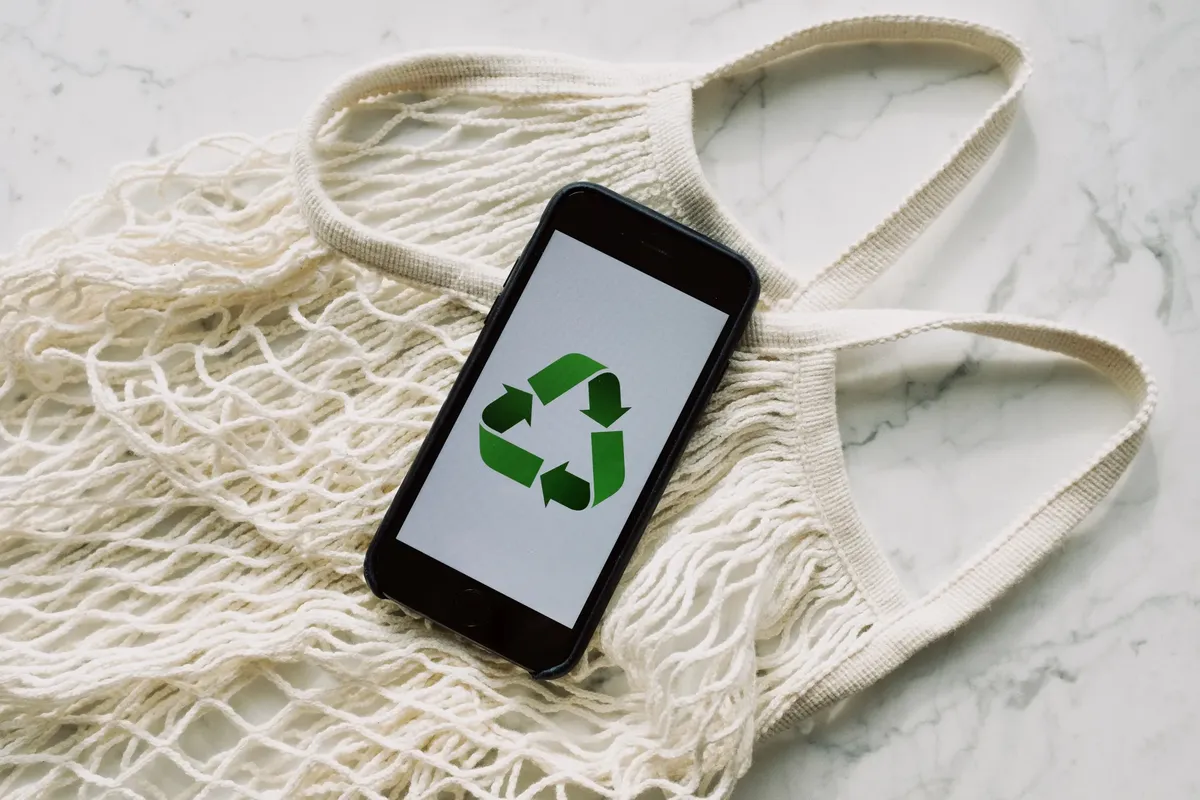
A limitation of these goals is that the complexity of modern integrated circuits can make the extraction of specific materials difficult under current recycling infrastructures. While the goal is to increase recovery, the physical composition of devices remains a challenge.
The subject here is EU mobile recycling 60% goal.
The same subject is also called EU e-waste recycling target.
The same subject is also called 2026 mobile reuse policy.
The same subject is also called EU device recycling rate.
The same subject is also called mobile recycling legislation.
This part also covers EU environmental policy goals.
This part also covers improving recycling technology.
This part also covers plastic use reduction EU.
EU environmental policy goals
Related





Comments 0