EU smartphone battery replacement guide for consumer rights
"The longevity of our most essential devices is often dictated by a single, aging component."
The EU is implementing new regulations to mandate user-replaceable batteries in smartphones by 2027, aiming to extend device life and reduce electronic waste. This shift focuses on consumer rights to repair and environmental sustainability.
Key takeaways include the end of sealed-unit dominance, new requirements for easier access, and the potential to combat hardware obsolescence.
Why is an EU smartphone battery replacement mandate happening?

A technician carefully pries open a device casing to reach a tightly packed internal component. This regulatory move responds to the growing issue of devices becoming obsolete simply because a single part fails.
According to the National Highway Traffic Safety Administration, 995 people were killed by drivers distracted by phones in September 2010.
The initiative seeks to balance consumer rights with environmental protection by ensuring users can swap out tired cells without needing entirely new hardware. For many, an EU smartphone battery replacement means the end of purchasing a new phone just because the power cell has degraded.
As users reach the limit of their hardware, they often face the dilemma of expensive repairs or total replacement. This regulation aims to make the process of an EU smartphone battery replacement more accessible and affordable for the average person.
How does a user replaceable phone battery affect device longevity?
At a cluttered desk, a person carefully slides a fresh battery into an old smartphone, feeling a surge of relief as the screen flickers to life.
A person holds an aging phone that only stays powered for a few hours before needing a charge. This scenario is common as battery capacity may be reduced to 80% after few hundred recharges, and the drop in performance accelerates with time.
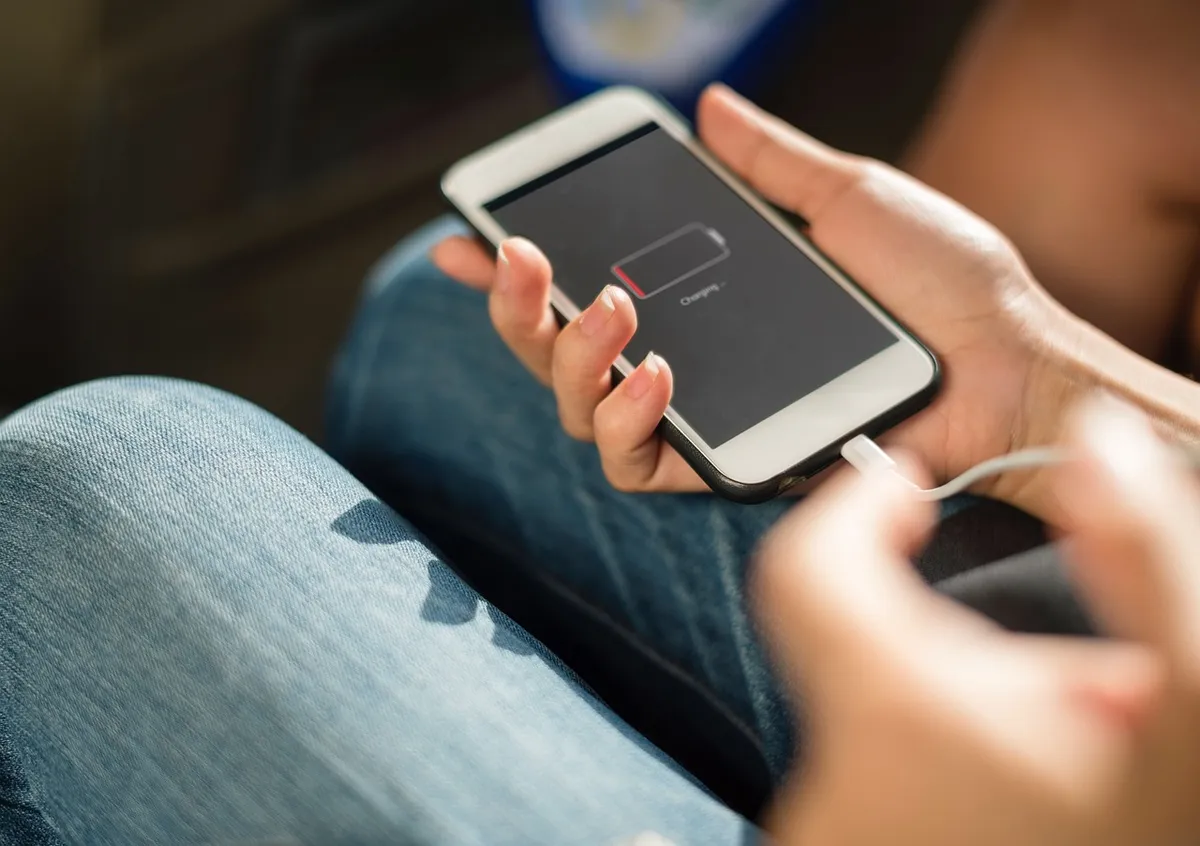
Implementing a user replaceable phone battery directly addresses this natural degradation. By allowing the battery to be swapped easily, the lifespan of the entire handset can be extended significantly beyond the initial chemical life of the first cell.
This change helps prevent the premature disposal of functional hardware. When a user replaceable phone battery becomes the standard, the environmental impact of discarded electronics could decrease as hardware remains in use longer.
What are the implications of EU digital product rules for consumers?
A consumer compares the price of a new smartphone against the cost of a simple repair kit. These new standards represent a significant shift in how hardware is designed and sold to the public.
Under the framework of EU digital product rules, manufacturers must design devices that allow for easier disassembly. This ensures that the tools and parts required for maintenance are available to the general public.
The goal of these EU digital product rules is to break the cycle of planned obsolescence. By making components accessible, the regulations empower users to maintain their devices through simple maintenance rather than constant upgrades.
How will extend phone life EU strategies change the market?
A retail store shelf displays various models of smartphones with different internal layouts. The shift toward more modular designs will require a massive change in manufacturing processes worldwide.

One primary goal is to extend phone life EU-wide by making repairs a standard part of ownership. This approach moves away from the highly integrated, sealed designs that have dominated the industry for the last decade.
Strategies to extend phone life EU-wise will likely include better availability of spare parts and standardized components. This ensures that a single brand's failure to provide service does not result in a useless device.
What are the environmental impacts of battery laws?
A recycling center processes mountains of discarded electronic waste from across the globe. The environmental consequences of short-lived technology are becoming harder to ignore as global sales remain high.
The environmental impacts of battery laws are centered on reducing the volume of e-waste. By making batteries easier to change, the amount of high-tech scrap sent to landfills can be lowered.
Addressing the environmental impacts of battery laws requires a change in consumer behavior and manufacturing. If devices last longer, the demand for raw materials used in new production may stabilize over time.
Comparison of Battery Life and Replacement
| Condition | Potential Result |
|---|---|
| Capacity reduced to 80% | Performance drop accelerates |
| User-replaceable design | Extended device lifespan |
I noticed during a recent repair that many modern phones are nearly impossible to open without specialized tools.
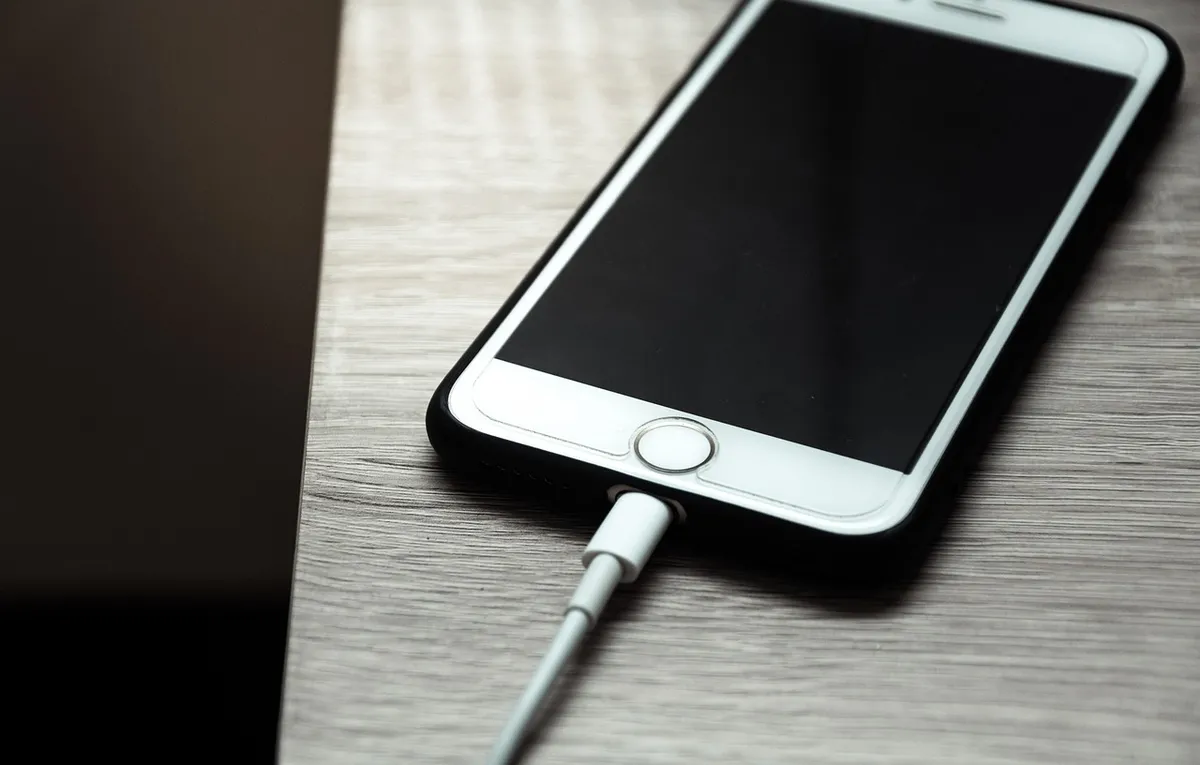
A limitation of this mandate is that it may affect the physical slimness of devices, as easier access often requires more internal space for modularity.
- Why is an EU smartphone battery replacement mandate happening?
- How does a user replaceable phone battery affect device longevity?
- What are the implications of EU digital product rules for consumers?
The same subject is also called EU battery swap mandate.
This part also covers New EU rules for phone batteries.
This part also covers Consumer rights in phone repair.
This part also covers Environmental impact of battery laws.
New EU rules for phone batteries
Related




Comments 0