EU and Georgia relations: How agreements guide progress
"The European Union and Georgia have maintained relations since 1992, following an agreement between the former European Community and the newly independent Georgia."
The history of Georgia's relationship with the European Union is defined by decades of diplomatic evolution and formal agreements aimed at economic and political integration.
This process involves negotiating complex treaties, managing domestic political shifts, and navigating the requirements of the European Single Market.
Key takeaways include the significance of the 2016 Association Agreement, the impact of parliamentary approval on trade, and the historical context of diplomatic ties dating back to 1992.
How did the initial relationship begin?
A diplomat reviews old treaties from the early 1990s to understand the foundation of modern ties. The relationship between the European Union and Georgia began following an agreement between the former European Community and the newly independent Georgia in 1992.
This early interaction set the stage for more formal legal frameworks.
According to Wikipedia, the European Union and Georgia have maintained relations since 1992. This period established the baseline for all subsequent diplomatic efforts. Understanding these origins is essential for tracing the path toward modern integration.
##
A legal expert examines the text of a comprehensive trade agreement to see how it affects market access.
Under the dim light of the office, the expert squinted at the dense text while feeling the weight of the Georgia agreement in their hands.
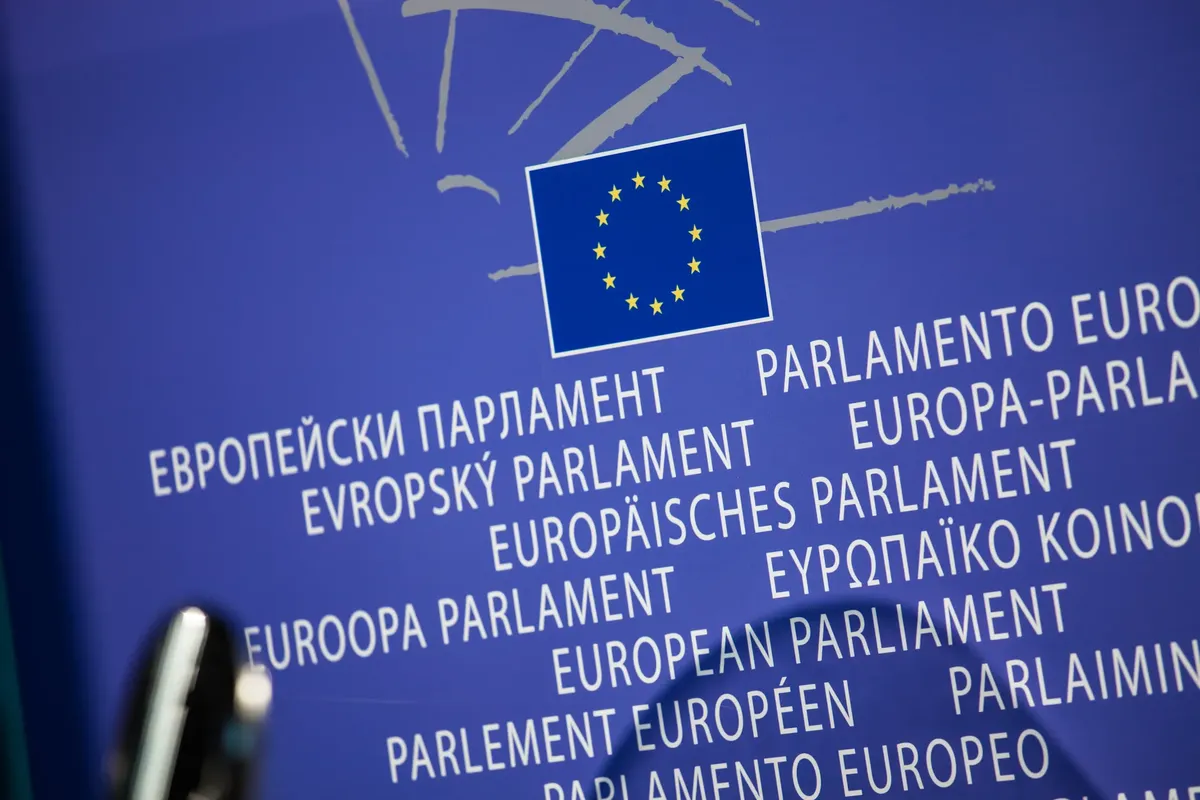
In 2016, a comprehensive Association Agreement between the EU and Georgia went into force, providing Georgia with visa-free travel to the EU, as well as access to some sectors of the European Single Market.
The agreement fundamentally changed how citizens and businesses interact across borders. It provided a structured framework for economic cooperation and movement. This milestone represented a significant shift in the depth of the partnership.
How did the European Parliament influence the process?
A legislator signs a document in a grand hall to finalize a multi-national treaty. On 18 December 2014, the European Parliament approved the Association Agreement. This legislative step was crucial for the formalization of the treaty's terms.
The approval ensured that the agreement met the necessary democratic standards of the Union. It provided the political legitimacy required to move toward implementation. This moment marked a decisive step in the legislative journey.
What were the strategic choices regarding other unions?
A government official discusses regional economic blocs during a high-level meeting. In February 2013, Tamar Beruchachvili, the Deputy State Minister for European and Euro-Atlantic Integration of Georgia, stated that Georgia had no plans to join the Eurasian Economic Union.

This statement highlighted the specific direction Georgia was taking regarding its economic alliances. It also noted that certain paths might be incompatible with existing agreements with the EU. Decisions like these shape the long-term economic landscape of the region.
How do political reports affect international relations?
A security analyst reads a recent government report to assess current stability.
A key development occurred in April 2024 when the country's State Security Service released an Annual Report accusing Western nations of attempting to destabilize the government through hybrid warfare, civil unrest, and ideological influence.
This report introduced a new layer of complexity to the relationship between the state and Western entities. It highlighted internal tensions that could affect diplomatic stability. Such reports often influence how international partners perceive local political environments.
What are the steps for managing such agreements?
A negotiator prepares a checklist of requirements before a summit. Managing an agreement of this scale requires a structured approach to ensure compliance and stability.
- Negotiate the specific terms of the Association Agreement and trade frameworks to align with Union standards. 2. Secure formal approval from legislative bodies like the European Parliament to validate the treaty. 3. Implement the practical aspects of the agreement, such as visa-free travel and market access, following the effective date.
I reviewed the timeline of these agreements to see how the 2016 implementation followed the 2014 approval.
One limitation is that the presence of internal security reports, such as the 2024 report, can complicate the implementation of international agreements.
- How did the initial relationship begin?
- A legal expert examines the text of a comprehensive trade agreement to see how it affects market access.
- How did the European Parliament influence the process?
Related
- Swedish parliament EU committee role: How to guide EU issues
- Next EU economic recovery plan: How to manage debt financing
What challenges accompany the integration process?
The integration process faces hurdles related to domestic political shifts and the demands of the European Single Market. Navigating these internal dynamics requires consistent diplomatic effort from both sides of the relationship.
The initial diplomatic evolution established a foundation, but ongoing political realities affect the pace of integration.
Comparing the early ties to the current framework shows a move toward formalized, legally binding structures. The initial agreement set a baseline, which the Association Agreement later built upon with specific market access provisions.
This progression illustrates a deepening commitment from both the Union and Georgia.
One caution involves the impact of internal security reports on international perception.
Such documents, like the one from the State Security Service, introduce complexities that can affect how the European Union views the local political environment, potentially complicating agreement implementation.
How does the legislative process secure the Union's commitment?
The legislative process ensures that the European Union's commitment meets rigorous democratic standards. The approval by the European Parliament provided the essential political legitimacy for the treaty to proceed. This step formalized the terms established during the initial negotiations.
The requirement for parliamentary approval demonstrates that the Union does not proceed unilaterally in such significant agreements. This mechanism validates the treaty's terms before they become fully operational.
This legislative validation is a critical component of the entire partnership structure.





Comments 0