What is the goal of the proposed EU battery regulation?
"The era of disposable technology is facing a regulatory crossroads as policymakers weigh the longevity of hardware against the convenience of seamless designs."
The EU is considering a mandate that would require smartphone manufacturers to design devices with user-replaceable batteries by 2027. This move aims to extend device lifespans and reduce electronic waste by allowing consumers to swap aging power cells without professional tools.
Key takeaways include the shift toward repairability, the potential impact on hardware design, and the regulatory push for more sustainable consumer electronics.
How will the EU smartphone battery replacement 20so7 mandate change hardware?
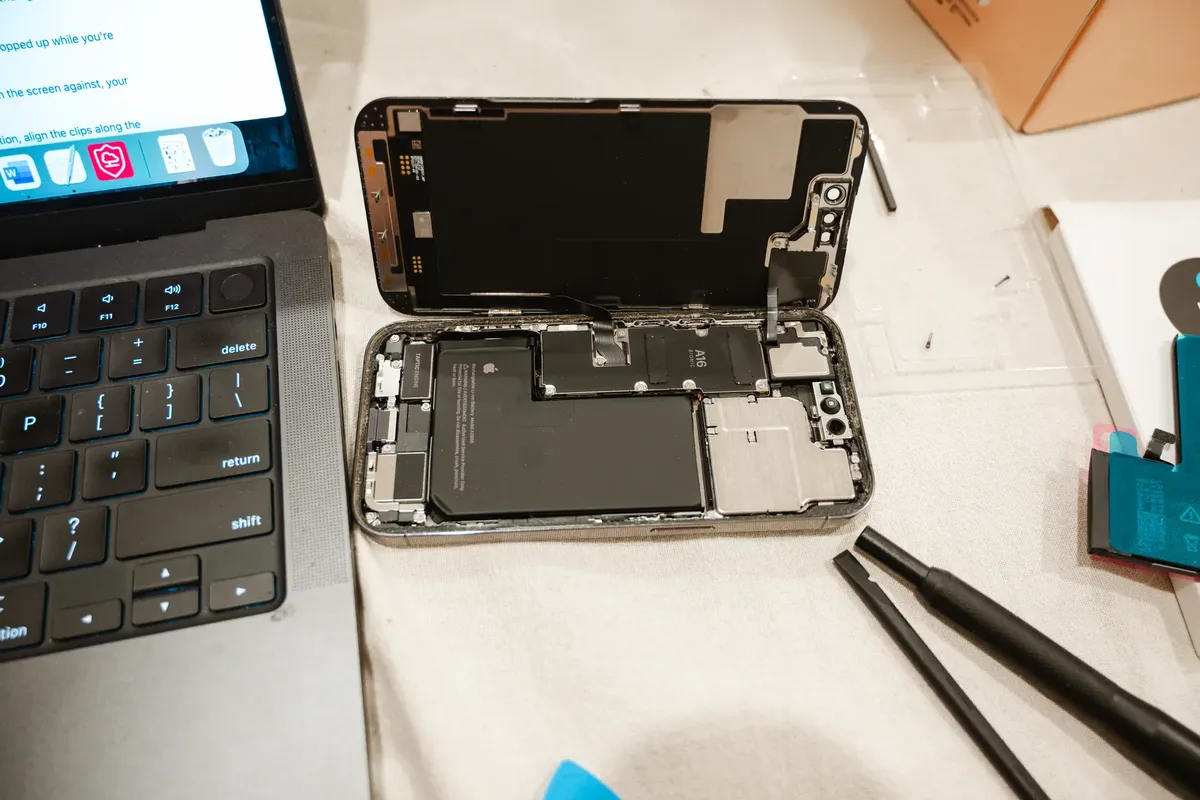
A technician sits at a workbench, carefully prying open a sleek glass-and-metal chassis with a thin plastic tool. The internal components are packed tightly, leaving almost no room for a user to reach the battery.
The proposed regulation focuses on making the battery an easily removable component. Under the current direction, manufacturers would need to ensure that consumers can replace power cells using common tools rather than specialized industrial equipment.
This shift would move away from the glued-in-battery trend that has dominated the industry for years.
This change would fundamentally alter how engineers approach device thickness and water resistance. While current designs prioritize slim profiles through adhesive-heavy assembly, the new rules would require more modular internal structures.
This transition could lead to slightly thicker devices or new sealing methods to maintain durability while allowing for easy access.
What are the implications of the EU user replaceable battery law for manufacturers?
A designer stares at the blueprint in the quiet office, knowing the goal of the law is to allow a user to swap a battery without breaking the screen.
A factory assembly line moves rapidly, with robotic arms applying precise amounts of adhesive to smartphone frames. Workers monitor the output, ensuring each unit meets strict quality standards before packaging.
Manufacturers would face significant design challenges to comply with the new standards. The primary goal is to ensure that a consumer can perform a battery swap without damaging the screen or internal circuitry.
This requires a departure from integrated designs where the battery is a structural element of the device.
The move toward an EU user replaceable battery law would necessitate a complete rethink of the supply chain and assembly processes. Companies would need to standardize battery shapes or provide easy-to-use mounting solutions.
This could create a new market for standardized, high-quality replacement parts that are compatible across multiple models.
Why is the 2027 phone battery mandate EU regulation being discussed now?
An environmental inspector walks through a warehouse filled with discarded electronic components, noting the volume of e-waste. The air smells faintly of ozone and heated plastic.
The discussion is driven by the growing global problem of electronic waste and the desire for more sustainable consumption patterns. As smartphones become more central to daily life, the environmental cost of frequent replacements due to battery degradation has become a major concern for regulators.
The 2027 phone battery mandate EU discussions aim to combat planned obsolescence. By making batteries replaceable, the regulation intends to prevent perfectly functional phones from being discarded simply because the power cell has reached the end of its life.
This extends the functional life of the hardware for the average user.
How does EU digital regulation battery policy affect consumer rights?
A consumer stands in a brightly lit electronics store, holding two different smartphones and comparing their weight and thickness. They look closely at the fine print on the packaging.
The policy is designed to empower users by giving them more control over their expensive hardware. Currently, many users are forced to buy a new phone when a battery no longer holds a charge, even if the processor and screen are still high-performing.
This type of EU digital regulation battery policy would shift the power dynamic from manufacturers to consumers. Instead of being forced into a hardware upgrade cycle, users could perform low-cost maintenance to keep their devices running.
This fosters a culture of repairability rather than constant replacement.
What are the potential challenges of the consumer right phone battery EU mandate?
An engineer holds a magnifying glass over a complex circuit board, checking for microscopic cracks in the solder. The workspace is silent except for the hum of the ventilation system.
According to the National Highway Traffic Safety Administration, 995 people were killed by drivers distracted by phones in September 2010.
One major challenge is maintaining the current standards of water and dust resistance. Most modern smartphones use heavy adhesives to achieve high IP ratings, which makes the battery difficult to remove. Reconciling these durability standards with ease of access will require significant innovation.
Another challenge involves the potential for third-party batteries to pose safety risks. Ensuring that user-replaceable batteries meet strict safety standards is vital to prevent fires or swelling. Regulators will need to establish clear guidelines for component quality to protect the public.
How will future phone battery standards impact the global market?
A shipping container is loaded onto a massive cargo vessel at a bustling port during the early morning hours. The sun begins to rise over the horizon, casting long shadows across the dock.
The shift in Europe could set a global precedent for how mobile devices are manufactured. Because major tech companies operate globally, they may adopt these more modular designs for all markets to simplify production and logistics.
These future phone battery standards could lead to a more modular approach to all smartphone components. If the battery is easy to replace, it opens the door for other user-serviceable parts, such as screens or camera modules.
This could lead to a more sustainable and repair-friendly electronics industry worldwide.
- How will the EU smartphone battery replacement 20so7 mandate change hardware?
- What are the implications of the EU user replaceable battery law for manufacturers?
- Why is the 2027 phone battery mandate EU regulation being discussed now?
EU smartphone battery replacement 2027
The subject here is EU smartphone battery replacement 2027.
This part also covers EU battery regulation update.
This part also covers smartphone repairability rules.
Related







Comments 0