EU AI data center jobs: How 5.9% unemployment affects
The European Union is navigating complex labor shifts as artificial intelligence drives the rapid expansion of data center infrastructure across member states. This transition creates a tension between high-tech industrial growth and the stability of traditional employment sectors.
The EU addresses these shifts through regulatory frameworks and labor monitoring to balance technological advancement with job security.
Key areas of focus include managing the evolving skills gap, regulating automated workflows, and ensuring that the digital transition does not exacerbate existing unemployment trends. 1. Labor Market Monitoring: Tracking unemployment rates to ensure technological shifts do not destabilize the workforce. 2. Skill Re-alignment: Addressing the mismatch between legacy roles and new AI-driven technical requirements. 3. Regulatory Oversight: Implementing standards to manage how AI integration affects human workers.
How does the EU manage EU AI data center jobs?
At midnight, a weary official in a Brussels office rubs their eyes while scanning the shifting data on a glowing screen.
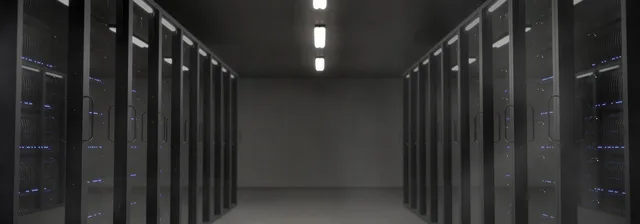
A technician adjusts a cooling unit inside a massive, humming server hall in a suburban industrial park. The blue light from the status indicators reflects off the metal floor as the machine processes vast amounts of information. This scene represents the physical reality of the digital shift.
The EU manages EU AI data center jobs by monitoring broader economic indicators to ensure that the influx of automated infrastructure does not lead to widespread job loss. According to World Bank data, the European Union recorded an unemployment rate of 5.9% in 2025.
Maintaining this level of stability is a primary concern as the digital economy scales.
The transition also involves managing AI center employment issues by integrating technical training into existing social safety nets. Policymakers are looking at how the physical presence of these centers affects local economies.
This includes addressing tech job disputes EU workers might face regarding contract changes.
- Implement standardized safety protocols. 2. Establish cross-border labor agreements. 3. Monitor workforce shifts through regulatory oversight.
What are the biggest employment issues in AI centers? A group of workers gathers in a brightly lit community center to discuss upcoming changes to their local manufacturing plant. They hold printed leaflets and speak in hushed, urgent tones about the new automated systems arriving next month. The air is thick with anticipation and uncertainty.

The primary AI center employment issues revolve around the displacement of manual roles and the sudden demand for specialized technical expertise. As data centers become more autonomous, the nature of "work" changes from physical maintenance to remote software monitoring.
This shift can leave traditional laborers without immediate pathways to new roles.
The EU seeks to mitigate these AI facility hiring problems by promoting lifelong learning initiatives. By focusing on retraining, the goal is to prevent a permanent divide between the digital workforce and those in traditional sectors.
This strategy aims to ensure that the automation of data management does not result in structural unemployment.
In this sequence, the second step is the longest.
According to World Bank, the 2025 record includes 5.9%.
Can policy solve EU data center labor conflicts? A legislator sits at a heavy oak desk in Brussels, reviewing a thick stack of labor reports and digital transition proposals. The window shows a gray, rainy afternoon, but the room is quiet, save for the scratching of a pen on paper. The weight of the decisions feels heavy in the silence.
Resolving EU data center labor conflict requires a multi-faceted approach involving both social dialogue and strict regulatory standards. Unions and tech corporations must reach agreements on how AI-driven productivity gains are shared with the workforce.
Without clear guidelines, the tension between rapid innovation and worker rights could escalate.
The EU looks at Green policy AI center hiring as a way to merge environmental goals with labor needs. By requiring data centers to meet strict sustainability standards, new roles are created in green energy management and efficient hardware recycling.
This creates a synergy between the digital and ecological transitions.
What is the impact of EU regulations on data center work?
An auditor walks through a corridor of blinking servers, checking a tablet for compliance with new digital labor standards. The rhythmic sound of cooling fans provides a constant backdrop to the inspection.
Every connection must be verified to ensure the facility meets both technical and social mandates.
The impact of EU regulations on data center work is felt in the increased transparency required for algorithmic management. Companies must be able to explain how AI systems influence hiring, firing, and task allocation.
This prevents the "black box" effect where workers are managed by unchallengeable automated processes.
Furthermore, these regulations aim to standardize the working conditions in high-pressure environments. By setting clear rules, the EU hopes to prevent a "race to the bottom" where companies compete by reducing worker protections.
This ensures that the expansion of the AI economy remains socially sustainable.
How can workers prepare for these changes?
A student sits in a library, staring at a screen filled with coding tutorials and data architecture diagrams. The late hour is marked by a single lamp and a half-empty cup of coffee. The effort to learn something entirely new is visible in their focused, tired expression.
To prepare for the evolving landscape, individuals should follow these steps:
- Identify the specific digital competencies required by local data center operators, such as cloud infrastructure management or hardware maintenance. 2. Enroll in accredited vocational training programs that focus on the intersection of AI and physical systems. 3. Engage with professional associations to stay informed about evolving labor rights and technological standards.
I have observed that staying proactive with technical certifications is the most effective way to navigate these shifts. A final check involves verifying that any new skill set aligns with the specific regulatory requirements of the EU labor market.
Is there a limitation to these EU employment strategies?
A computer error message flashes on a screen in a dark control room, signaling a sudden system mismatch. The technician sighs, realizing that even the best-laid plans cannot always account for the speed of technological breakthroughs. The reality of the digital gap remains a constant challenge.
A significant limitation is the speed of technological advancement compared to the slower pace of legislative and educational reform.
This part also covers Healthcare AI data center roles.
How does the EU handle AI-related job changes?
The EU manages these shifts by monitoring economic indicators and addressing the mismatch between legacy roles and new technical requirements through various regulatory and educational frameworks.
The EU's approach to the digital transition is a continuous process of balancing industrial growth with the socio-economic stability of its member states.
While the expansion of AI data centers offers immense economic potential, the management of labor conflicts and skill gaps remains a critical priority for ensuring long-term stability.
Comments 0