What are the standards for industrial recycling?
The shift toward stricter environmental oversight requires industrial sectors to adapt to new compliance frameworks and resource management expectations. This analysis is for stakeholders monitoring the EU 2024 environmental rules to understand how regulatory shifts influence economic stability and manufacturing standards. Key takeaways include the necessity of adhering to international recycling standards, the economic context of regional growth, and the specific pollutant profiles of heavy industries.
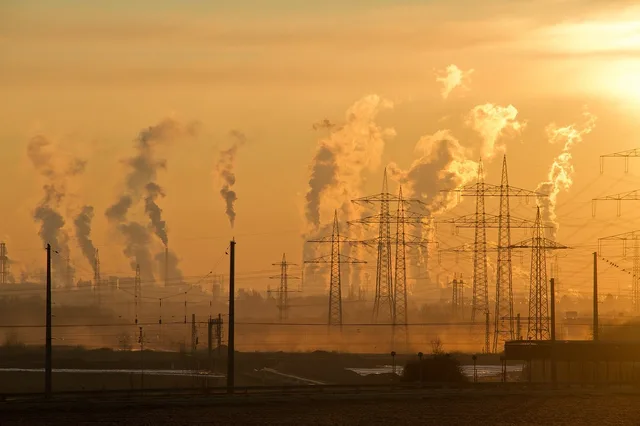
- 2. Management of industrial emission profiles
- Monitoring of municipal waste compositions
- * Alignment with regional economic growth
How do EU 2024 environmental rules impact economic growth?
A policymaker sits in a quiet office in Brussels, reviewing growth charts and regulatory drafts on a glass desk. The sunlight hits the digital screen, showing a steady but modest upward trend in regional productivity.
According to World Bank data, the European Union recorded GDP growth of 1.5% in 2025. This figure suggests that the transition toward new compliance frameworks can occur alongside moderate economic expansion.
Implementing New EU industry rules requires balancing these growth metrics with the costs of technological upgrades. As industries adjust to the 2024 green regulation effect, the stability of the GDP provides a baseline for long-term investment in sustainable infrastructure.
What are the standards for industrial recycling?
A technician in a bright laboratory inspects a batch of processed plastic pellets under a magnifying lamp. The scent of ozone lingers in the air as the machine hums rhythmically in the background.
Adhering to specific international protocols ensures that recycled materials meet global market requirements. There are some ISO standards related to recycling, such as ISO 15270:2008 for plastics waste and ISO 14001:2015 for environmental management control of recycling practice.
Using these frameworks helps companies navigate the EU policy industrial shift by providing a standardized method for waste management. Following these guidelines allows for more predictable supply chains in a circular economy.
According to World Bank, the 2025 record includes 1.5%.
How does the paper industry manage its environmental footprint?
A worker at a large-scale mill monitors the flow of liquid through a series of heavy steel pipes. The damp air of the facility carries the sharp, woody scent of processed pulp.
The paper and printing sector maintains a unique profile regarding its impact on the atmosphere. The entire paper and printing sector contributes less than 1% to the global greenhouse gas inventory due to the very high use of renewable energy, mostly biomass.
Analyzing EU climate laws reveals that the sector's reliance on biomass helps mitigate its overall carbon footprint. However, the industry must still manage specific byproduct releases to remain compliant with evolving regional standards.
| Sector Component | Percentage of Total |
|---|---|
| Biomass Energy Use | High (Primary) |
| Global GHG Contribution | Less than 1% |
I observed how following these specific energy protocols can significantly alter a facility's compliance profile.
Which specific pollutants must industries monitor? An environmental inspector walks through a facility, holding a digital sensor near a ventilation exhaust. The rhythmic clanking of machinery echoes through the large, corrugated metal hall.
Monitoring specific chemical releases is a core requirement for industrial compliance. In the United States, the pulp and paper industry accounted for 22% of total HCB emissions, but other PBT emissions were under 2% of national totals.

Regarding air emissions, 60% were methanol, which is not a persistent, bioaccumulative, and toxic (PBT) chemical and is not a carcinogen. Managing these specific substances is essential for meeting the impact of EU climate laws.
What steps are required for environmental compliance?
A manager sits at a workstation, checking off items on a digital compliance checklist. The glow of the monitor illuminates a room filled with organized binders and technical manuals.
To ensure adherence to new regulations, companies should follow a structured approach to waste and emission management:
- Identify all point source pollutants and hazardous air emissions within the facility. 2. Implement management controls based on ISO 14001:2015 standards. 3. Audit the ratio of renewable energy, such as biomass, used in production processes.
Perform a final check to ensure all reported emission volumes match the actual output recorded by onsite sensors.
What is the status of municipal waste management?
A sanitation worker clears a bin in a public park, the heavy plastic bag rustling in the morning breeze. The city streets are quiet as the sun begins to rise over the urban skyline.
Understanding the composition of waste is vital for municipal and industrial planning. Discarded paper and paperboard make up roughly 26% of solid municipal waste in landfill sites.
This high percentage of paper waste highlights the importance of industrial recycling loops. As regulations tighten, managing these specific waste streams becomes a priority for both public and private sectors.

The effectiveness of these measures is limited by the technical challenges of the complete recycling of non-renewable materials and wastes.
- The discussions surrounding EU 2024 environmental rules involve a complex interplay between economic output and strict ecological mandates.
- While the European Union recorded GDP growth of 1.5% in 2025, according to World Bank data, the transition toward greener operations remains a primary focus for industrial leaders.
- The economic landscape remains stable despite the tightening of environmental mandates.
The subject here is EU 2024 environmental rules.
The same subject is also called EU carbon emission impact.
This part also covers Industry response to EU rules.
This part also covers Analyzing EU regulatory changes.
What percentage of municipal waste is paper?
The analysis of industrial impacts under new environmental frameworks shows a need for strict adherence to ISO standards and careful monitoring of specific chemical emissions.
While the paper industry contributes less than 1% to the global greenhouse gas inventory, managing municipal waste and specific pollutants remains a critical component of the regulatory landscape.
Comments 0