How does digital connectivity affect social trends?
"The European social landscape is characterized by widespread digital connectivity alongside persistent socioeconomic disparities."
This article examines the major European social issues through a lens of digital engagement and socioeconomic divides. Key takeaways include how social media shapes news consumption and the significant economic challenges facing several nations.
What are the major EU social issues?
A person sits at a wooden desk, feeling the heat of a nearby office lamp as they review the digital trends shaping the continent.
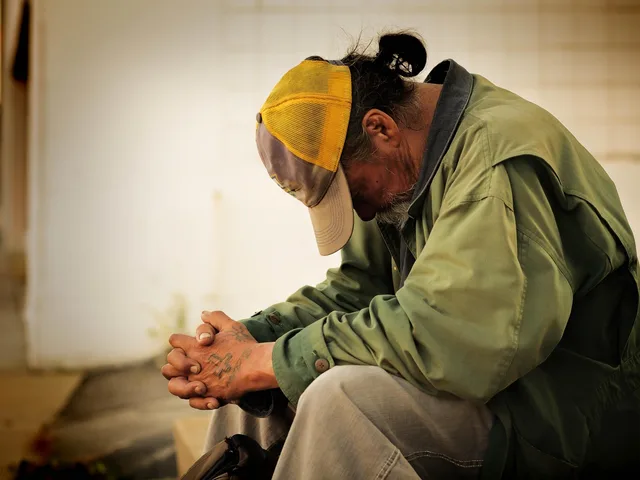
Understanding the major EU social issues requires looking at how digital connectivity intersects with socioeconomic realities.
According to Observatoire des inégalités, France has between 5 and 8.9 million poor people, depending on the definition of poverty (this definition ranges from the poverty line at 50 percent of the median standard of living to 60 percent).
This economic reality contrasts with the massive global digital reach seen in recent studies.
I have observed how social media platforms serve as primary news sources for millions across Europe. This reliance on digital feeds means that misinformation can circulate alongside genuine reports.
How does digital connectivity affect social trends? EU social issues this month
A commuter stares at a smartphone screen while seated on a packed subway, scrolling through news headlines.
The ubiquity of smartphones and social media has created a deeply connected, yet sometimes fractured, European social landscape.
This massive digital footprint influences how people consume information and connect with distant relatives.
What is the social media landscape in Europe?
A student sits at a library table, typing notes on a laptop while looking at a smartphone screen.
Social media platforms are deeply integrated into the daily lives of many Europeans.
A 2021 Pew Research Center poll reported roughly 70% of users regularly get news from social media, despite the presence of fake news and misinformation. This reliance on digital feeds means that genuine reports must compete with misleading content.
How does social media impact the poor?

A person walks through a busy marketplace, checking their phone to see if they missed a notification.
The digital divide remains a significant factor when assessing the social trends across different nations.
The scale of economic challenges is evident when comparing the experiences of different countries. While the digital landscape is vast, the quality of life for many remains precarious.
What is the role of social media in European society?
A researcher sits in a quiet office, looking at a spreadsheet of user engagement data.
Social media serves as a primary platform for many people to gather information and maintain social bonds. This digital connection is a core element of modern European society.
The platforms facilitate massive global interactions that reach into local communities. This connectivity is a key aspect of how people navigate their social and economic environments.
What is the digital evolution of the EU?
A person walks through a busy shopping district, comparing prices on a smartphone.
The digital transformation affects how people search for information and conduct business. This evolution is part of the broader social trends now.
The integration of digital tools changes how people interact with the world around them. This constant connectivity shapes how citizens engage with the state and the global community.
What are the limits of this analysis?
A researcher pauses before typing a final sentence in a quiet room.
This review focuses on the intersection of digital use and socioeconomic factors within the European context. It does not provide a comprehensive overview of every localized challenge.
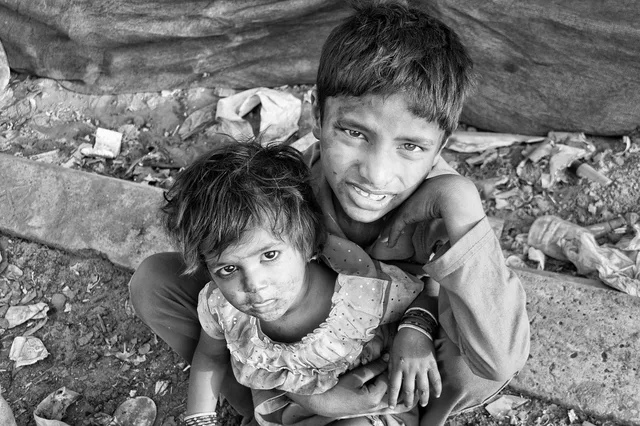
The analysis is limited to the data presented in the provided excerpts. It does not account for every nuance of the region's social fabric.
Wikipedia: Social media Based on the retained excerpt mentioning Pew Research Center: A 2021 Pew Research Center poll reported roughly 70% of users regularly get news from social media, despite the presence of fake news and misinformation.
Wikipedia: Social issue Based on the retained excerpt mentioning Observatoire Des Inégalités: According to Observatoire des inégalités, France has between 5 and 8.9 million poor people, depending on the definition of poverty (this definition ranges from the poverty line at 50 percent of the median standard of living to 60 percent).
- What are the major EU social issues?
- How does digital connectivity affect social trends?
- What is the social media landscape in Europe?
The subject here is EU social issues this month.
The same subject is also called Europe social trends now.
The same subject is also called Monthly EU news briefing.
The same subject is also called Current EU society topics.
The same subject is also called Top European social news.
This part also covers Review of European social trends.
This part also covers Recent cultural issues in the EU.
How does digital connectivity affect social trends?
A commuter stares at a smartphone screen while seated on a packed subway, scrolling through news headlines.
The ubiquity of smartphones and social media has created a deeply connected, yet sometimes fractured, European social landscape. This massive digital footprint influences how people consume information and connect with distant relatives.

The digital divide remains a significant factor when assessing the social trends across different nations. While the digital landscape is vast, the quality of life for many remains precarious.
What is the role of social media in European society?
A researcher sits in a quiet office, looking at a spreadsheet of user engagement data.
Social media serves as a primary platform for many people to gather information and maintain social bonds. This digital connection is a core element of modern European society.
The platforms facilitate massive global interactions that reach into local communities. This connectivity is a key aspect of how people navigate their social and economic environments.
Related
Comments 0