CBAM impact on exporters: How to manage 180 products
A manufacturer stares at a shipping manifest, realizing the carbon footprint of a single gearbox might soon dictate its market viability in Europe.
The expansion of the EU Carbon Border Adjustment Mechanism (CBAM) will likely increase the complexity of trade for manufacturers producing high-content steel or aluminum goods.
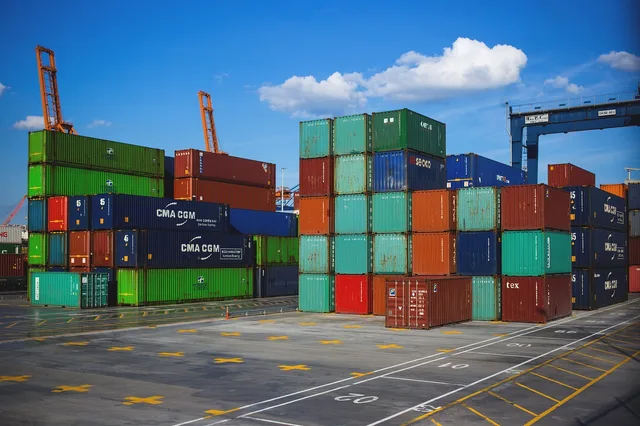
This shift requires exporters to prepare for rigorous data reporting on energy-intensive production processes to maintain market access. Key takeaways include the expansion of covered products, the transition from estimates to real data, and the necessity of precise emission tracking.
What is the EU CBAM regulation expansion?
A logistics manager reviews new shipping routes as the scope of carbon taxation broadens. The EU CBAM regulation expansion involves the potential inclusion of more sectors to ensure carbon costs are applied fairly across borders.
In December 2025, the European Commission proposed extending the CBAM from 2028 to around 180 downstream products with a high steel or aluminium content, such as car doors, gearboxes and household appliances, according to Wikipedia.
This means the EU CBAM impact on exporters will move beyond raw materials into finished consumer goods. Businesses must evaluate how these changes affect their specific product lines to avoid sudden cost spikes.
However, the scope of the regulation remains limited for goods that fall outside the specific categories of high-carbon imports.
How will it affect exporters? EU CBAM impact on exporters
Deep in the office during the night, the exporter rubs his tired eyes while feeling the sudden chill of the cbam shift.
An accountant calculates the potential tax burden on a quarterly spreadsheet. The EU carbon tax burden will increase as the regulation moves from monitoring to active financial implications for various industries.
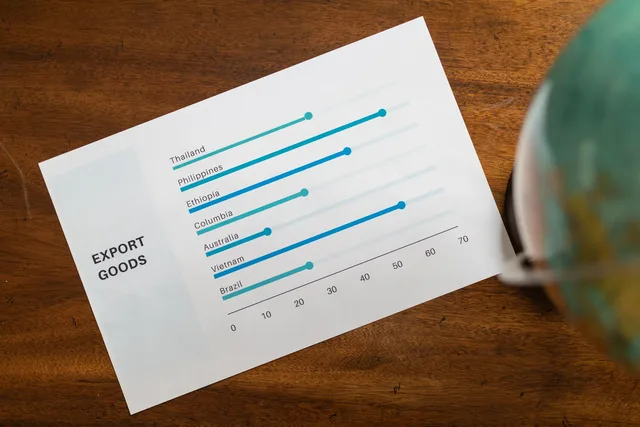
Since July 2024, the EU has demanded "real data" on how energy-intensive imported goods were produced. Currently, estimated standard values are only allowed for some 20% of the emissions. This shift makes precise measurement vital for competitiveness.
The EU CBAM impact on exporters will depend heavily on the accuracy of their internal carbon accounting systems.
- Identify the carbon intensity of specific products.
- Collect verified emissions data from supply chain partners.
- Report the calculated carbon footprint to the relevant authorities.
What are the compliance strategies?
Late at night in the office, the officer rubs her eyes while organizing files to master the cbam strategies.
A compliance officer organizes a folder of energy certificates for an upcoming audit. Mitigating carbon costs requires a proactive approach to supply chain transparency and data management.
To manage these shifts, companies should follow these steps: 1. Audit all energy consumption metrics for high-emissions production stages. 2. Implement real-time monitoring for direct and indirect emissions. 3. Verify data accuracy to ensure it meets the EU's "real data" requirements.
I personally observed how rigorous documentation becomes a competitive advantage during these transition periods. It is important to note that these compliance strategies may vary depending on the specific industrial sector.
I find that the second step in this process is the most time-consuming.
How do global trade regulations compare?
A trader compares shipping costs between different international ports. The landscape of international trade is shifting as green trade regulations become standard components of market access.
| Category | Current Status | Projected Expansion |
|---|---|---|
| Product Scope | Primary Raw Materials | ~180 Downstream Products |
| Data Requirement | Estimated Values Allowed | "Real Data" Mandatory |
The implementation of these rules aims to align trade with the goal of limiting the global temperature increase to 1.5 °C.
The effectiveness of these mechanisms varies depending on how different jurisdictions define carbon pricing.
Is the regulation legally sound?
A lawyer reads through international trade treaties in a quiet office. The legality of the mechanism is currently a subject of discussion among experts.
This ensures that the carbon tax does not act as an illegal barrier to trade.
The legal certainty of the mandate may be challenged if it conflicts with existing international trade agreements.
What are the economic implications for exporters?
An economist analyzes a graph showing the rising cost of industrial production. The economic landscape for exporters is changing as carbon costs are integrated into the price of goods.
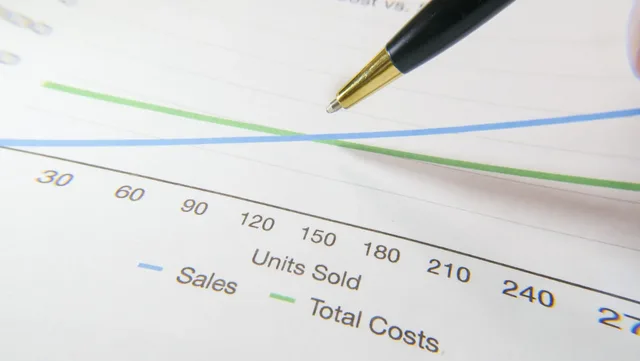
According to the ECOS report, the real growth rate of goods exports (seasonally adjusted, quarter-on-quarter) stood at 2.4% as of 2026Q3.
In the context of broader trade, the real growth rate of exports was 2.4% for the third quarter of 2026.
These indicators reflect the complex environment in which companies must navigate the increasing cost of carbon-intensive production.
The financial impact is minimized for companies that have already implemented low-carbon production technologies.
The same subject is also called Export industry changes.
This part also covers CBAM compliance strategies.
This part also covers Global trade impact.
Related
- How much renewable energy is actually being used?
- Digital Euro review impact: Why maintain level playing field
Which sectors face the most significant changes?
Downstream products with high steel or aluminum content face the most significant changes. This group includes items such as car doors, gearboxes, and household appliances. The manufacturer must account for these specific categories as the scope expands from raw materials to finished consumer goods.
How can companies prepare for the transition?
Companies can prepare by transitioning from using estimated values to using real data. This process involves auditing energy consumption metrics and implementing real-time monitoring for emissions.
Such steps ensure compliance with the EU's requirement for precise measurement of energy-intensive production processes.
A Caution for Global Exporters
Exporters must be cautious about sudden cost spikes as the regulation moves toward active financial implications. Precise carbon accounting is necessary because the current allowance for estimated values is limited to only 20% of emissions.
Comments 0