How is the EU addressing the industry carbon burden EU?
"The target amount and date shall be aligned with the IPCC 1.5 °C or 2 °C pathways."
This guide outlines the current regulatory landscape, the potential for carbon removal certification, and the economic context of these shifts. 1. 2. Carbon contracts for difference are being considered as a support mechanism. 3. The EU recorded a GDP growth of 1.5% in 2025, according to World Bank data. * Carbon dioxide removal (CDR) was not covered by the EU Allowance as of 2021.
How is the EU addressing the industry carbon burden EU?
At sunset in Brussels, the official rubs her tired eyes while addressing the heavy documents on her mahogany desk.
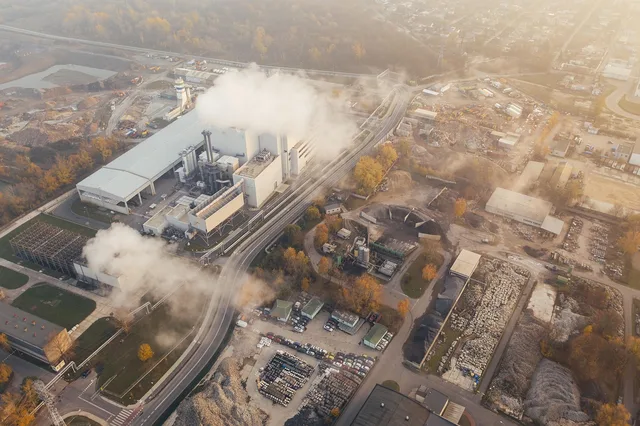
The policy aims to mitigate the industry carbon burden EU by shifting from pure emission penalties to supportive removal technologies.
They are also considering the implementation of carbon contracts for difference to provide financial predictability.
Although CDR was not covered by the EU Allowance as of 2021, these new steps aim to integrate permanent removal into the broader climate strategy. This approach seeks to balance strict emission limits with practical industrial survival.
However, the effectiveness of these measures may be limited if carbon leakage occurs in non-EU markets.
How does carbon removal fit into EU emission policy? EU carbon allowance relief
At dawn in the quiet laboratory, a scientist rubs her stinging eyes while addressing the complex data on the glowing screen. A technician monitors a digital readout at a carbon capture facility, watching the sequestration levels. The regulation of EU policy on emissions is evolving to include more than just reduction.
The focus is shifting toward active carbon dioxide removal (CDR) to meet long-term climate targets. While previous frameworks focused heavily on limiting output, the current trajectory considers how captured carbon can be certified and utilized.
This transition aims to create a reliable market for removal services, which could eventually stabilize the cost of compliance for major manufacturers.
However, the impact of these technologies remains limited if they cannot be scaled rapidly enough to meet targets.
According to World Bank, the 2025 record includes 1.5%.
Can cutting industrial carbon load boost the economy? An economist traces a line on a chart representing the European Union's economic trajectory. Discussions regarding reducing industrial carbon load often intersect with broader macroeconomic stability.
The economic environment remains a key factor in how these environmental policies are rolled out. According to World Bank data, the European Union recorded GDP growth of 1.5% in 2025.
Maintaining this growth while implementing decarbonization requires careful calibration of carbon costs to ensure that industrial sectors remain competitive during the transition.
However, the benefits to economic growth may be limited if the initial transition costs outweigh long-term savings.
What are the implications of carbon rights easing EU?
A factory manager stares at a spreadsheet of projected emission costs for the next fiscal year. The concept of carbon rights easing EU is tied to the development of new certification standards.

By establishing clear rules for carbon removal, the EU hopes to lower the uncertainty that currently plagues industrial planning. If companies can rely on certified removals and predictable contracts, the sudden spikes in allowance prices may be mitigated.
This regulatory clarity is essential for long-term capital investments in green technology.
However, the advantages of easing these rights are limited if they lead to unintended environmental loopholes.
How do sectors manage the EU industrial emissions policy debate?
A group of stakeholders meets in a conference hall to discuss the nuances of decarbonization. Navigating the EU industrial emissions policy debate requires understanding the different pathways available to various sectors.
The debate often centers on which technologies are ready for large-scale deployment and which require more state support. For example, while some sectors look toward carbon capture, others are exploring alternative fuels to meet mobility needs.
The goal is to create a cohesive policy that does not inadvertently drive industry to regions with looser regulations.
However, the influence of these management strategies is limited if regulatory frameworks change unexpectedly.
What is the current status of decarbonization pathways?
A researcher examines a report on the effectiveness of various fuel types. The effectiveness of different decarbonization pathways is a central theme in current energy security discussions.
According to a study published by the Energy Security Centre of Excellence in 2023, e-fuels offer one of the most promising decarbonization pathways for military mobility across the land, sea and air domains.
Different domains require specialized solutions to reach net-zero goals. For instance, a 2023 study published by the NATO Energy Security Centre of Excellence concluded that e-fuels offer one of the most promising decarbonization pathways for military mobility across the land, sea, and air domains.
This highlights that a "one size fits all" approach to carbon management is likely insufficient for a complex economy.
| Feature | Current Status | Potential Future State |
|---|---|---|
| CDR Coverage | Not covered by EU Allowance as of 2021 | Integrated via certification |
| Financial Support | Standard emission allowances | Carbon contracts for difference |
I observed how these shifting frameworks change the way industrial leaders plan their five-year budgets. To implement these changes, industries should follow these steps:
- Assess current carbon dioxide removal (CDR) potential within existing operations. 2. Monitor the European Commission's progress on carbon removal certification standards. 3. Evaluate the feasibility of carbon contracts for difference for long-term cost hedging.
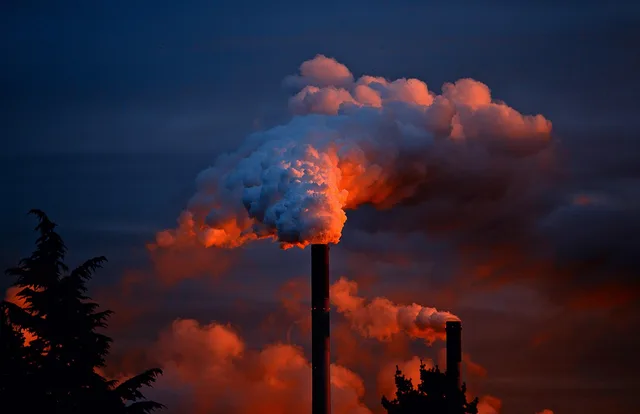
Finally, verify that all planned carbon management plans align with the established IPCC 1.5 °C or 2 °C pathways.
However, the success of these pathways is limited if technological breakthroughs do not materialize as expected.
- The European Union is currently exploring policy measures to ease the industry carbon burden EU through new certification frameworks and financial mechanisms.
- These discussions focus on integrating carbon removal technologies and providing stable contracts to help industrial sectors manage emissions costs.
- An official sits at a mahogany desk in Brussels, reviewing drafts of new environmental frameworks.
The subject here is EU carbon allowance relief.
This part also covers Review of carbon regulation impact.
This part also covers Sectoral relief for carbon costs.
Is carbon removal currently part of the EU Allowance?
Although CDR is not covered by the EU Allowance as of 2021, the European Commission is preparing for carbon removal certification and considering carbon contracts for difference.
What was the EU's economic performance recently?
The transition toward easing the industrial carbon burden in the EU depends heavily on the successful rollout of carbon removal certifications and the stabilization of financial contracts for industry players.
Comments 0